Şanlıurfa region · Southeastern Türkiye
An early Taş Tepeler site holding some of the region's oldest ground — round bedrock-cut houses, food-working installations, and deposits of burnt animal heads.
The evidence
Çakmaktepe in depth
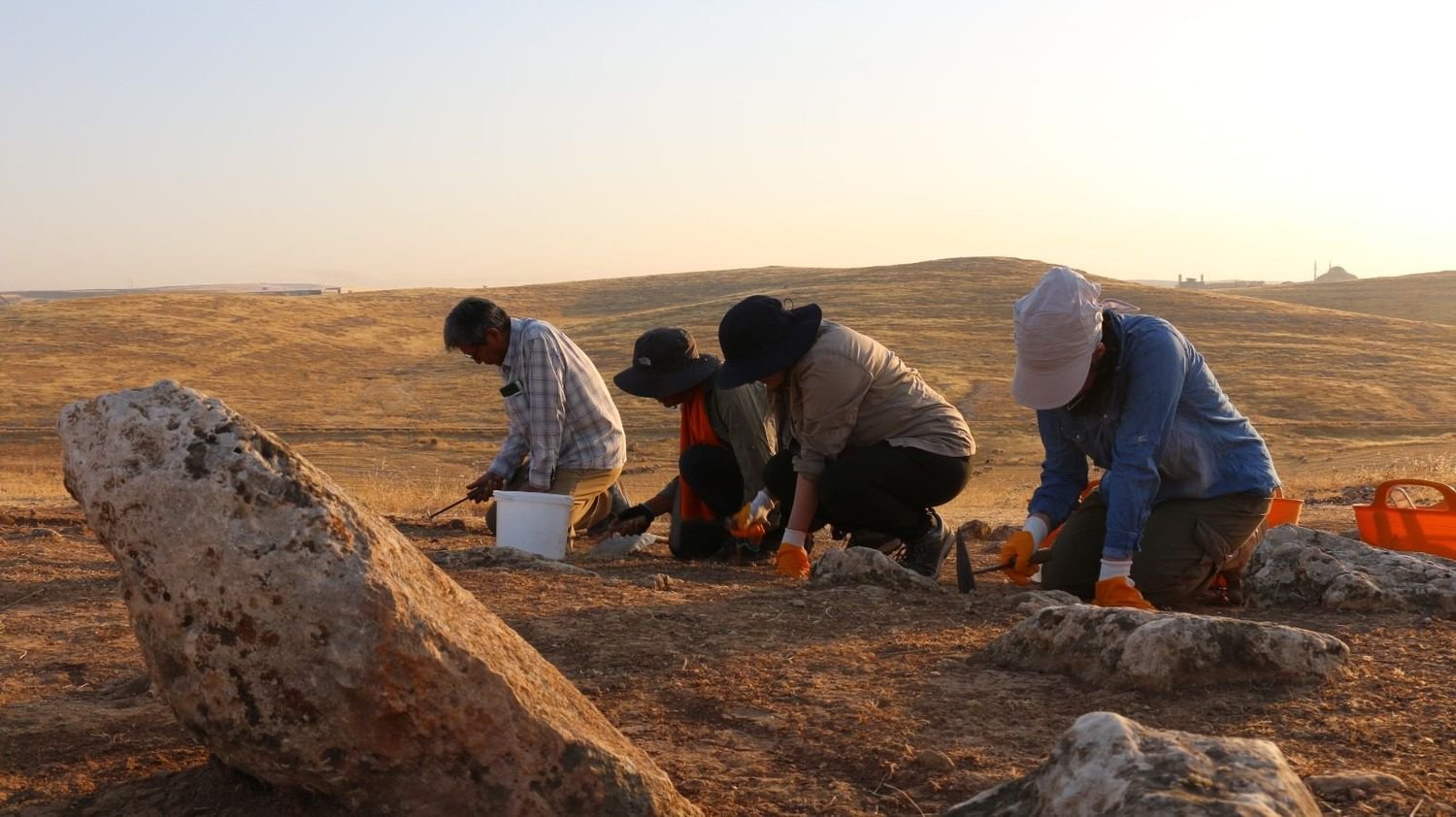
Çakmaktepe, in the Eyyübiye district of Şanlıurfa, has been excavated since 2021 under Assoc. Prof. Fatma Şahin, and is often described as one of the oldest places in the Taş Tepeler landscape — possibly older than Göbekli Tepe. That standing rests, for now, on the style of its chipped-stone tools, which point to activity as early as around 10,000 BC; firm radiocarbon dates are still awaited, so the 'oldest' claim is best read as promising rather than settled.
Where Göbekli Tepe is the spectacular climax, Çakmaktepe seems to catch the same tradition at an earlier, humbler stage.
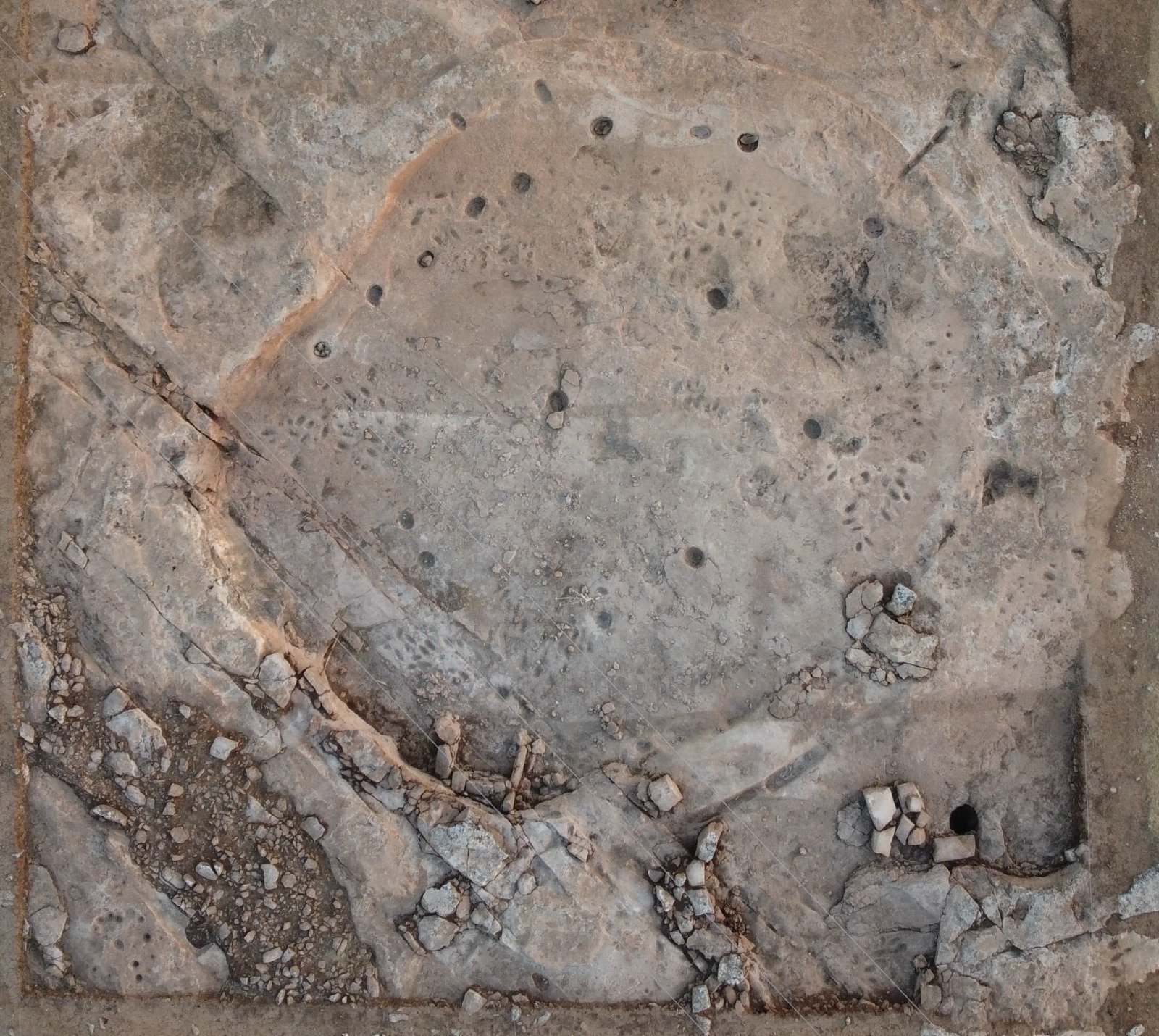
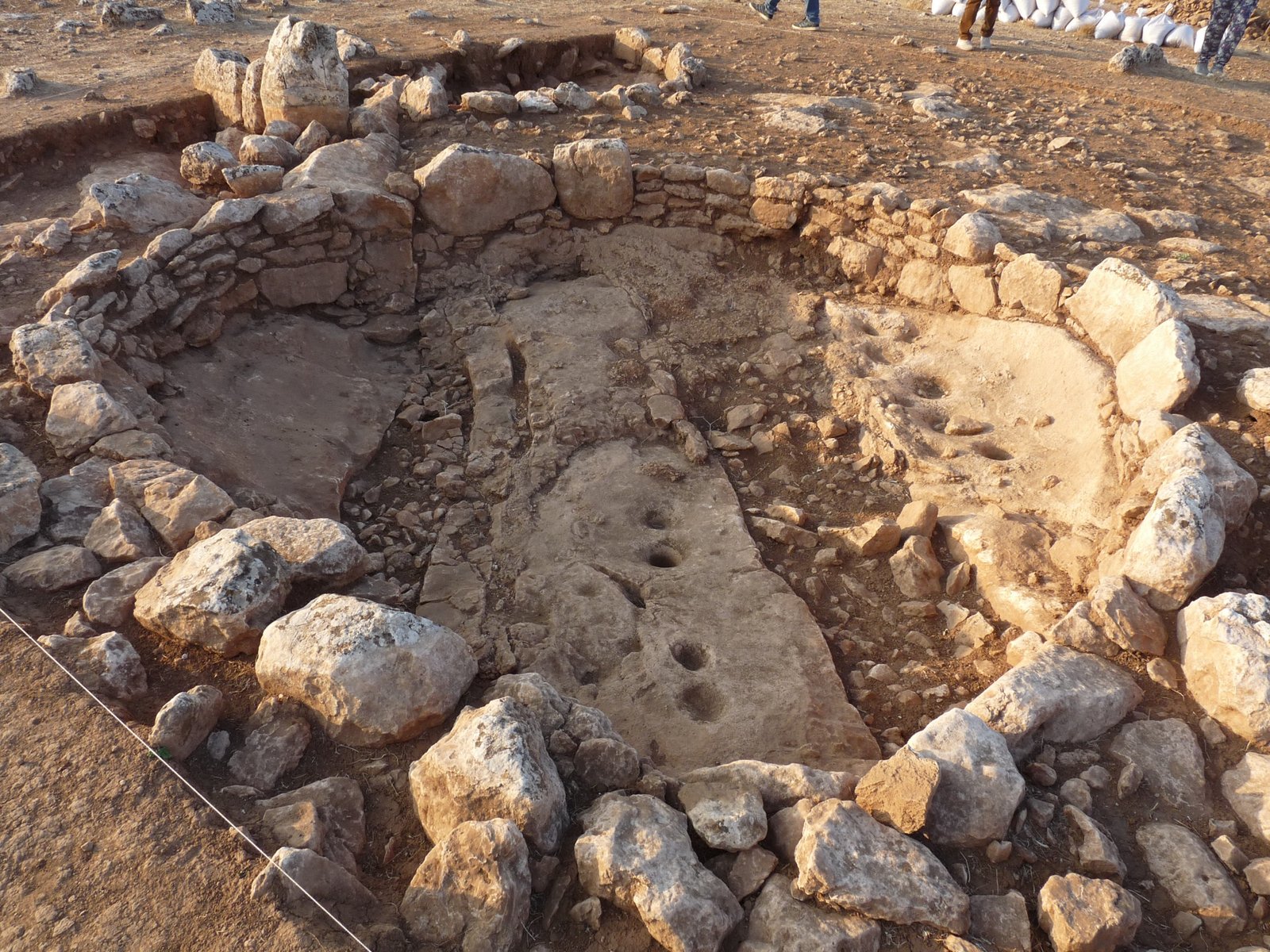
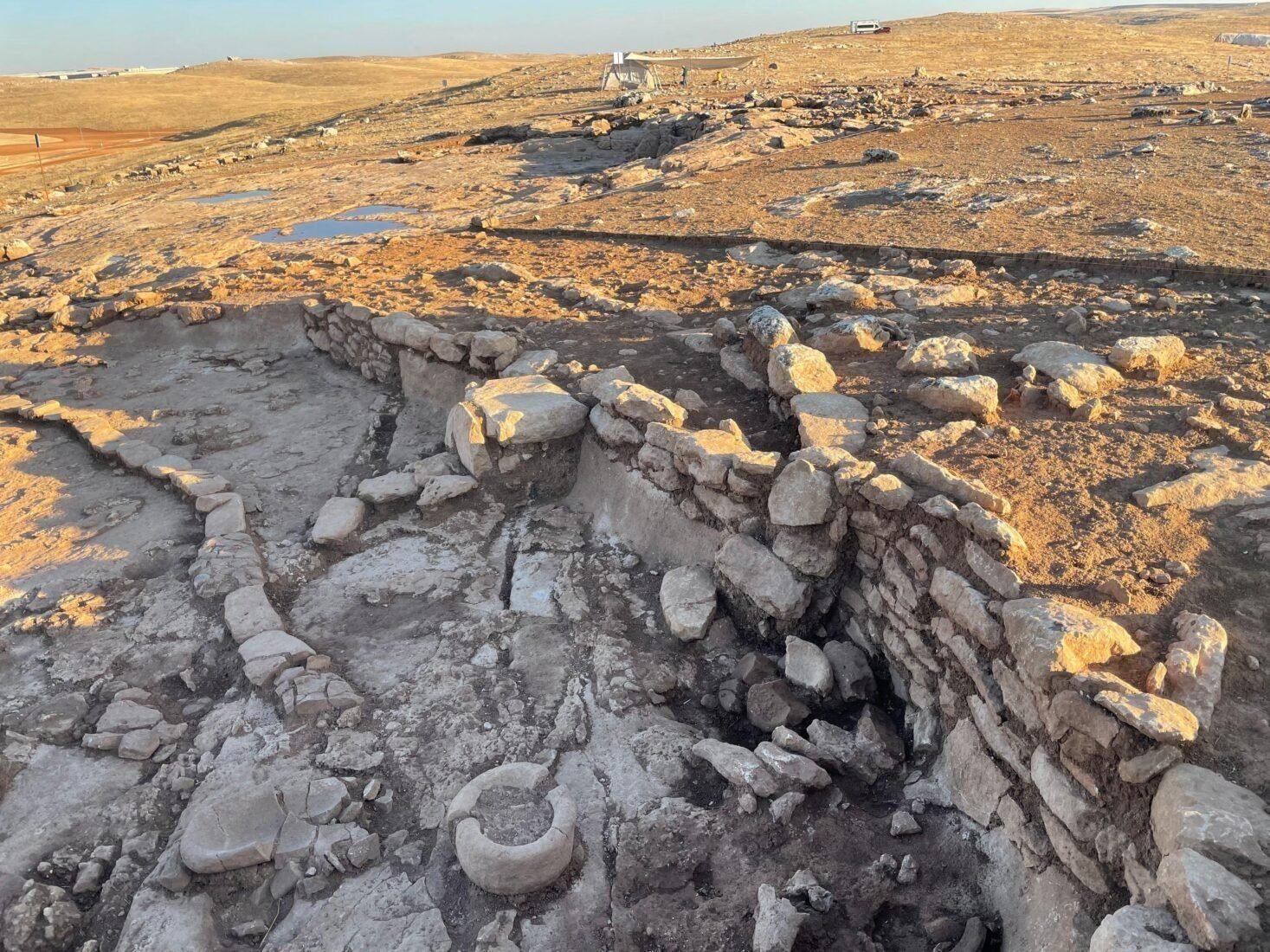
The architecture fits that early horizon: round, semi-subterranean houses carved into the bedrock. By the 2025 season these numbered around fifty — and strikingly, no two are built to the same plan, hinting at varied uses and a socially diverse community. One large communal building, roughly sixteen metres across, was carefully filled in and buried after it went out of use — the same deliberate act of closure later seen at Göbekli Tepe. The everyday side is here too, in grinding stones and mortars for processing wild plant food, some cut directly into the bedrock floors.
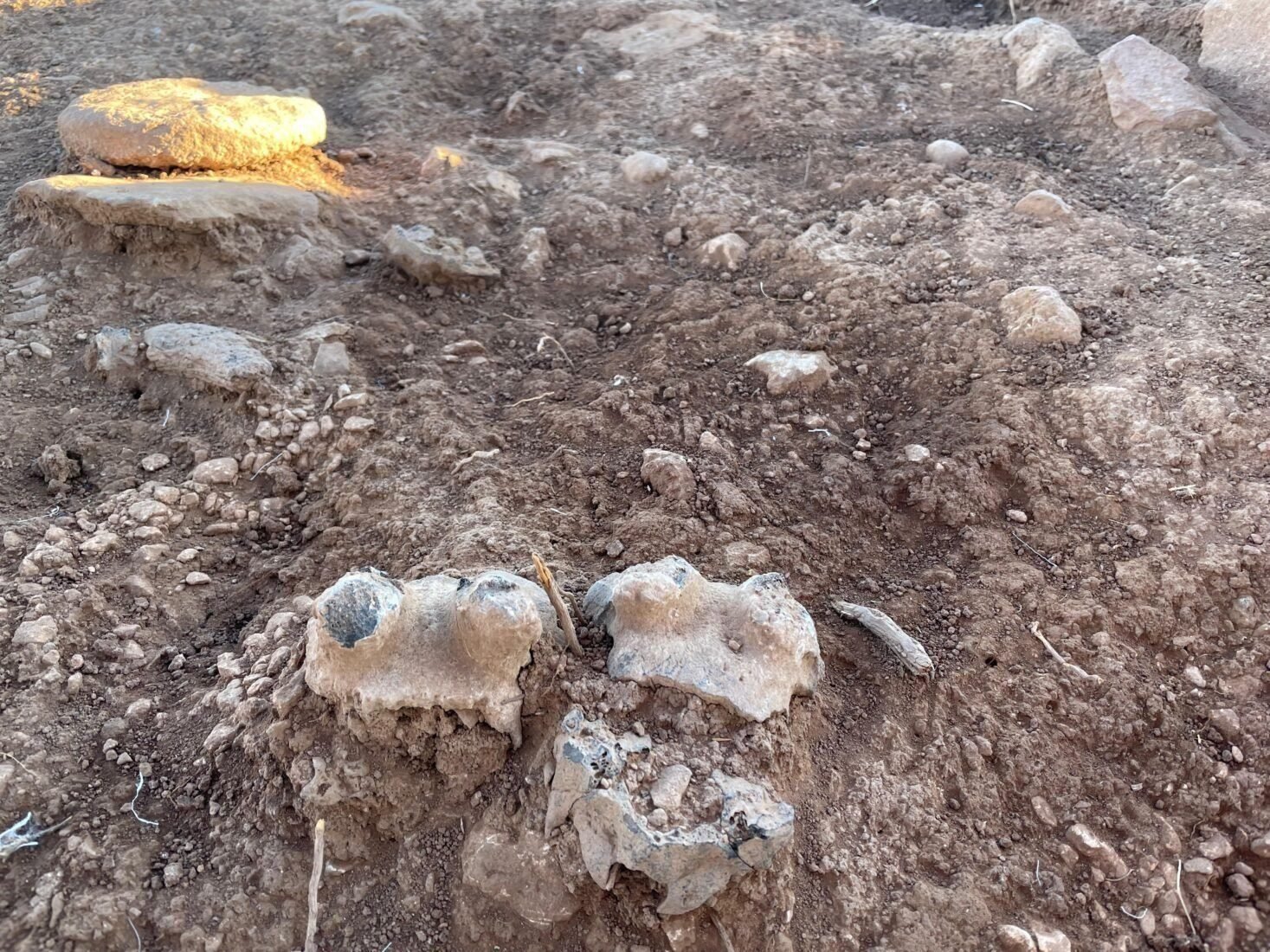
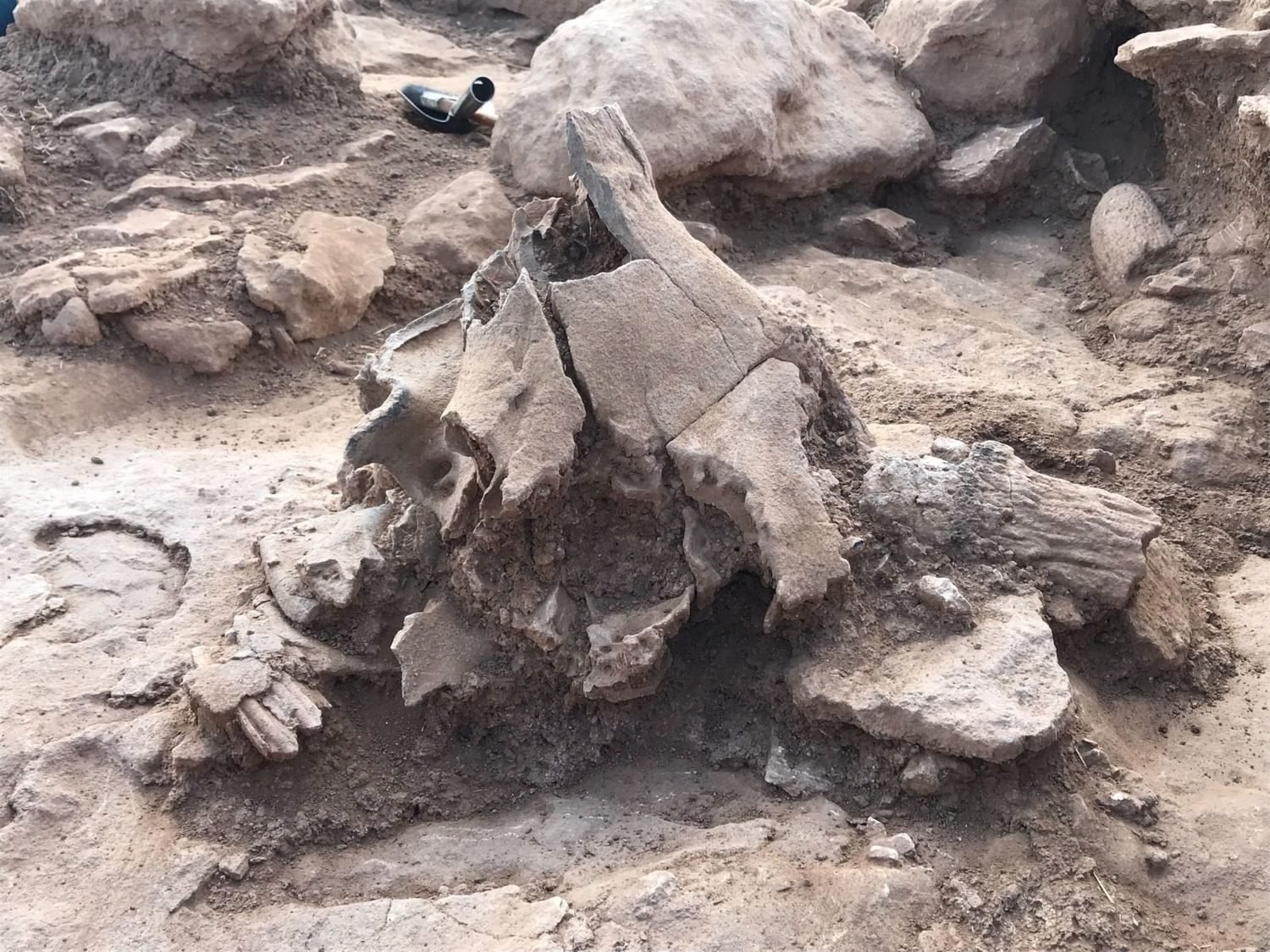
The most vivid discovery is ritual. In one communal structure, nearly half the floor was packed with gazelle skulls — at least thirty so far — each burned before being set in place. Earlier seasons had turned up the skulls of wild cattle, sheep and horses along the walls, but nothing on this scale, and nothing quite like it is known elsewhere in the region.
Researchers tie it to the importance of the gazelle in both survival and belief, an idea supported by earlier carvings of hunting-trap scenes. Building the heads of hunted animals into a house is deliberate symbolism, staged in architecture at a startlingly early date.
The burnt floor did not come out of nowhere. From its earlier seasons Çakmaktepe has produced the skulls of aurochs (wild cattle), sheep and horses set along the walls of its buildings — a steady habit of keeping the heads of hunted animals inside domestic and communal space.
Work by Fatma Şahin and Michele Massa places this in a wider story of mass hunting at the very dawn of settled life in south-east Türkiye: communities that were building and gathering in one place, yet still drawing much of their food and much of their symbolism from the hunt.
Çakmaktepe also shows the T-pillar in the making: its standing stones are plain uprights, not yet T-shaped — read as the precursors of the carved pillars that later defined Göbekli Tepe and Karahan Tepe. Set against the famous sites, it seems to show an earlier, simpler stage of the same symbolic world — instead of animals carved onto pillars, real animal skulls used directly, perhaps once hung on the walls. It fits the argument that monumental, symbol-rich building began among communities that were still largely hunter-gatherers, before farming.
Much of this comes from field reporting ahead of full publication, and the crucial radiocarbon sequence is still pending. The precise dating, the phasing of the buildings, and the exact position of Çakmaktepe relative to Göbekli Tepe's enclosures are all still being worked out as excavation continues — but few sites are doing more to push the region's story back before its most famous monument.
Inside the site
The full archive
Everything we've documented here — the buildings, the carved finds, and the questions people ask — grouped so you can jump straight to what interests you.
The wider world
Visit
Small-group and private tours across the Taş Tepeler landscape, led by people who know the ground.
Full bibliography: the Taş Tepeler reference library →
Last reviewed 7 October 2026. Something wrong?