Şanlıurfa · Southeastern Türkiye
Seven thousand years older than the pyramids — monuments raised by hunter-gatherers, then deliberately buried.
What it is
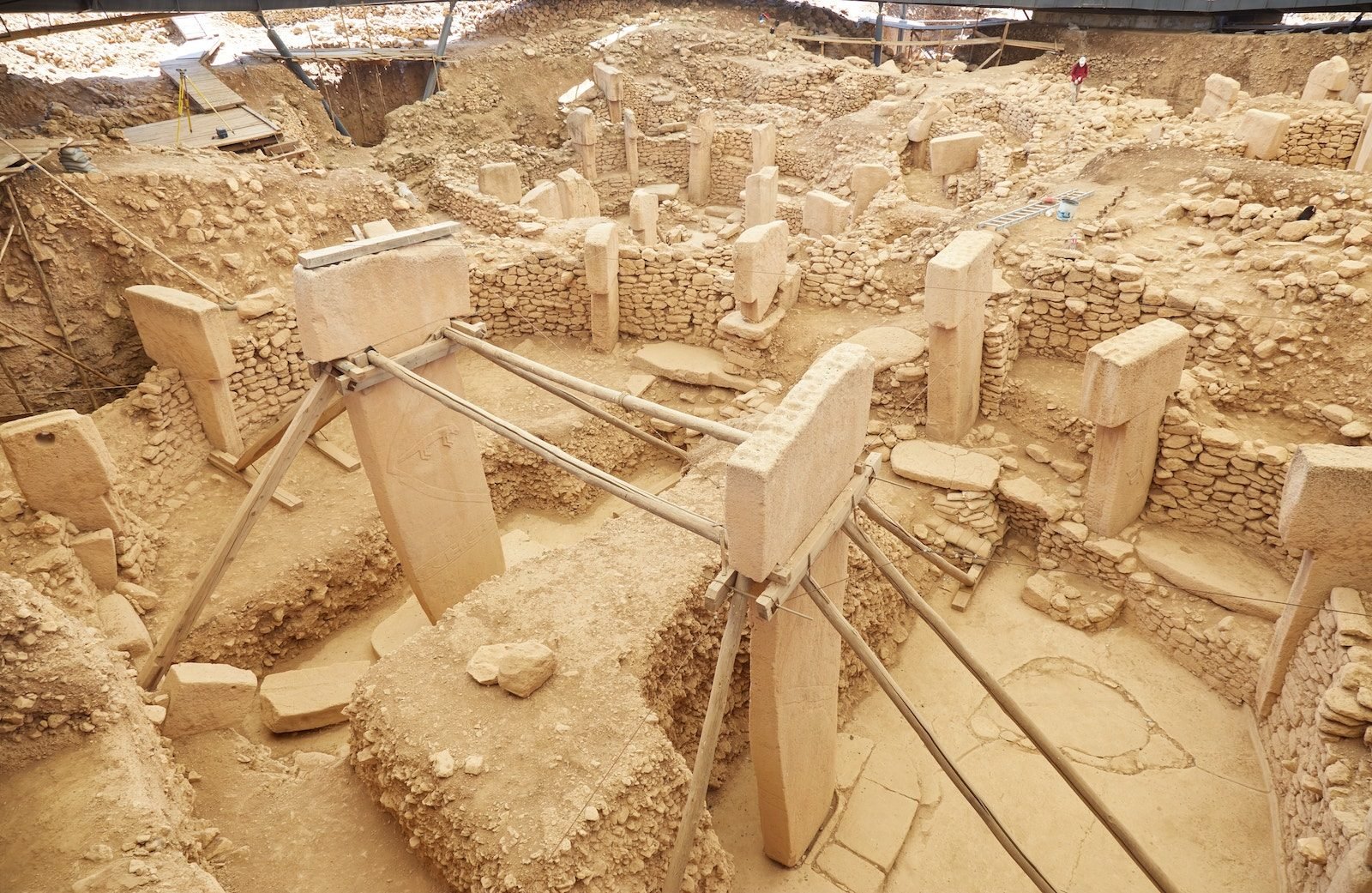
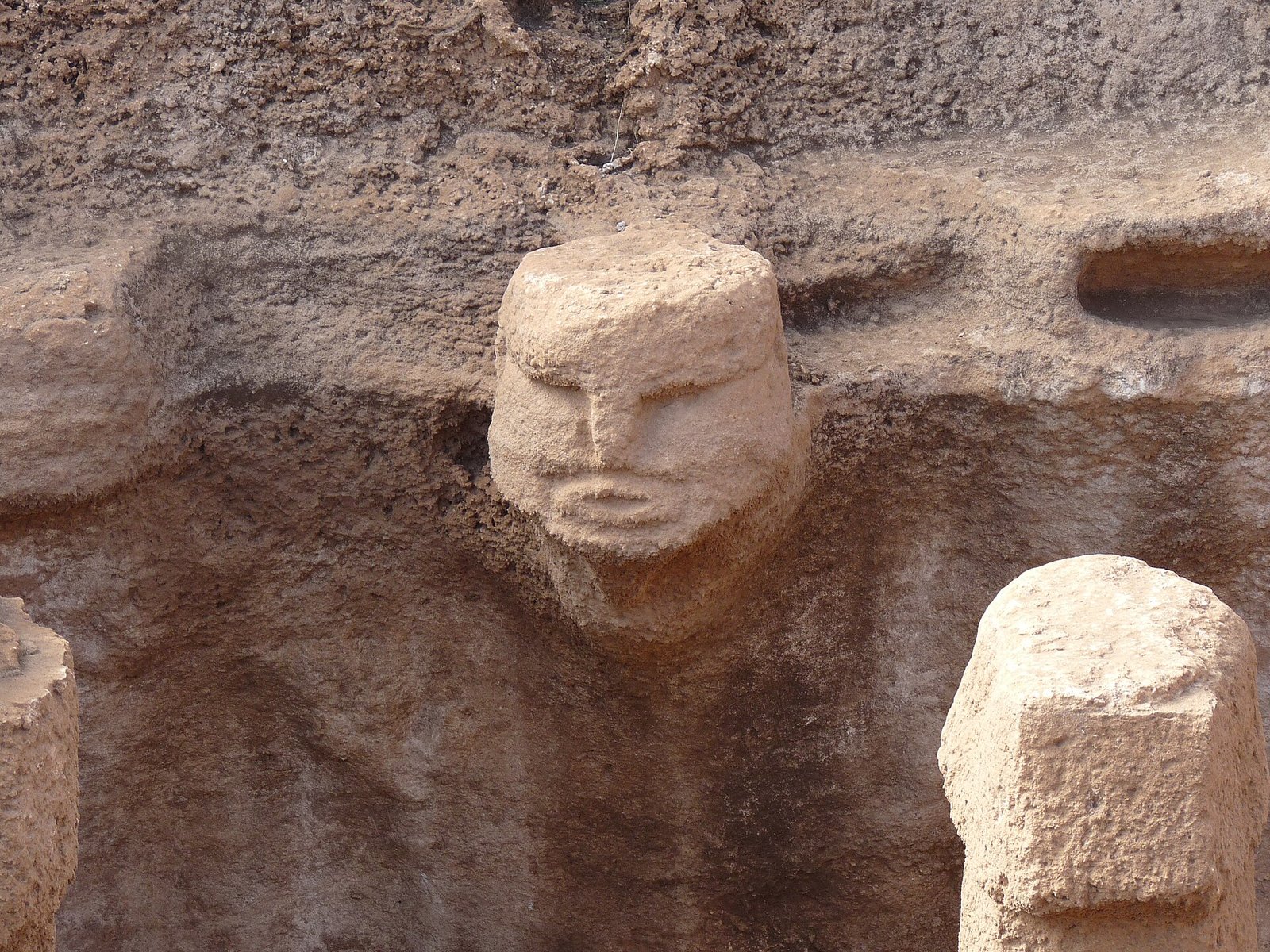
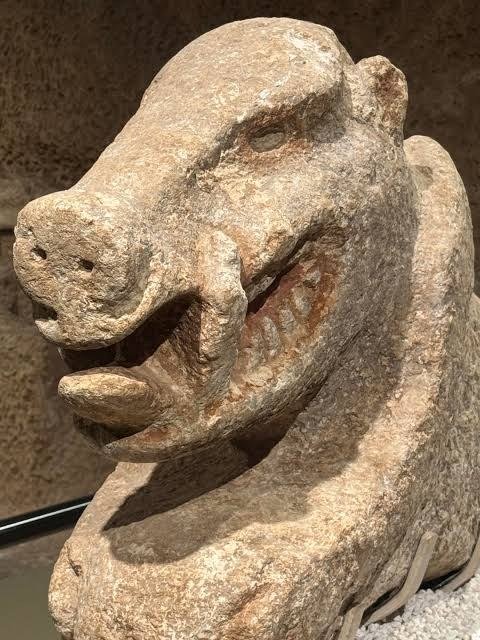
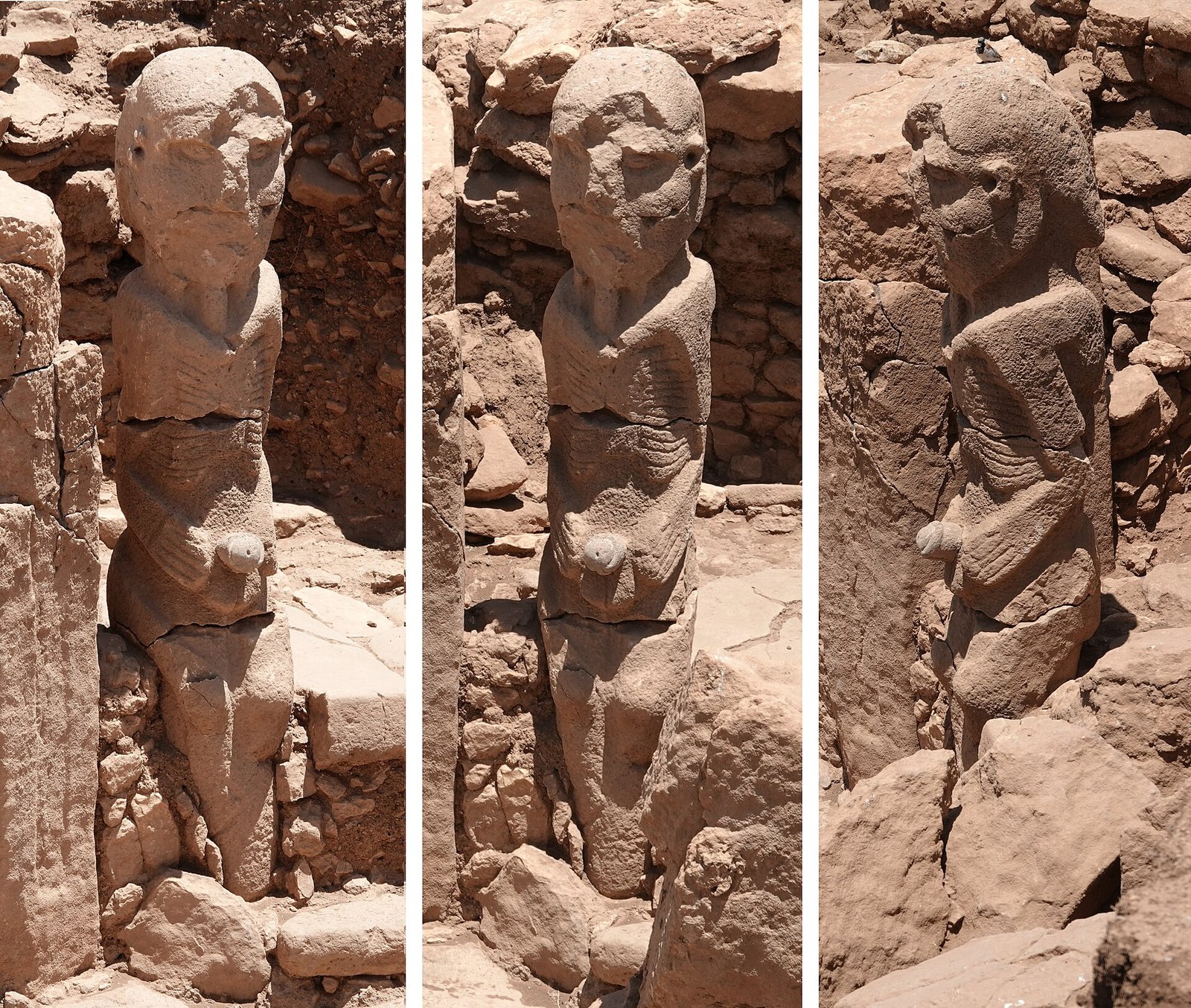
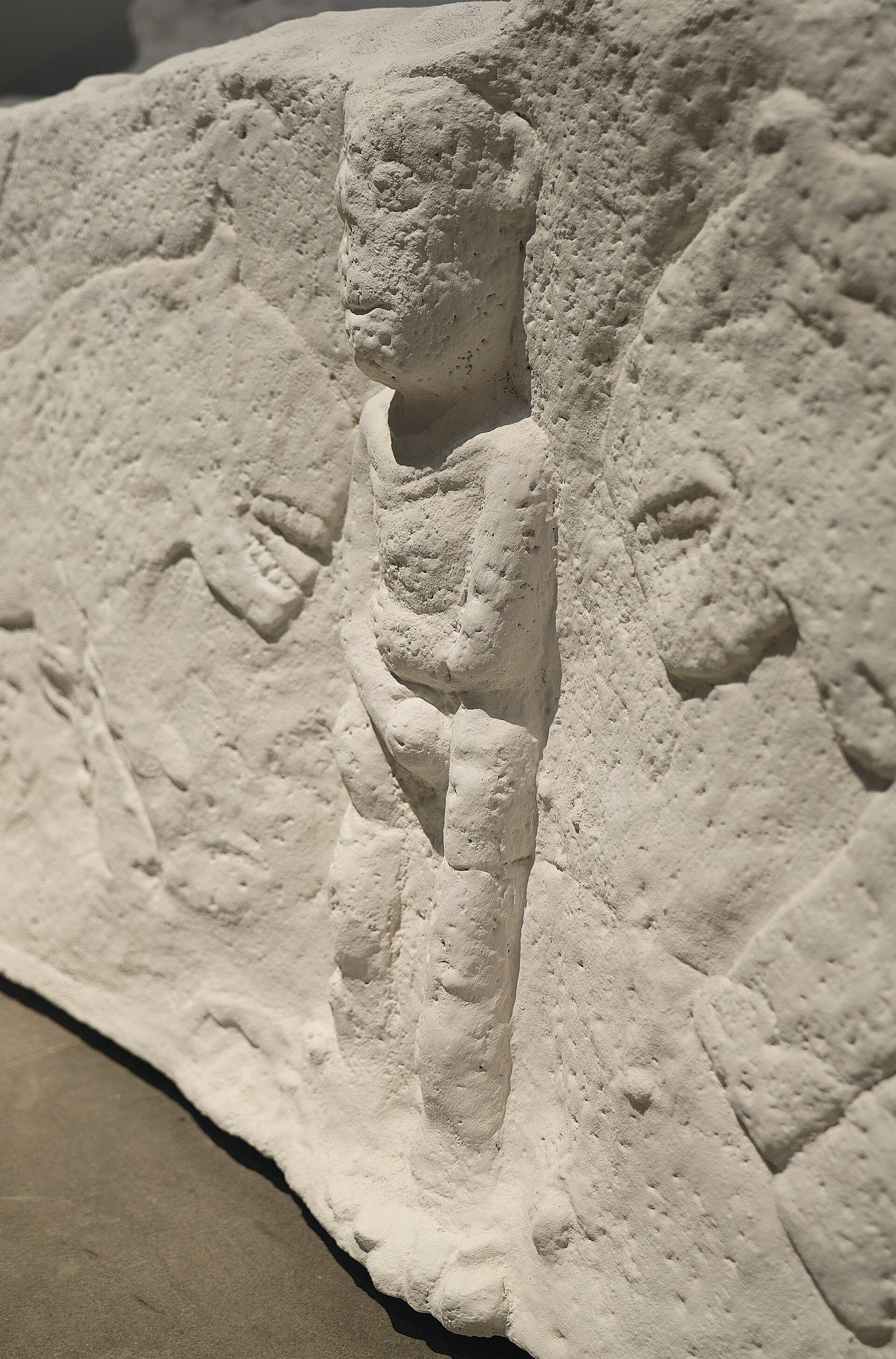
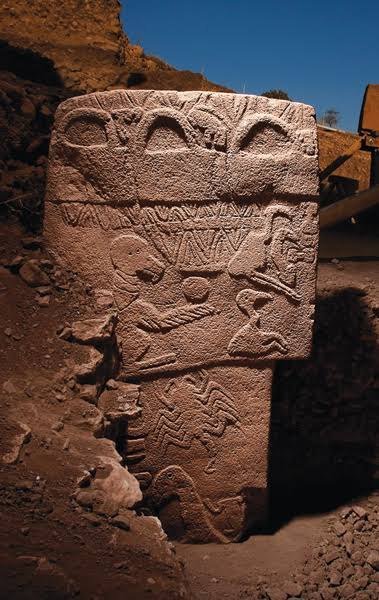
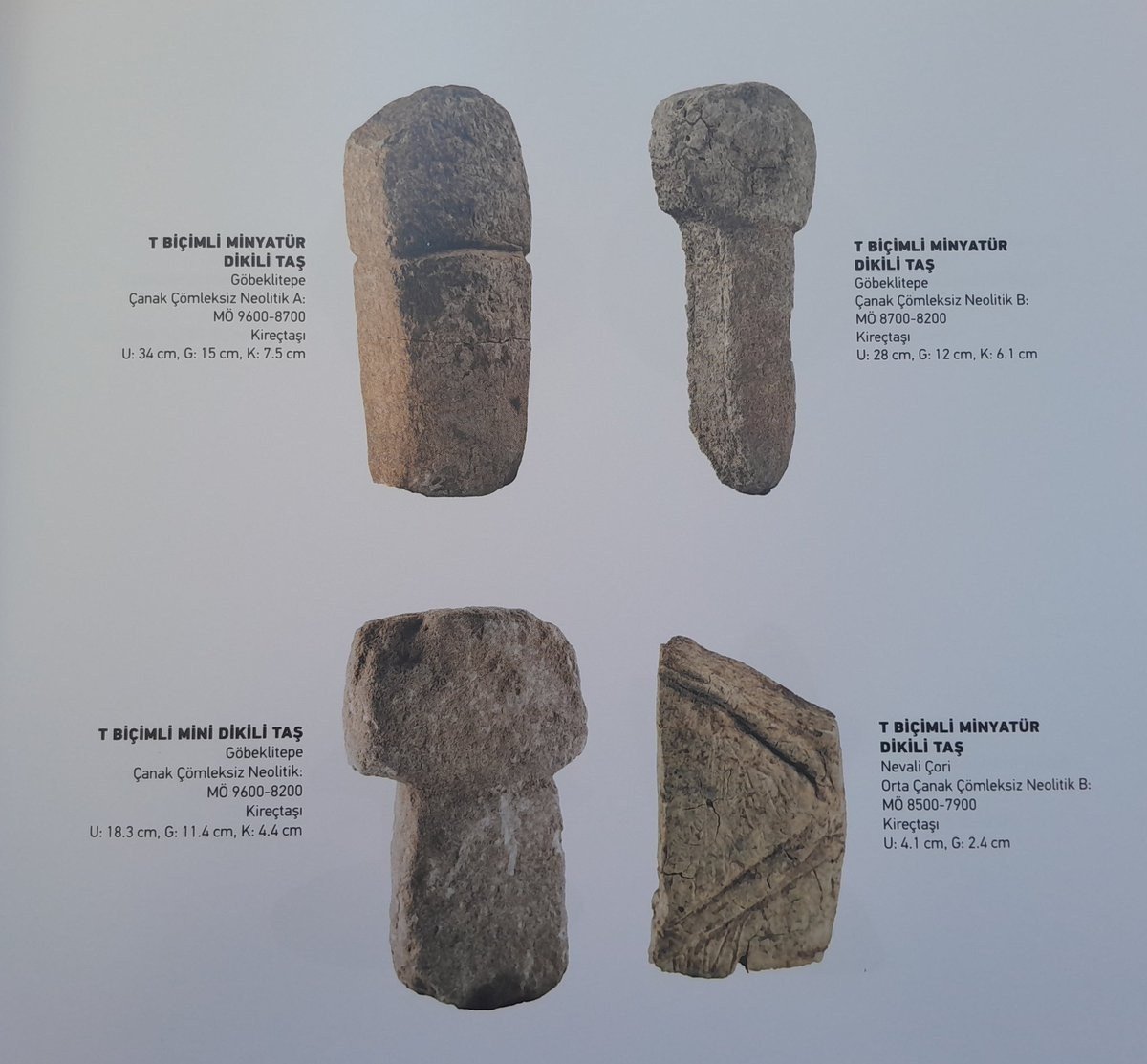
Taş Tepeler — "the Stone Hills" — is a cluster of Neolithic sites in Şanlıurfa, southeastern Türkiye, where, eleven thousand years ago, hunter-gatherers raised rings of great T-shaped pillars carved with foxes, snakes and vultures, and tied to the bones of the dead. Göbekli Tepe is the most famous of them; it is not the only one.
Then it vanished under the hill for eleven thousand years.
How old, exactly
Numbers that large stop meaning anything. So here is the same span, measured against things you already know.
Start with a discovery


Start here · Learn
Plain-English answers, from the basics to the questions archaeologists are still arguing over.
An 11,000-year-old site of monumental stone buildings near Şanlıurfa — rings of carved T-shaped pillars raised by hunter-gatherers, before farming, pottery or writing. It overturned the idea that monuments came only after settled life.
Read the full answer→Its oldest great buildings date to around 9500 BCE — roughly 11,500 years old, about 7,000 years older than Stonehenge or the pyramids. And it was built and rebuilt across more than a thousand years.
Read the full answer→Hunter-gatherers, before farming reached the region — the strongest evidence we have that monumental building predates agriculture. Not a lost civilization, and not aliens: local Neolithic communities.
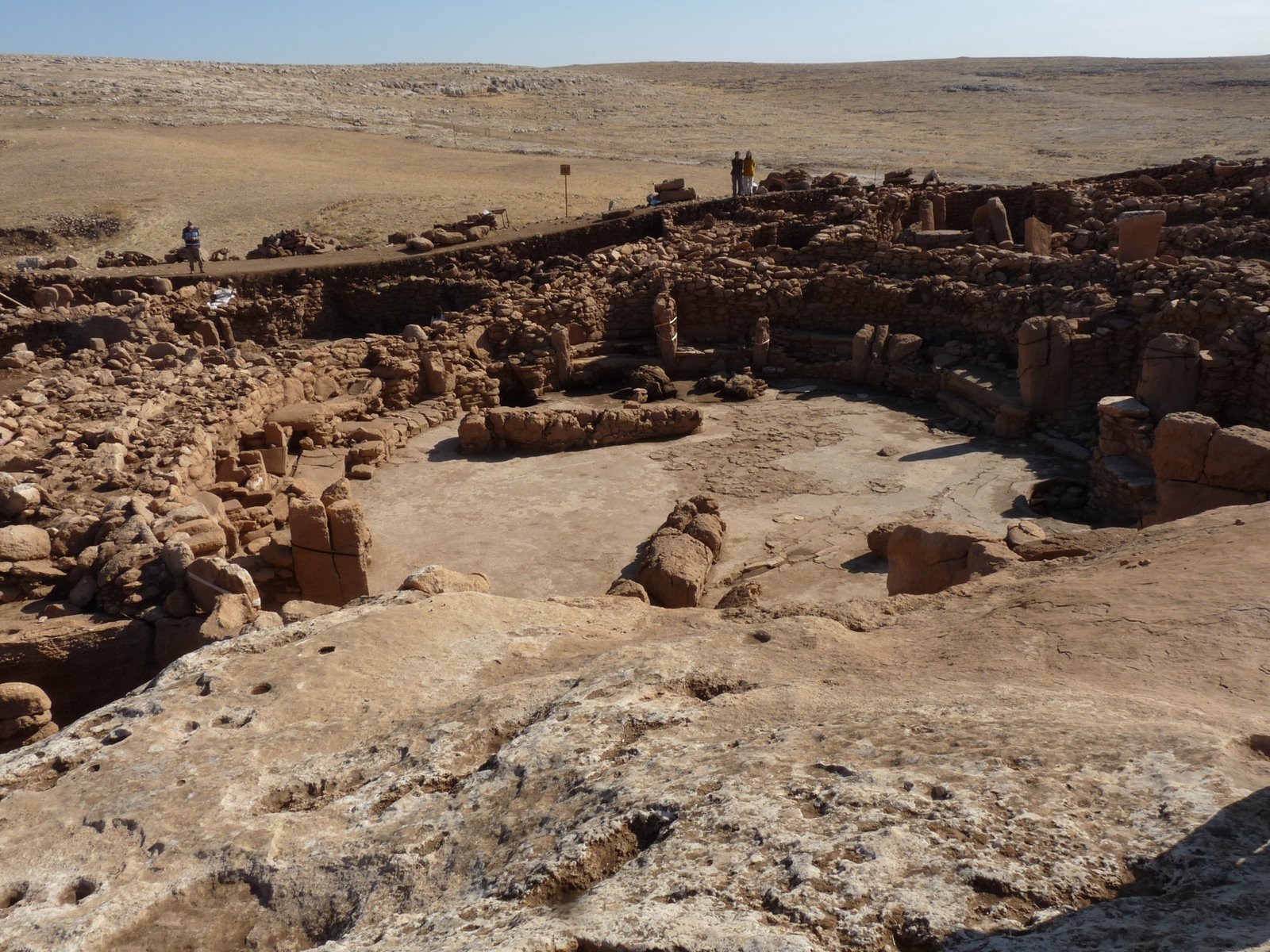
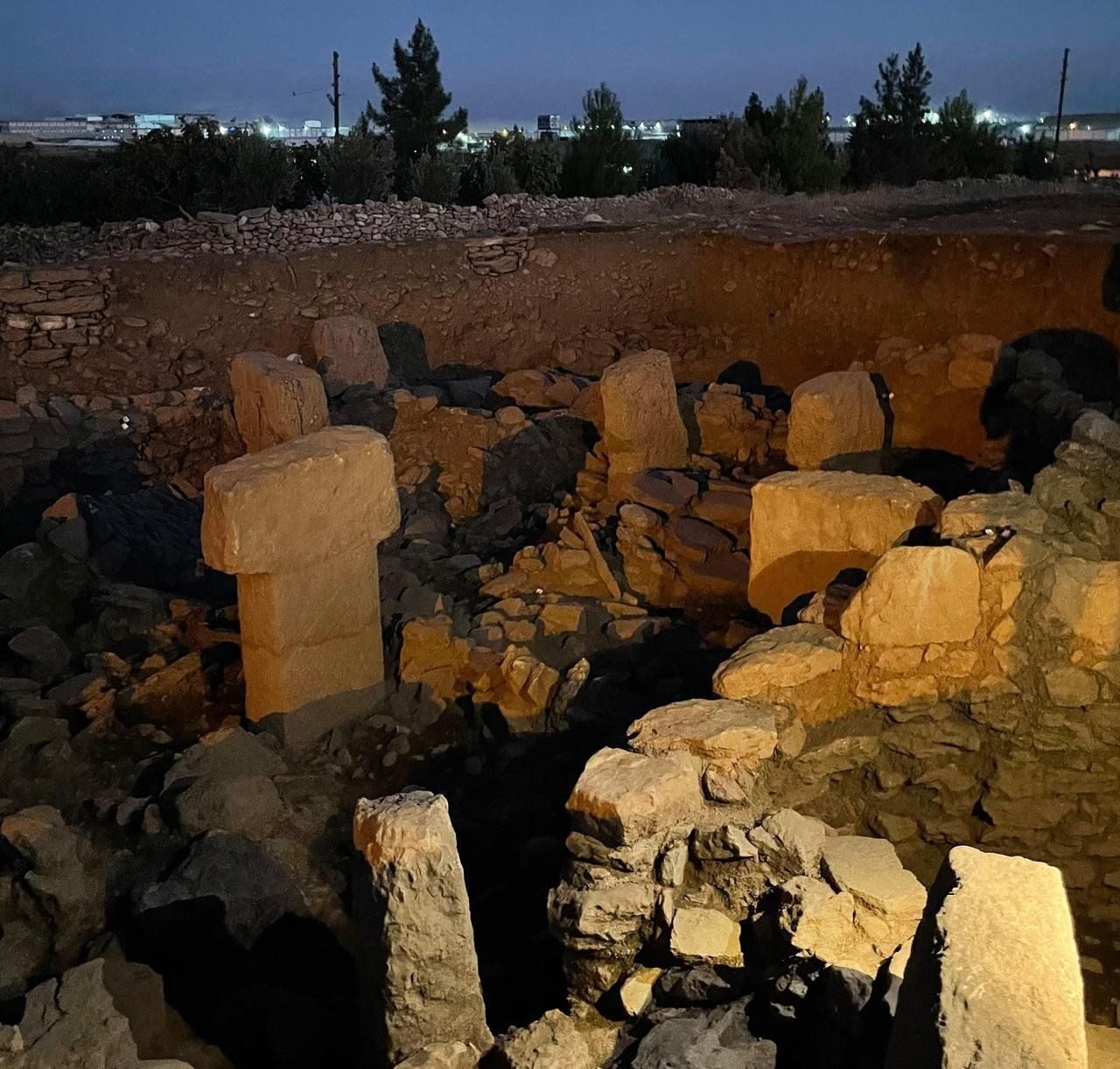
Read the full answer→"Stone Hills" — the whole landscape of related Neolithic sites around Şanlıurfa, and the research program that studies them together. Göbekli Tepe and Karahan Tepe are the famous two among about a dozen.
Read the full answer→The buildings ended up filled in, which is why they survived. Whether that was a deliberate act of "closure" or gradual accumulation is genuinely debated — the honest answer is that it isn't settled.
Read the full answer→Foxes, snakes, vultures, scorpions — overwhelmingly wild, dangerous animals, not everyday prey. They read as a shared symbolic language about power, danger and death that we can see but can't fully translate.
Read the full answer→Two giants of the same world, about 35 km apart. Göbekli's enclosures are built up from raised pillars; much of Karahan is carved down into the bedrock. Ideally, you visit both.
Read the full answer→Yes — Göbekli Tepe is a UNESCO site with a protective canopy and walkways, about 15 km from Şanlıurfa. Most visitors pair it with Karahan Tepe and the Şanlıurfa museum.
Read the full answer→The network · twelve sites
Visit
The lesser-seen sites, on a route we shape around you.
Last reviewed 20 July 2026. Something wrong?
Last reviewed 21 July 2026. Something wrong?