News & field journal
From the field.
New discoveries, research, and events from across the Taş Tepeler sites — sourced, and updated as the digs report.
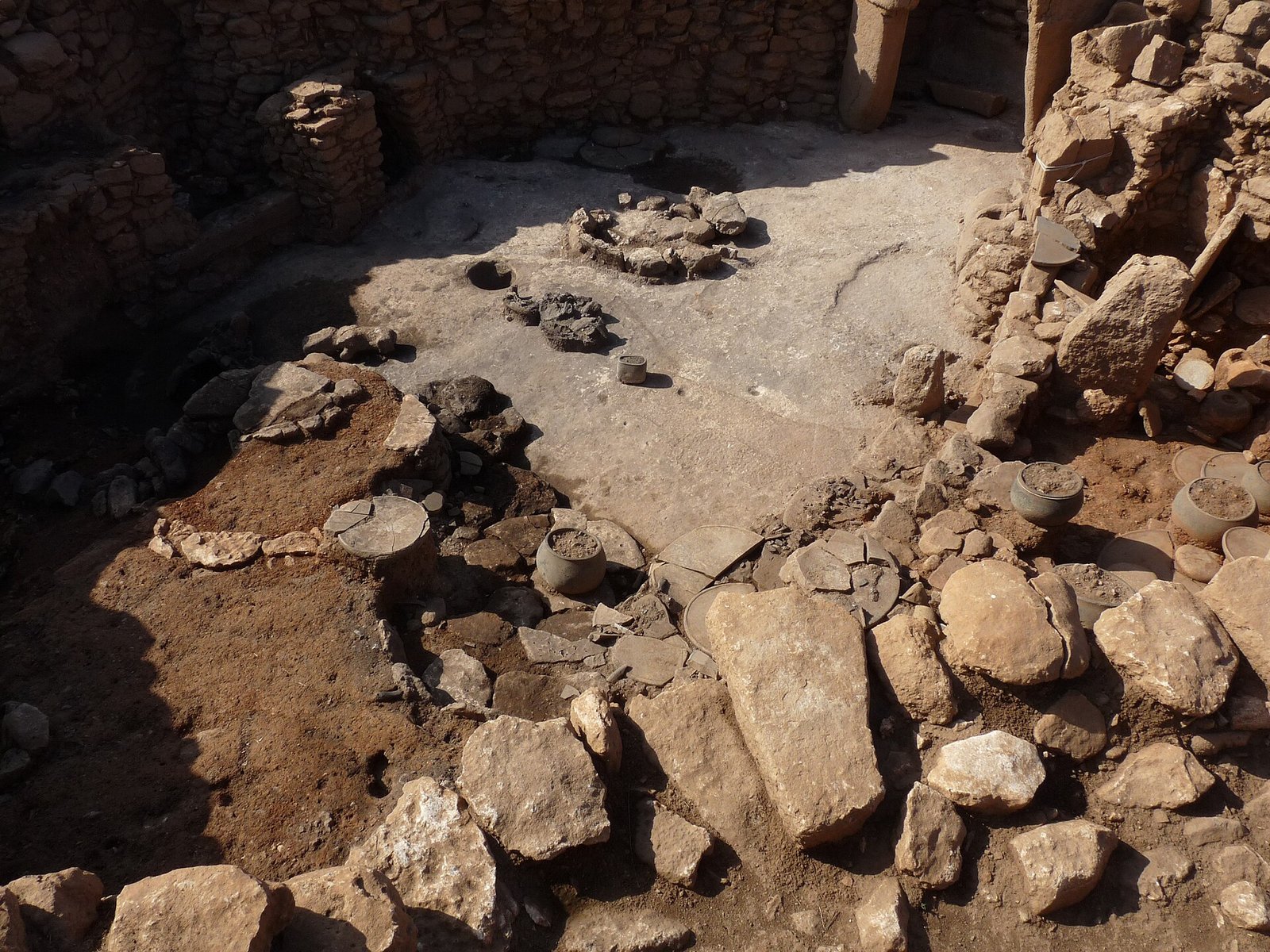 11 October 2026 · Karahan TepeKarahan's dead: one skeleton, and a set of burned skullsKarahan Tepe is covered in carved heads — but its real dead are strangely scarce. Across the whole excavation there is just one complete skeleton, and a set of human skulls that were burned and finely scratched. Necmi Karul's 2025 report reads them as evidence of a regional cult of the head.Read the story →
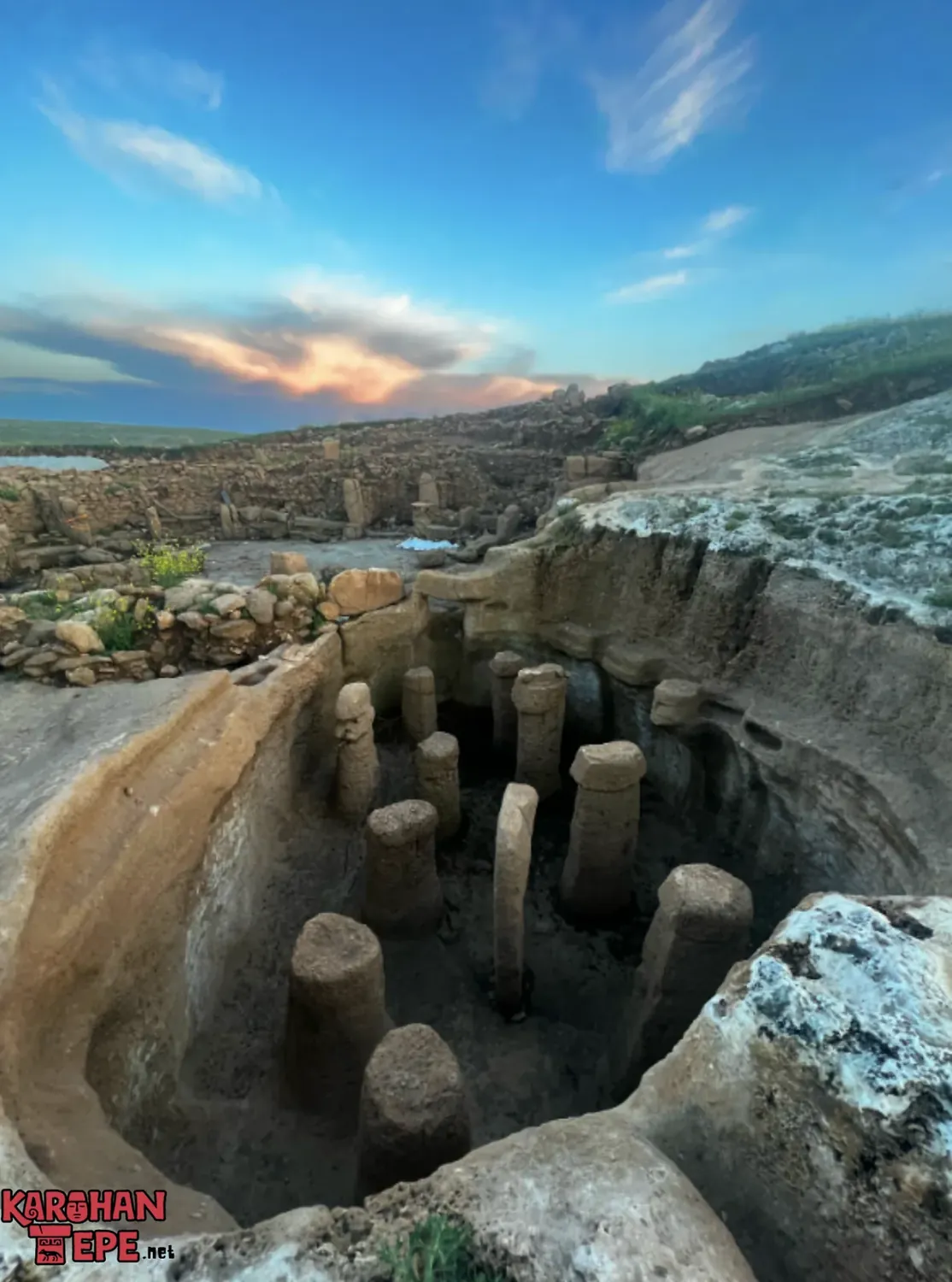 11 October 2026 · Karahan TepeWhy the Taş Tepeler buried their own monumentsAt Karahan Tepe the great rooms did not fall into ruin — they were filled in and sealed on purpose. Necmi Karul's 2025 report argues the burials were deliberate: a building was treated as something with a life that could be ended, and the mound was built to hold a memory.
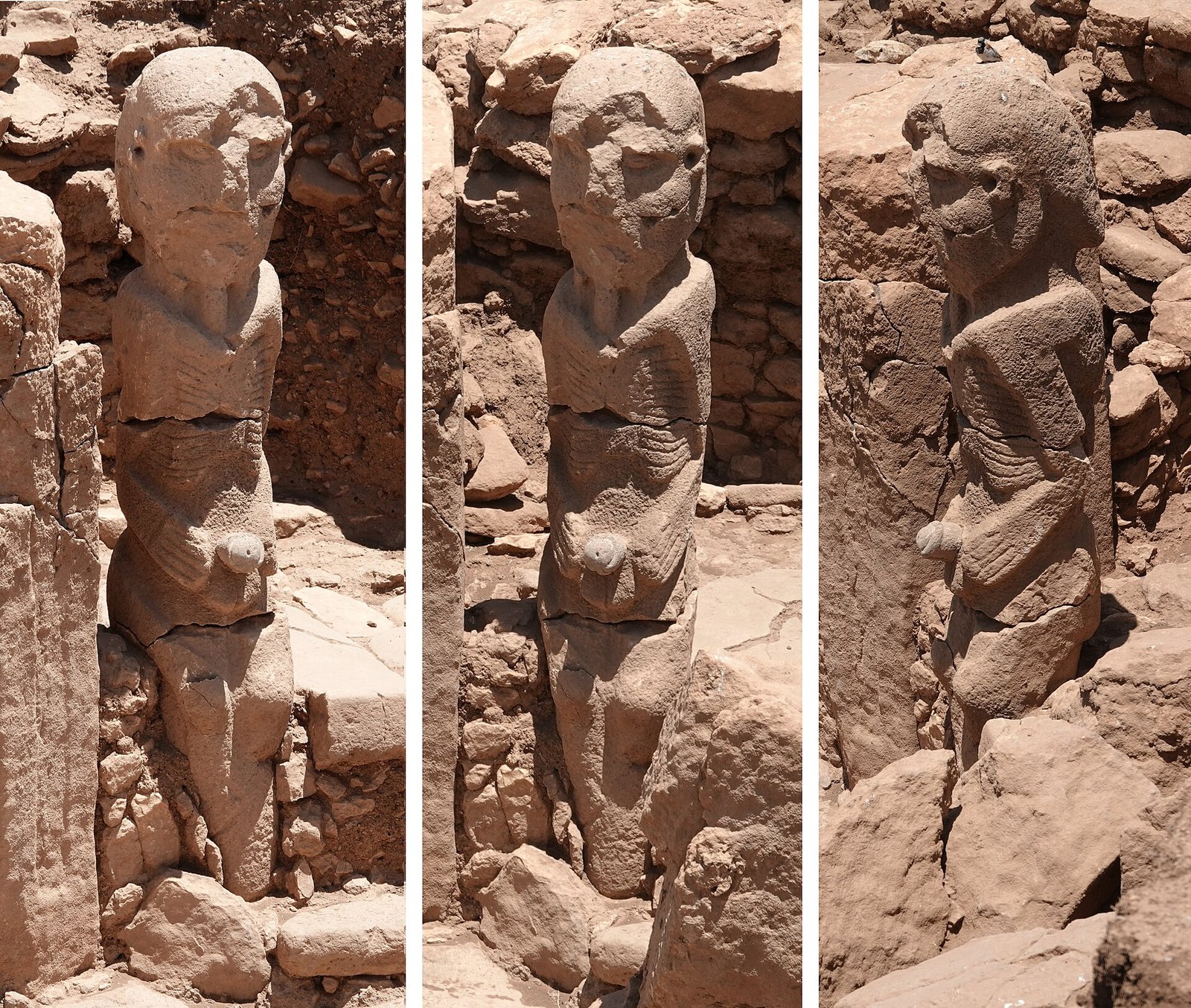 11 October 2026 · Karahan TepeKarahan Tepe, fully mapped: what the first complete excavation report revealsFor six years Karahan Tepe's discoveries arrived one headline at a time — a carved head, a chamber of pillars, the gaunt seated 'Ribbed Man'. Now the excavator Necmi Karul has published the first account of the whole site, and it joins those finds into a single story: three phases of building, a complex of monumental rooms, and a community that deliberately buried its own architecture. Here is what it changes.
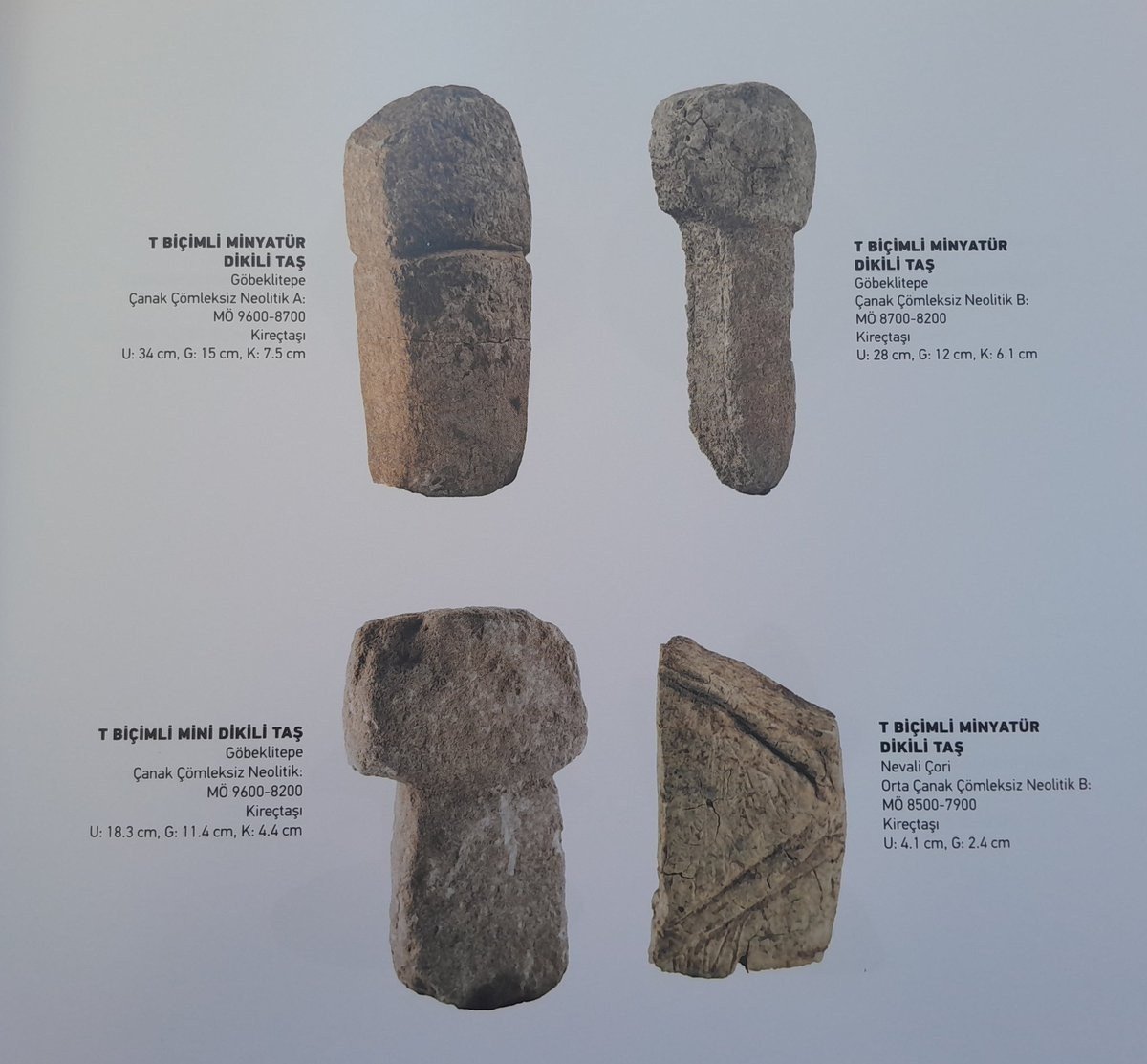 1 October 2026 · Şanlıurfa MuseumThe miniature T-pillars: Göbekli Tepe's giants, shrunk to the handA T-pillar is a stylised human body carved in stone — and the Şanlıurfa Archaeology Museum holds hand-sized ones. Four catalogued miniature T-pillars from Göbekli Tepe and Nevalı Çori, in the same limestone as the multi-tonne giants, shrink the monument down to a 'being' you can close a hand around. The objects are real and measured; why they were made is genuinely open.
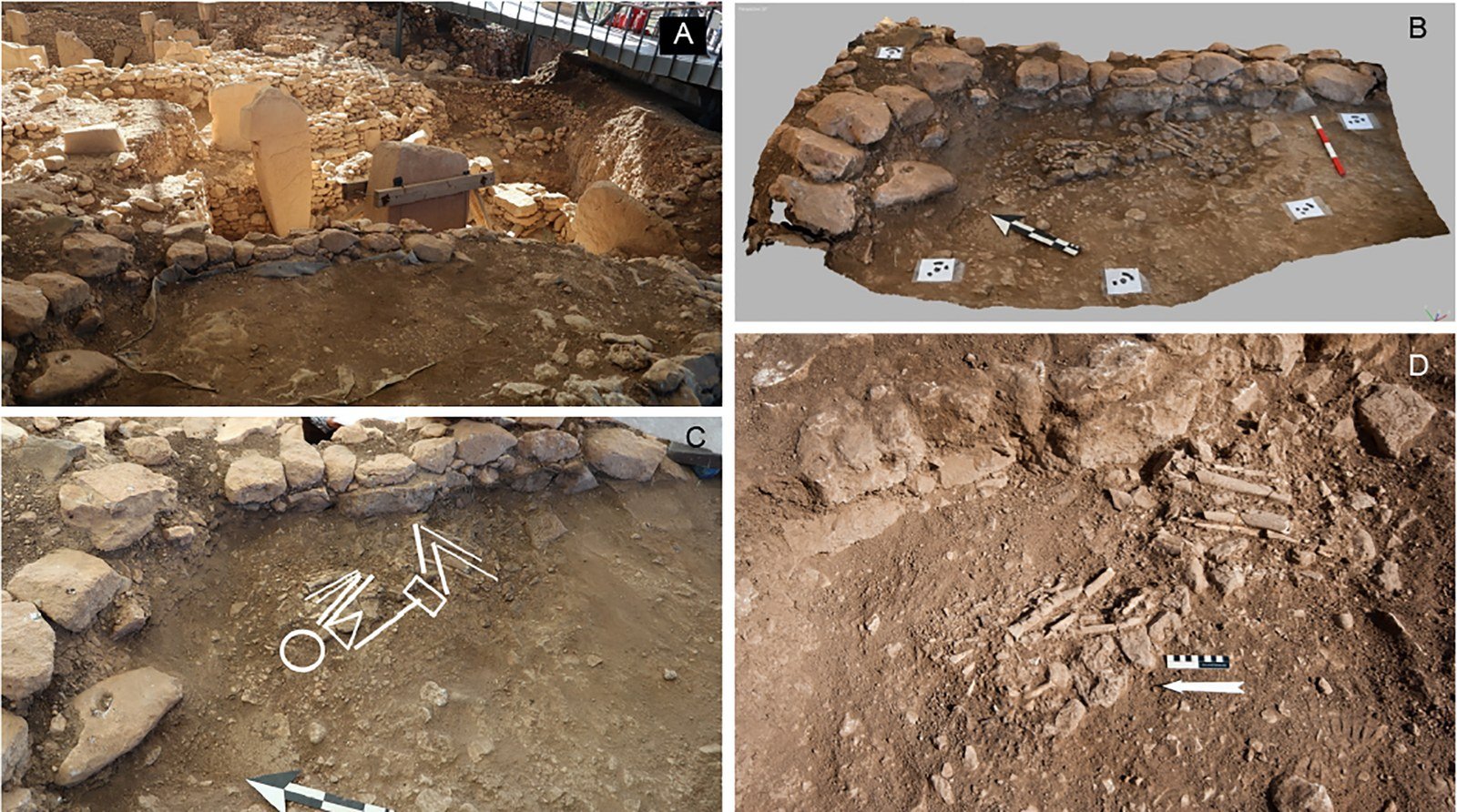 22 September 2026 · Göbekli TepeGöbekli Tepe's first intact burials — and a new answer to a 30-year mystery of scattered bonesFor thirty years, Göbekli Tepe gave up only broken, scattered human bones with no clear graves. Now a study by Julia Gresky and Lee Clare (published in PLOS One, September 2026) describes the site's first two intact burials — and argues they finally explain where most of those loose bones came from.
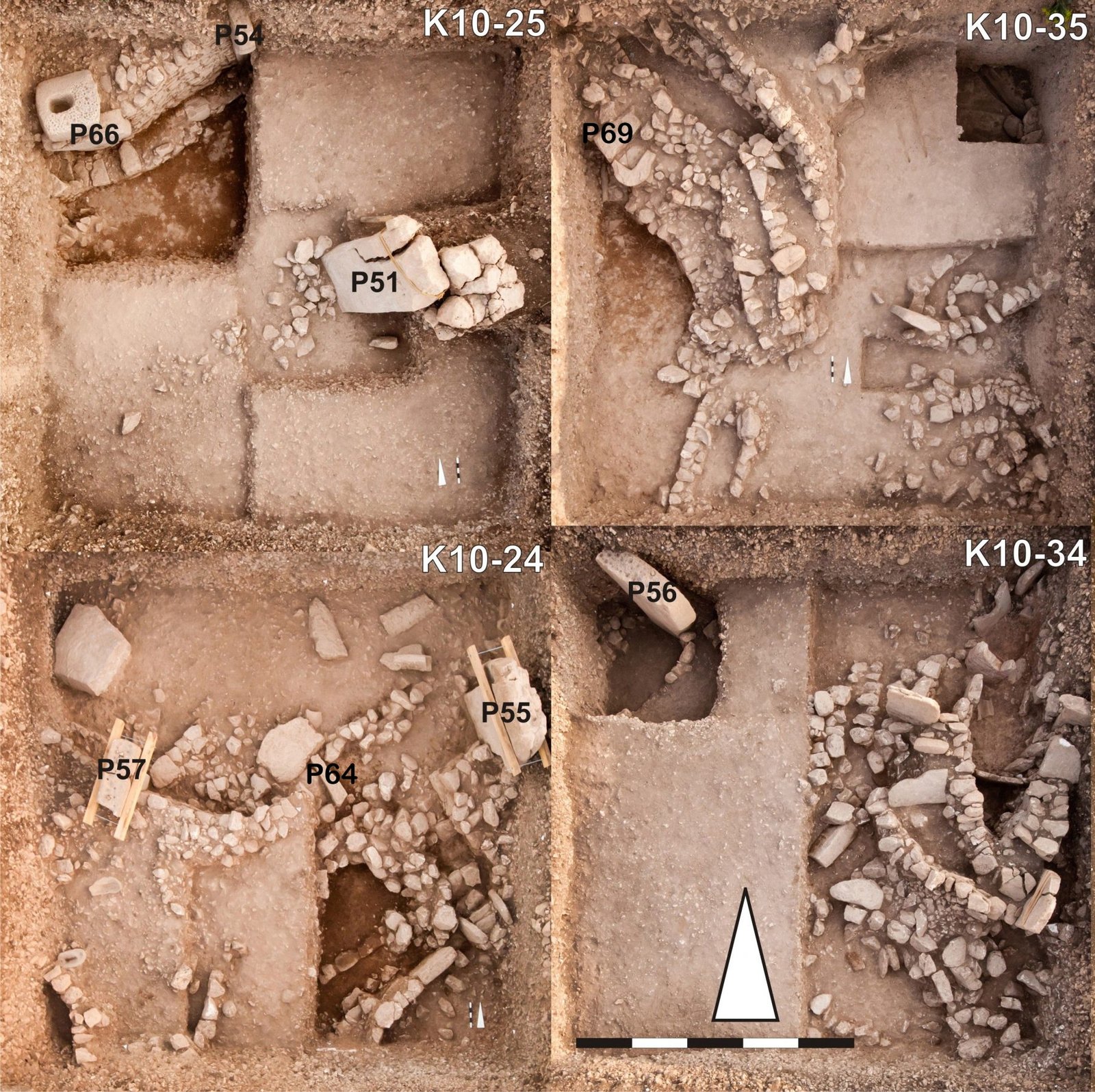 20 September 2026 · Göbekli TepeWere Göbekli Tepe's builders really equals?The usual story is that hunter-gatherers lived as equals. A 2022 study argues that Göbekli Tepe and Karahan Tepe were classless but not flat — societies ranked by prestige rather than wealth.
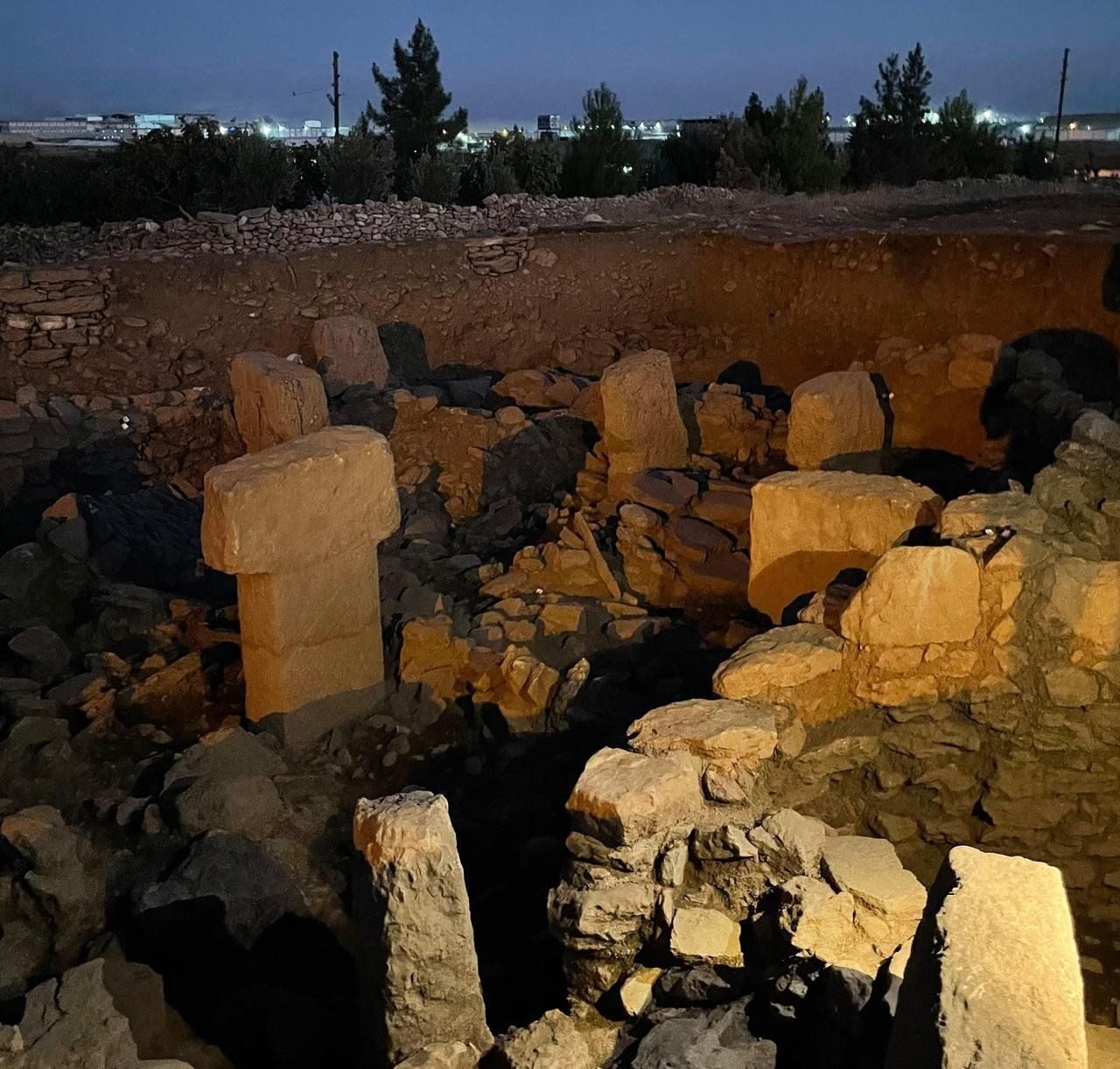
 20 September 2026 · SayburçSayburç kept its dead in the walls of its housesDirector Eylem Özdoğan's report finds Sayburç's dead not in a cemetery but tucked into the homes — three clusters of secondary burials, all showing burning, with selected long bones and skulls placed inside the dwellings, one set sealed in a wall niche and plastered over.
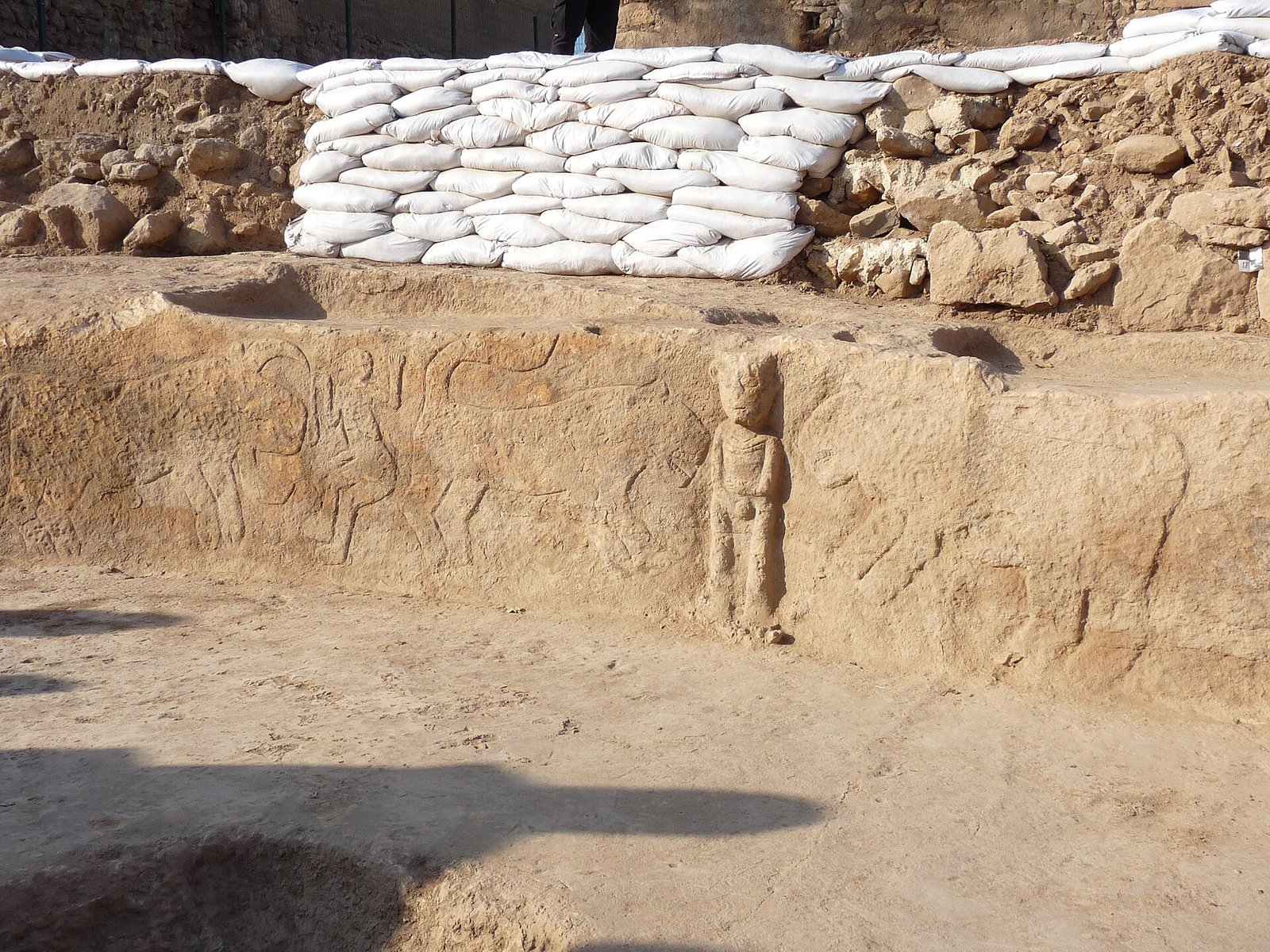
 19 September 2026 · SayburçAt Sayburç, the shrine stood among the housesIn her first full report on Sayburç, excavation director Eylem Özdoğan shows its carved 'special buildings' sitting right beside the ordinary dwellings — sacred and everyday woven together, not set apart on a bare hill.
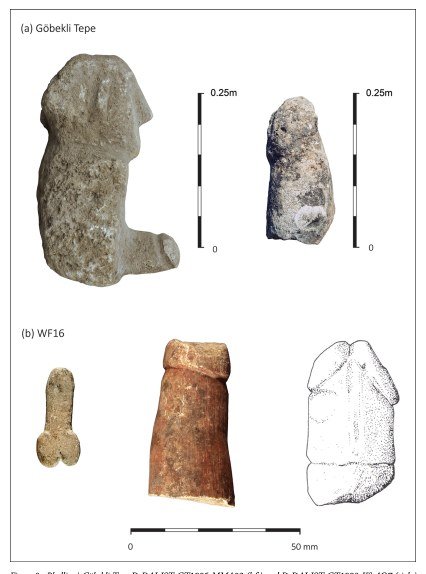 19 September 2026 · Göbekli TepeGöbekli Tepe's symbols turn up 1,000 km away — in JordanA 2023 study argues that the snakes, birds of prey and other motifs carved at Göbekli Tepe reappear at WF16, a Neolithic site in southern Jordan more than a thousand kilometres to the south — evidence that ideas, not just objects, travelled across vast early social networks.
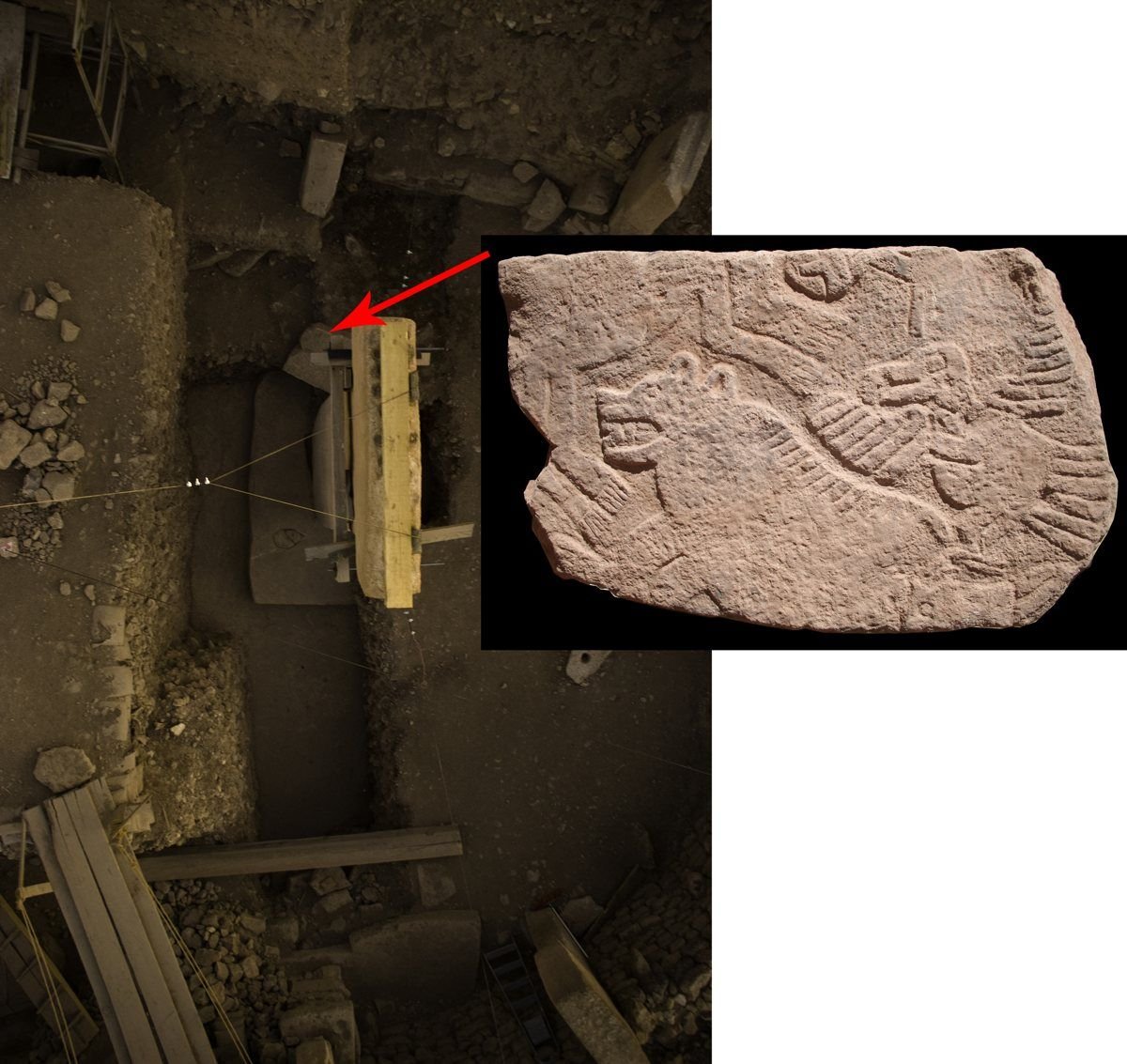 19 September 2026 · Göbekli TepeA severed head among the animals: the buried slab beside Pillar 18As Enclosure D was emptied, a huge stone slab turned up face-down beside a central pillar. Flipped over, it showed a hyena, a vulture, other beasts — and, at the broken edge, a severed human head. It ties Göbekli Tepe's animals to its cult of the skull.
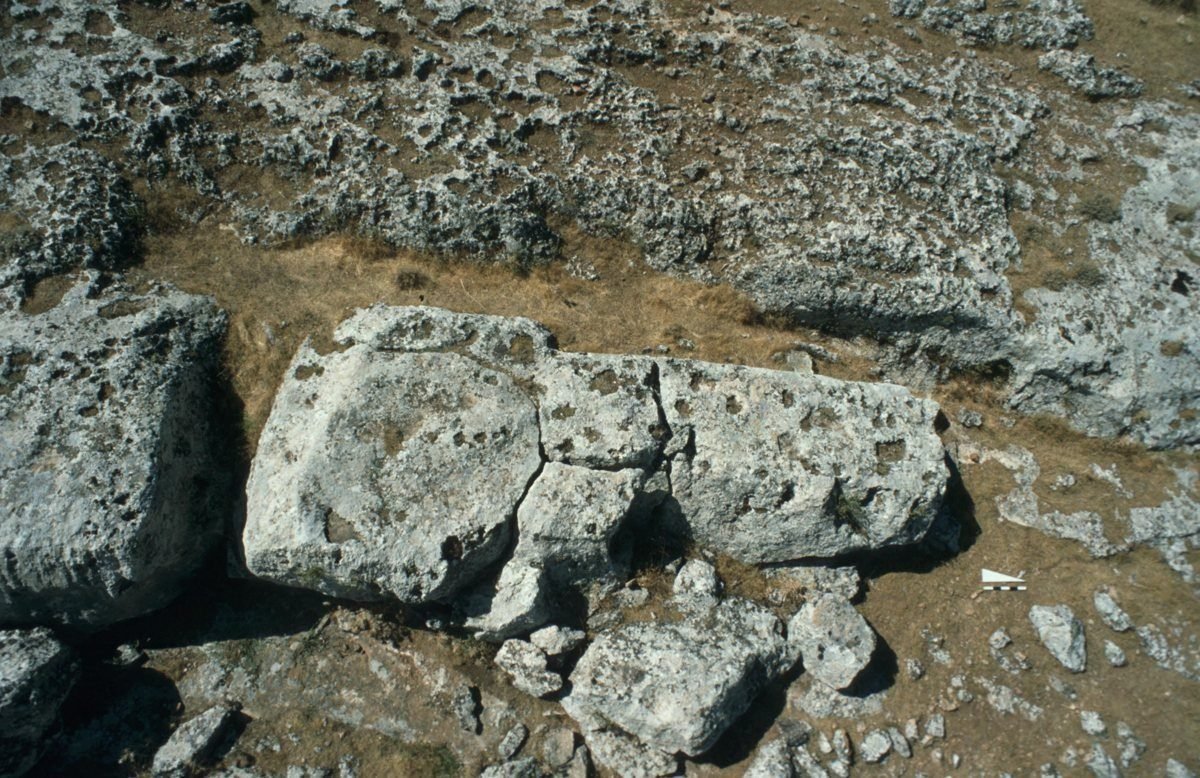 19 September 2026 · Göbekli TepeHow they made and moved 10-ton monoliths at Göbekli TepeThe central pillars of Enclosure D stand 5.5 metres tall and weigh eight to ten tonnes each. There is no mystery about where they came from: the excavators found the quarries, and even the half-finished pillars the Stone Age masons left in the rock.
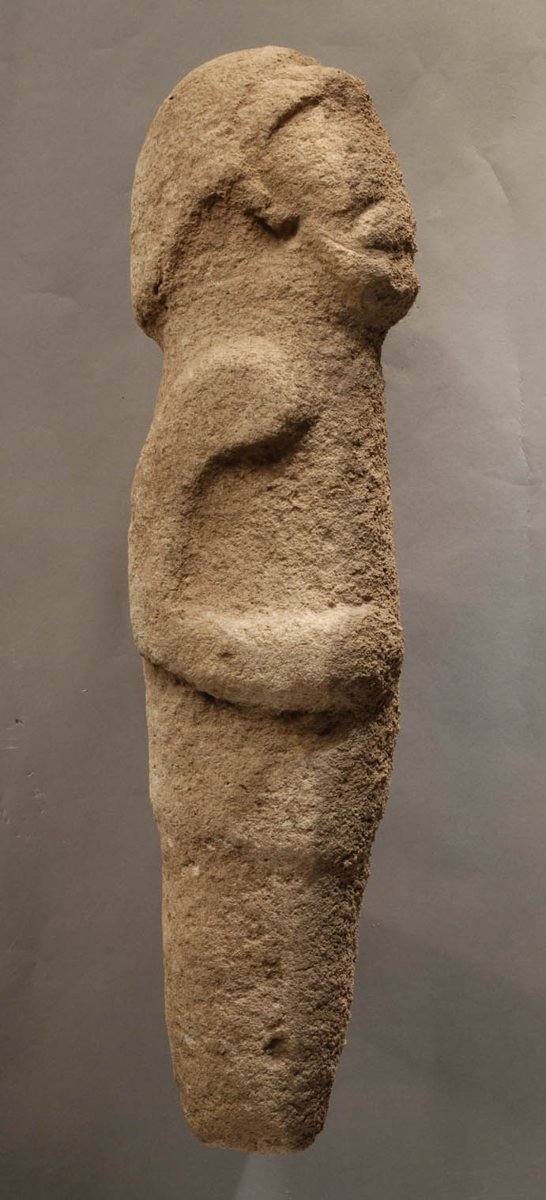 19 September 2026 · Göbekli TepeBuried face-down at Göbekli Tepe: the figure hidden in a sealed roomOn Göbekli Tepe's southwestern hilltop, in a chamber with no visible door, excavators found a complete human statue lying face-down beside a pillar — arms bent, hands brought together at the belly, wearing a cap. Someone laid it there, on purpose, and closed the room.
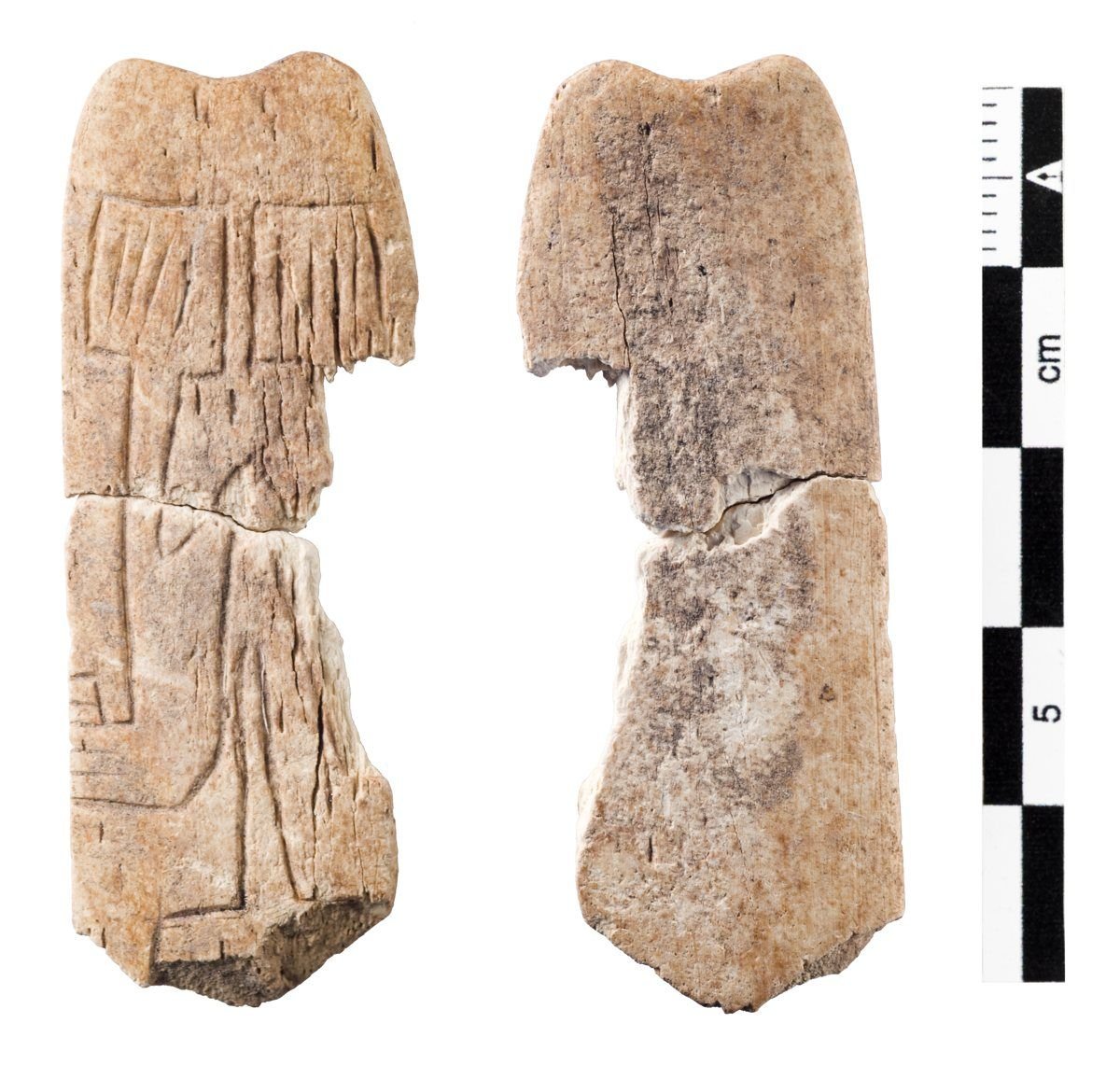 19 September 2026 · Göbekli TepeA picture of the pillars? Göbekli Tepe's little bone with two T-shapesA 5-centimetre scrap of carved rib bone from Göbekli Tepe bears a faint drawing — and in its upper part, two hatched T-shapes. If they are what they look like, this is a Neolithic image of the site's own great T-pillars: a picture of the pillars, made by the people who raised them.
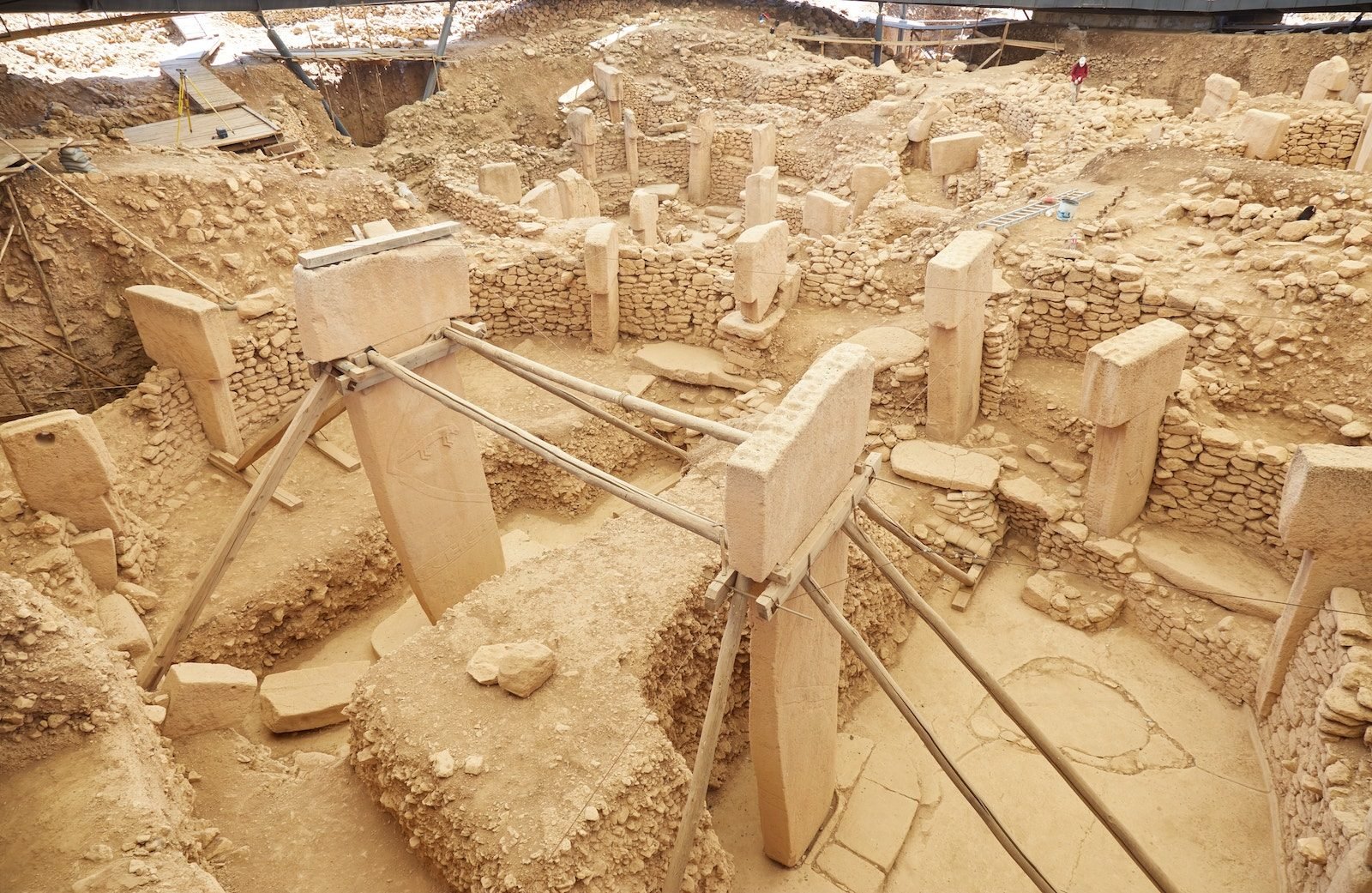 18 September 2026 · Göbekli TepeEach enclosure, its own animal: the carved emblems of Göbekli TepeGöbekli Tepe is a menagerie in stone — but not a random one. Each of its great enclosures is dominated by a different animal: snakes in A, foxes in B, boars in C, birds in D. The excavators read these as emblems, and wonder if each ring was built by a different group.
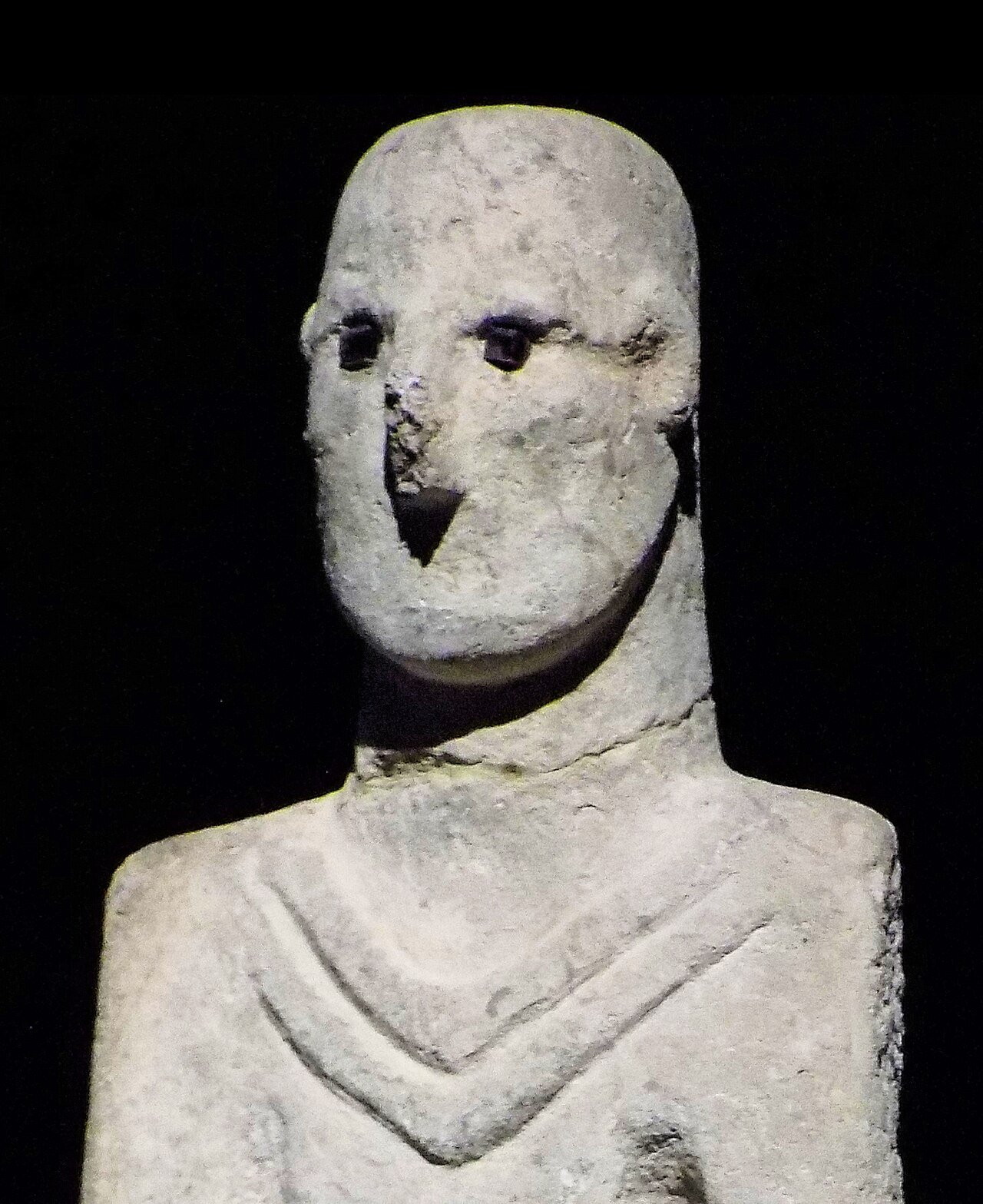 12 September 2026 · The wider worldUrfa Man: the oldest life-size statue of a person, and he is still staring backDug out of a city-centre building site in 1993, Urfa Man is the earliest life-sized human statue we know of — carved in limestone around 9,500 years before Christ, with eyes of black obsidian, no mouth, and both hands brought to the front of the body. He is the human face of the people who built the Taş Tepeler.
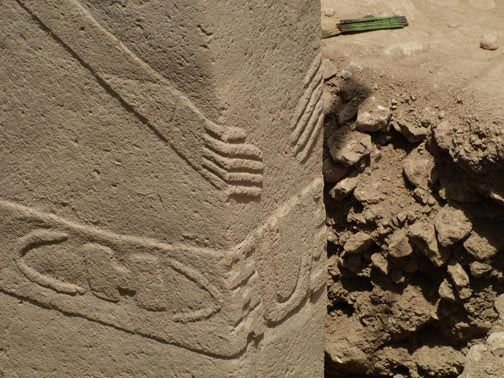
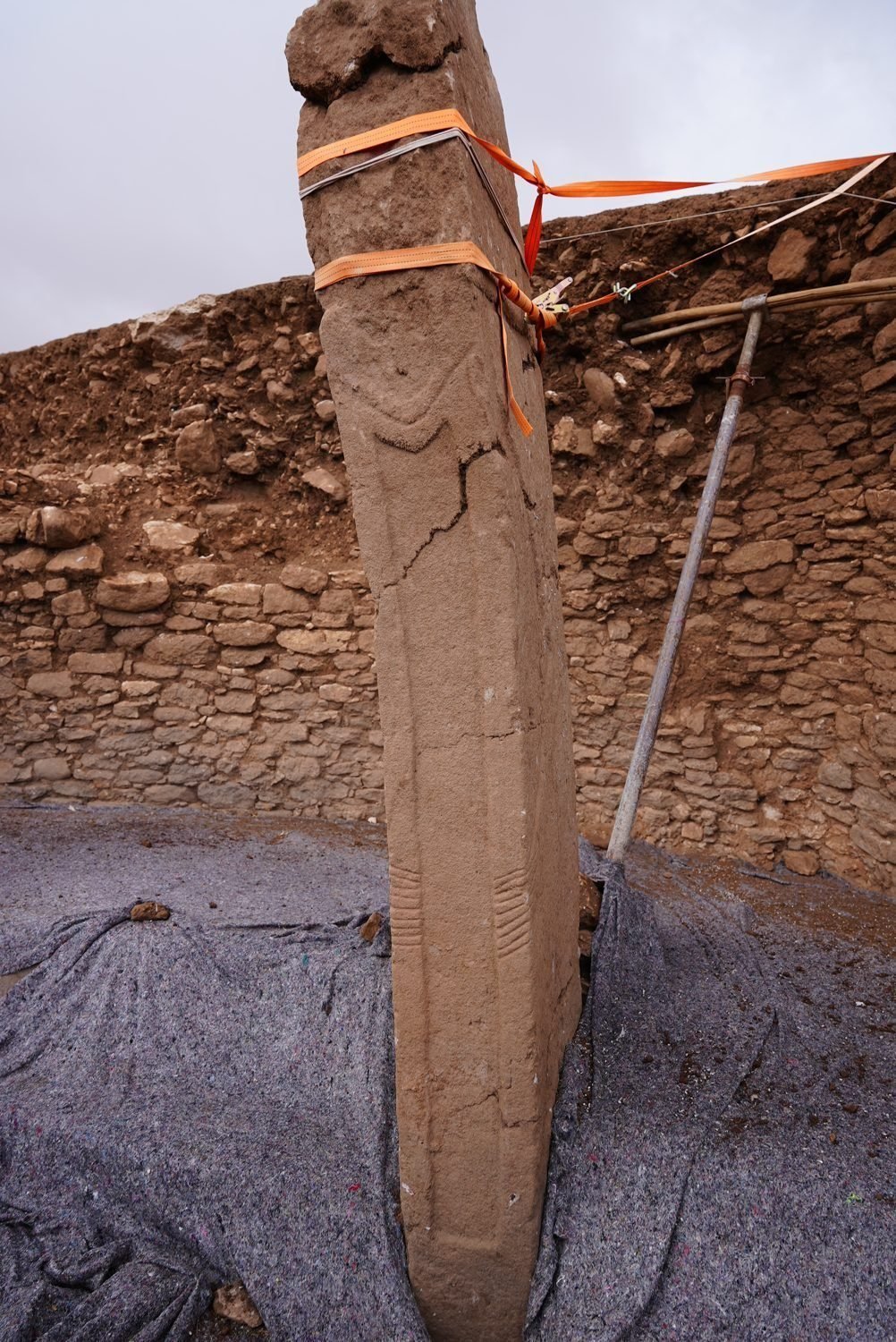 12 September 2026 · Karahan TepeEight fingers on each hand: is this Karahan Tepe pillar a crane, not a person?Photographed in the field as it was lifted, a T-shaped pillar from Karahan Tepe carries a genuinely strange detail: each 'hand' has about eight long fingers — sixteen in all — fanning out, above a shoulder that doesn't sit like a normal T-pillar's. Researcher Dakota Wint, who examined and photographed the stone, suggests it may not be a stylised human at all, but a figure bearing a crane's wing — tying it to the crane masquerade and fertility symbolism that run through the Taş Tepeler world.
11 September 2026 · The pillarsThe T-pillar is a body: why Göbekli Tepe's great stones are people, not columnsLook at a central pillar at Göbekli Tepe and you find an arm running down the shaft, a hand curling to the front, and a belt with a fox-pelt loincloth. The same anthropomorphic idea runs through Karahan Tepe and Sayburç — the monuments are populated by stone beings, not decorated with columns.
12 September 2026 · Karahan TepeEight fingers on each hand: is this Karahan Tepe pillar a crane, not a person?Photographed in the field as it was lifted, a T-shaped pillar from Karahan Tepe carries a genuinely strange detail: each 'hand' has about eight long fingers — sixteen in all — fanning out, above a shoulder that doesn't sit like a normal T-pillar's. Researcher Dakota Wint, who examined and photographed the stone, suggests it may not be a stylised human at all, but a figure bearing a crane's wing — tying it to the crane masquerade and fertility symbolism that run through the Taş Tepeler world.
11 September 2026 · The pillarsThe T-pillar is a body: why Göbekli Tepe's great stones are people, not columnsLook at a central pillar at Göbekli Tepe and you find an arm running down the shaft, a hand curling to the front, and a belt with a fox-pelt loincloth. The same anthropomorphic idea runs through Karahan Tepe and Sayburç — the monuments are populated by stone beings, not decorated with columns.
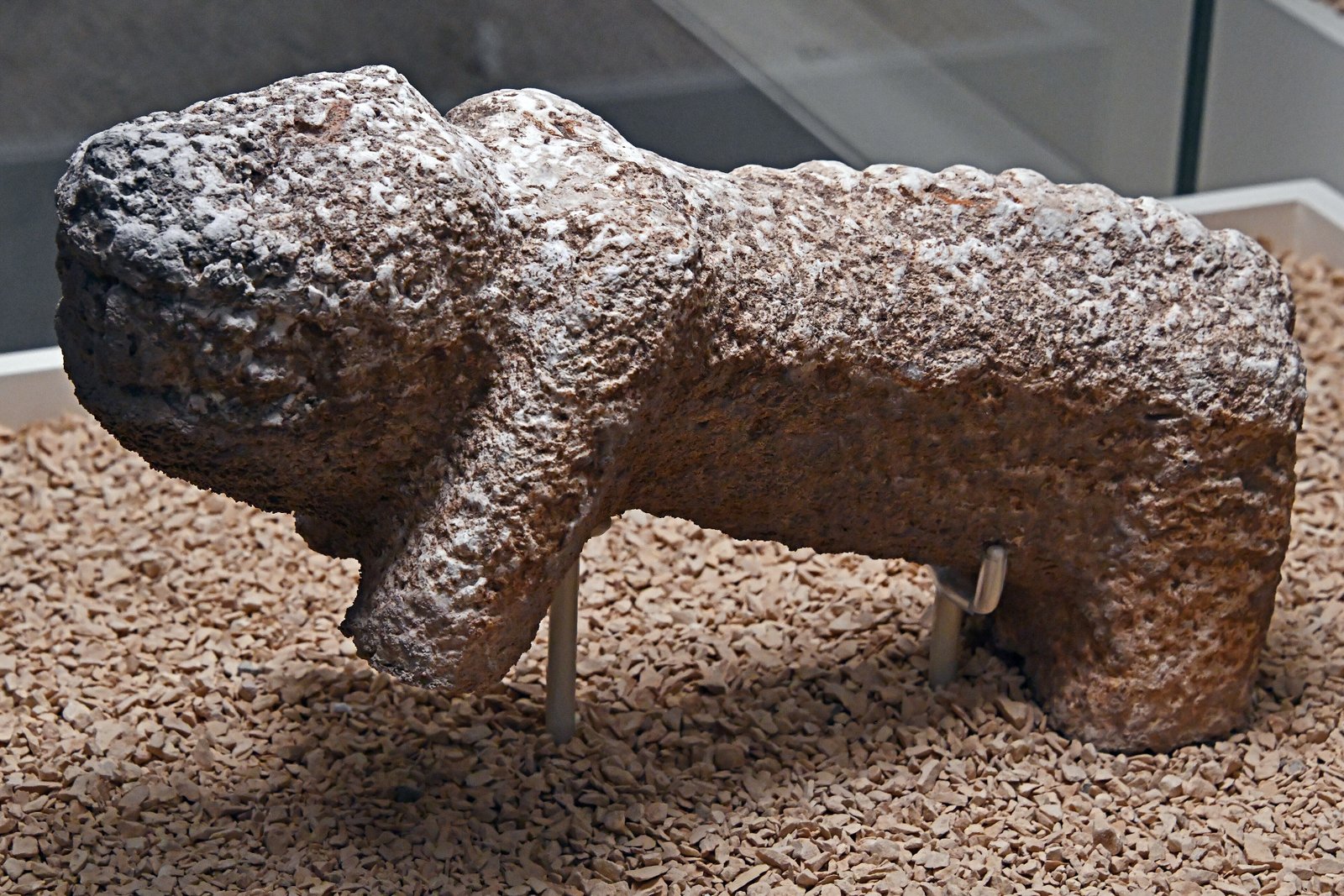 11 September 2026 · The animalsA menagerie of danger: why Göbekli Tepe carved the animals it fearedSnakes, scorpions, vultures, leopards, wild boar, aurochs — the carved animals of the Taş Tepeler sites are overwhelmingly the dangerous and the inedible. The gazelle that filled the cooking pots is almost nowhere on the walls. The gap between the menu and the menagerie is one of the loudest clues these sites give us.
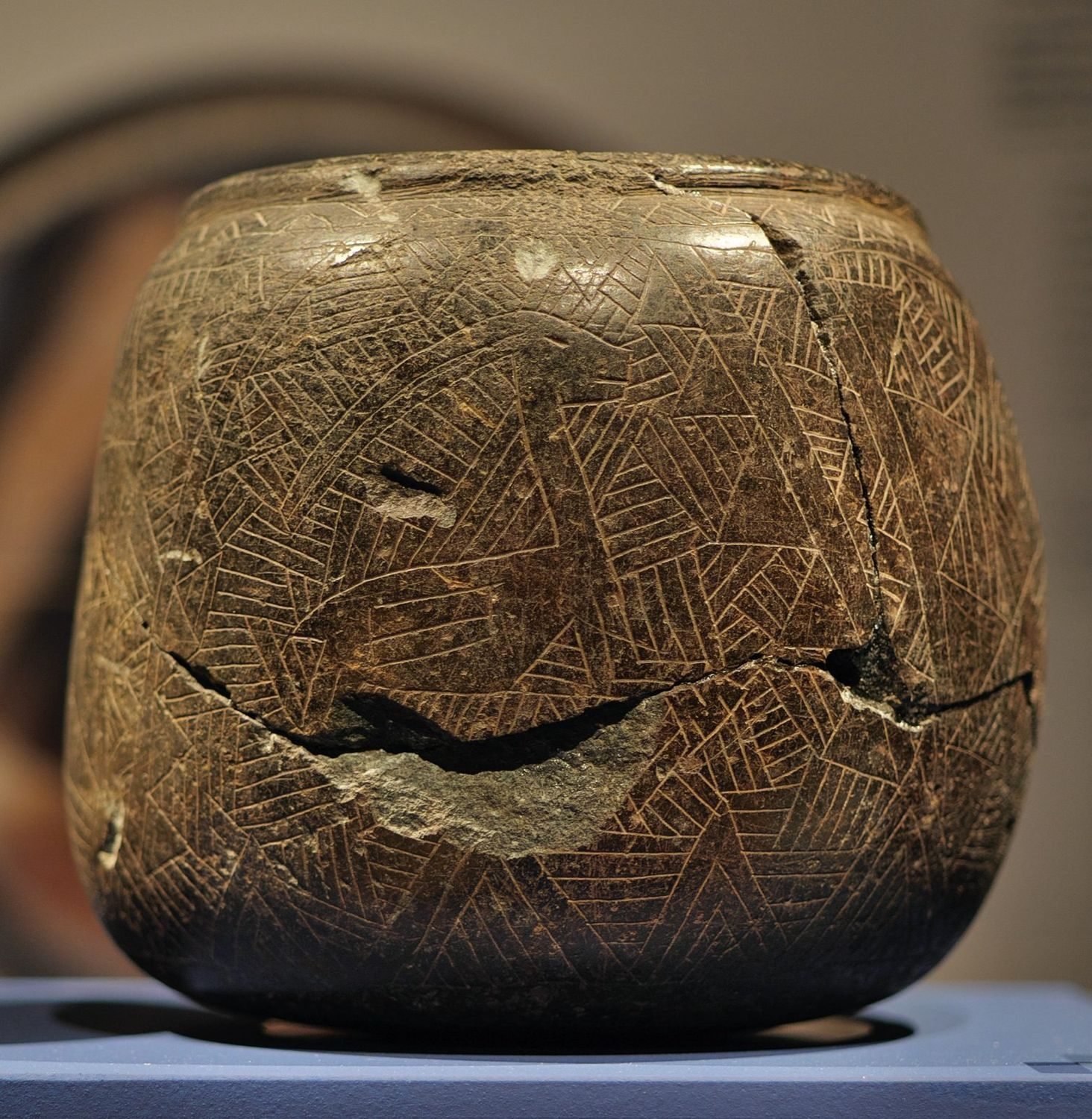 11 September 2026 · Craft & exchangeThe stone vessels that link Göbekli Tepe, Karahan and the wider networkLong before pottery, the people of the Taş Tepeler were carving bowls and cups out of stone — greenstone at Göbekli Tepe, chlorite at Karahan Tepe, limestone cups at Söğüt Tarlası, decorated vessels at Ayanlar. The same craft, in the same green-grey stones, turns up mound after mound.
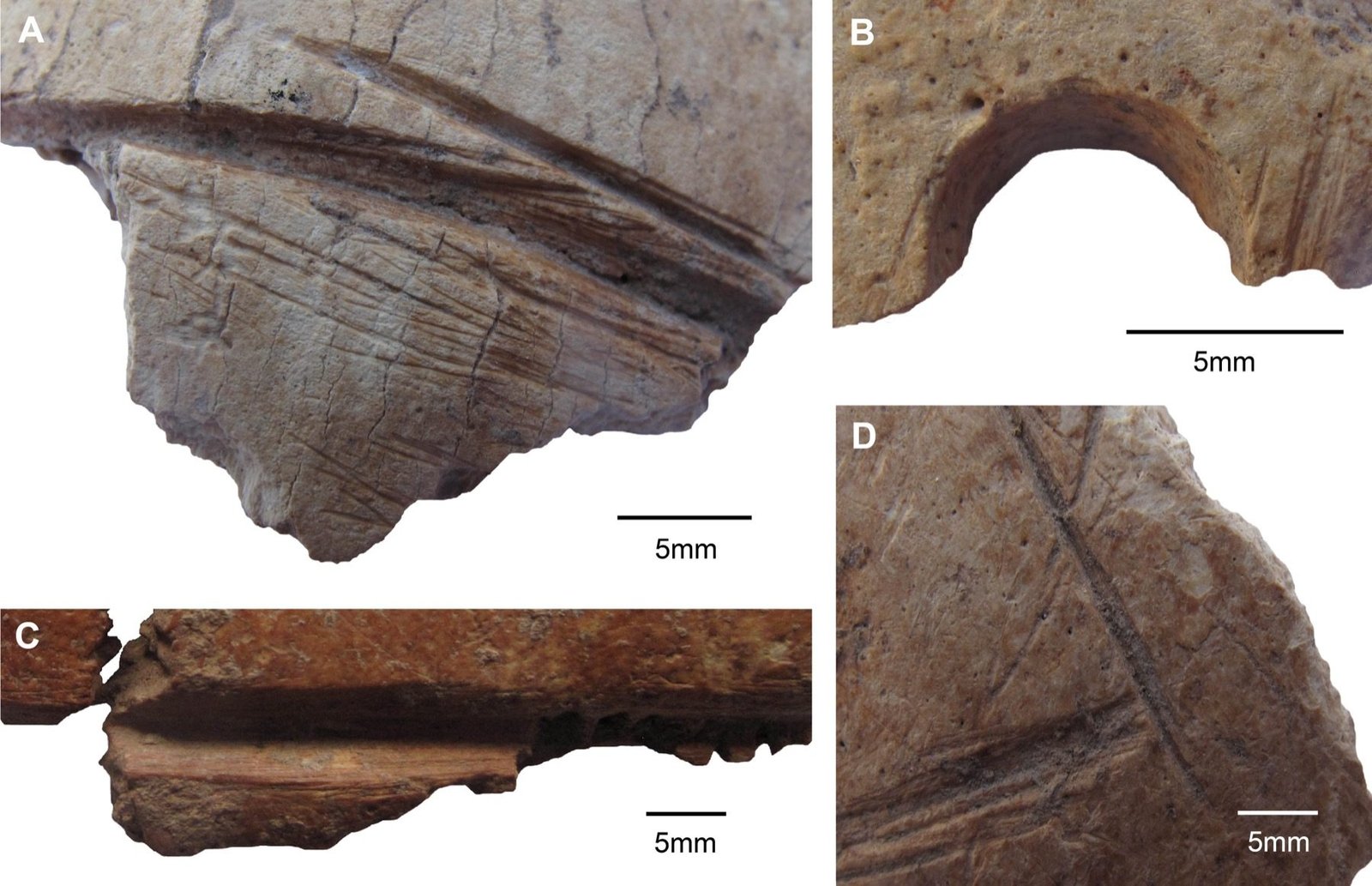 11 September 2026 · Death & the headThe headless man, and the skull someone drilled to hangA headless man carved on Pillar 43. Three human skulls incised with deliberate grooves — one drilled through the top, as if to be hung. These specific finds are the hard evidence behind the idea of a Neolithic 'skull cult.' For the full story across every Taş Tepeler site, see our deep read on the skull cult.
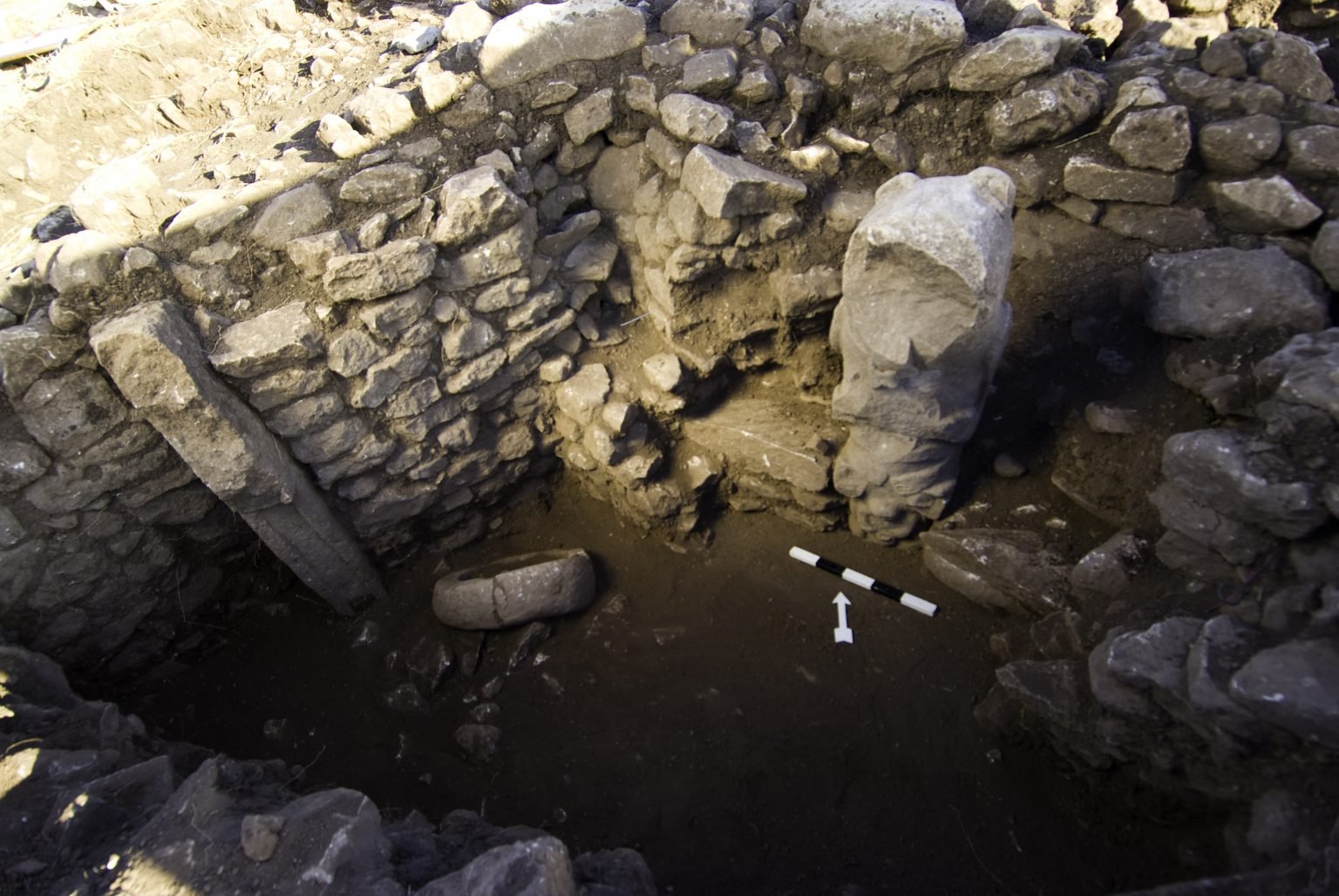 11 September 2026 · SculptureThe Göbekli Tepe totem pole: Neolithic beings stacked one on top of anotherAlongside the flat pillar reliefs, the Taş Tepeler sculptors made something stranger — tall composite sculptures with figures piled vertically, a predator over a human over a snake. A nearly two-metre example came out of Göbekli Tepe; the same stacked-being idea recurs at Karahan Tepe and across the region.
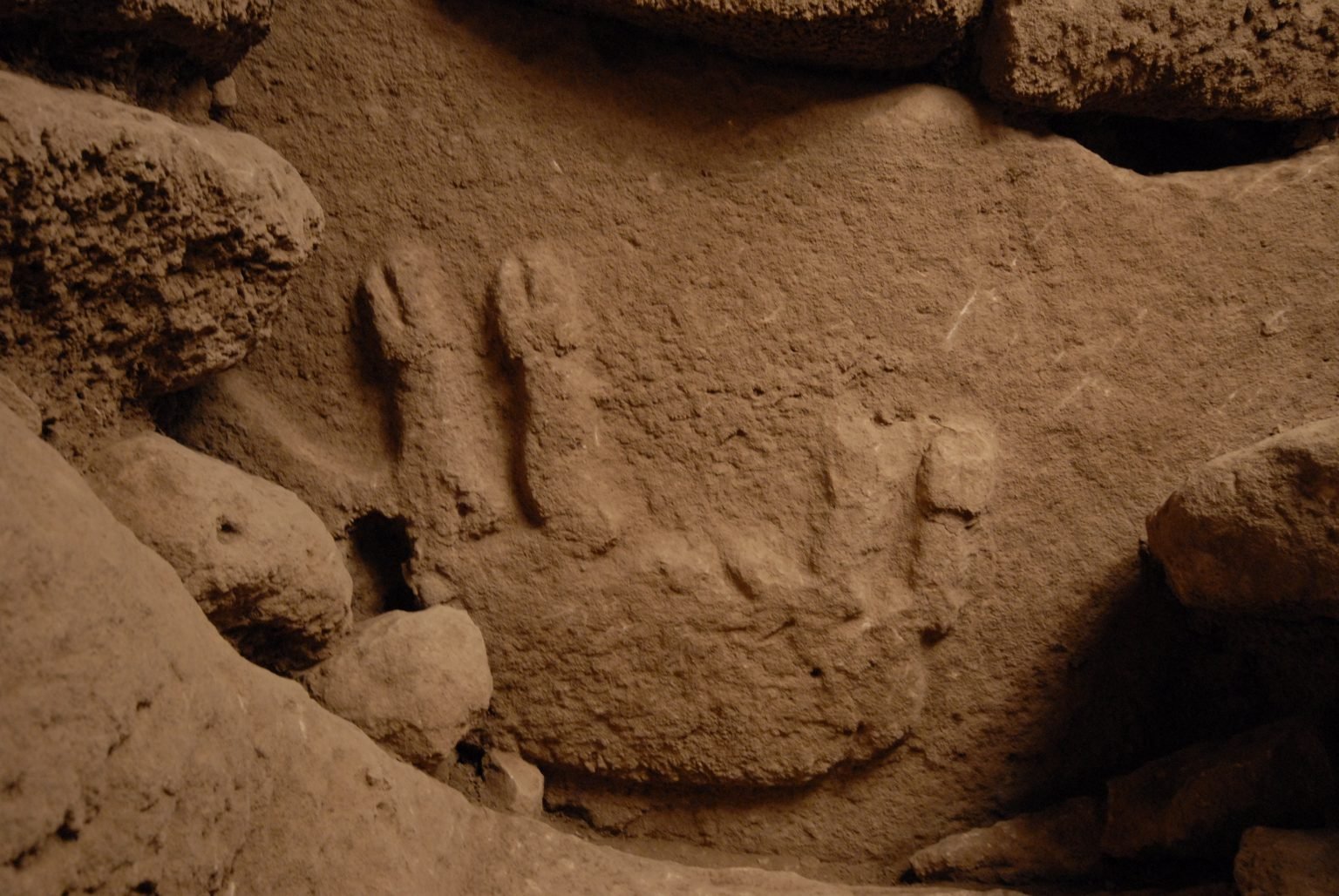 10 September 2026 · Göbekli Tepe & Karahan TepeDoorways to nowhere: the porthole stones of Göbekli Tepe and KarahanA carved slab pierced by a round hole turns up at Göbekli Tepe and again at Karahan Tepe — sometimes set in a wall, sometimes lying loose, sometimes a window between two rooms. Several are too small to climb through. So what were these openings for?
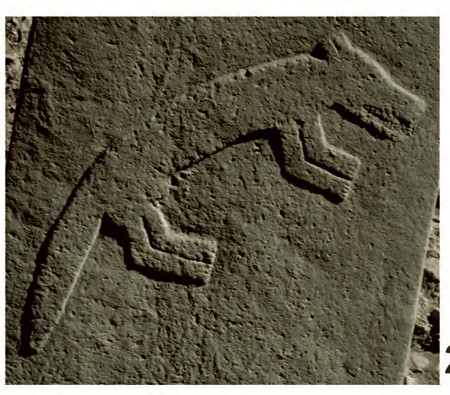 8 September 2026 · The animalsThe fox is everywhere: the animal carved across Göbekli Tepe and KarahanLions, leopards and vultures get the attention, but it is the fox — small, ordinary, no threat to anyone — that turns up most persistently across the Taş Tepeler sites: on the central pillars at Göbekli Tepe, on a pillar at Karahan Tepe, and, at Karahan, buried as paws-and-pelt in a careful deposit.
5 September 2026 · ArchitectureEvery Taş Tepeler special building has a bench — and here's whyFrom the great enclosures of Göbekli Tepe to the rock-cut rooms of Karahan Tepe and the relief building at Sayburç, one plain feature runs along the wall of almost every special building: a low stone bench. It may be the most under-noticed shared signature in the whole network.
8 September 2026 · The animalsThe fox is everywhere: the animal carved across Göbekli Tepe and KarahanLions, leopards and vultures get the attention, but it is the fox — small, ordinary, no threat to anyone — that turns up most persistently across the Taş Tepeler sites: on the central pillars at Göbekli Tepe, on a pillar at Karahan Tepe, and, at Karahan, buried as paws-and-pelt in a careful deposit.
5 September 2026 · ArchitectureEvery Taş Tepeler special building has a bench — and here's whyFrom the great enclosures of Göbekli Tepe to the rock-cut rooms of Karahan Tepe and the relief building at Sayburç, one plain feature runs along the wall of almost every special building: a low stone bench. It may be the most under-noticed shared signature in the whole network.
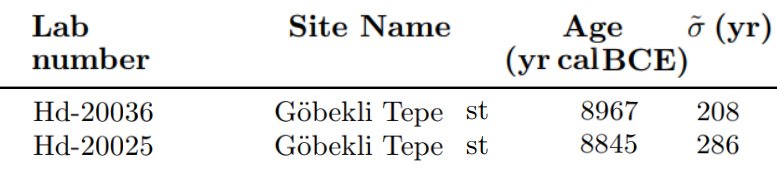 2 September 2026 · MethodHow you actually date a 12,000-year-old building at Göbekli TepeYou cannot radiocarbon-date a stone. So how do archaeologists say Göbekli Tepe is 11,000-plus years old — and how did dating the mortar in one wall show that its monuments and its houses overlapped in time?
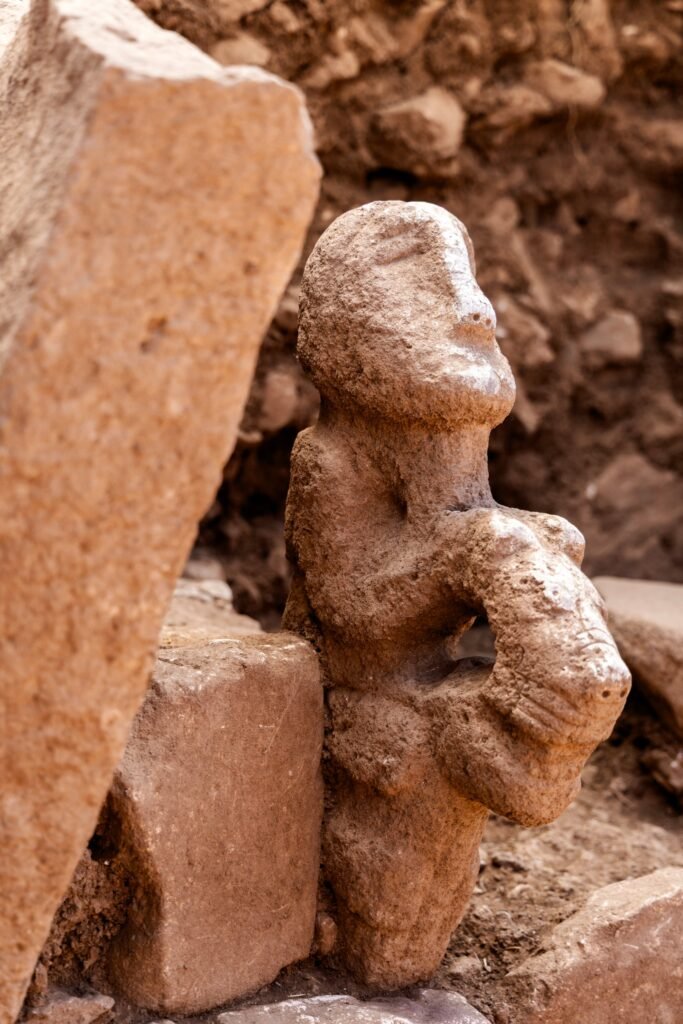 25 August 2026 · Karahan TepeA human riding a leopard: Karahan Tepe's newest statueExcavators at Karahan Tepe have lifted a small stone sculpture of a human figure seated on the back of a leopard — an 11,000-year-old image of a person and a predator fused into one, found on a bench where it was set down in the Neolithic.
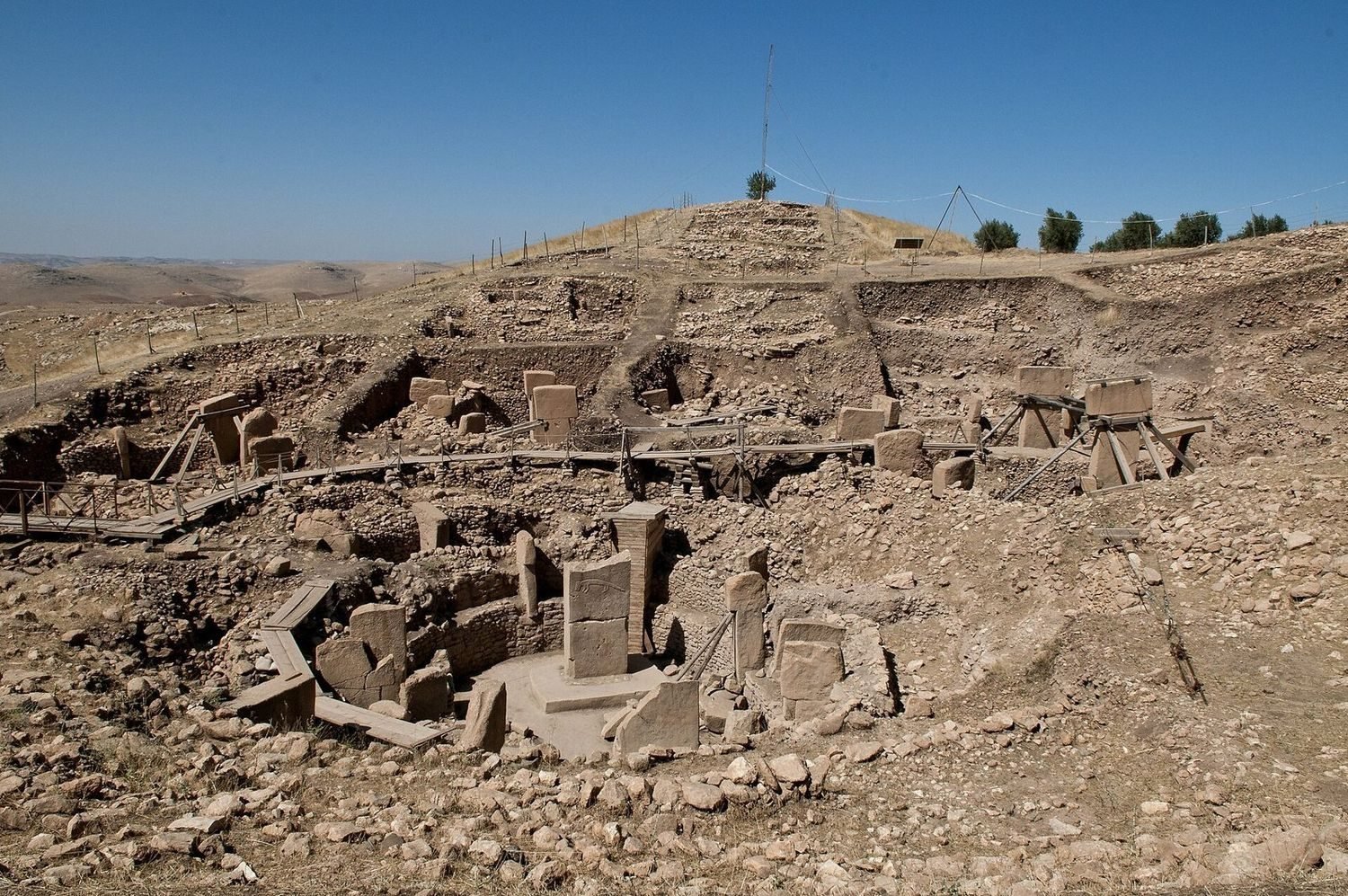 20 August 2026 · Göbekli TepeMost of Göbekli Tepe is still in the groundDecades of digging have exposed only a fraction of the mound. Geophysical survey shows on the order of twenty great enclosures buried across the hill — and, at the current pace, generations of work still ahead.
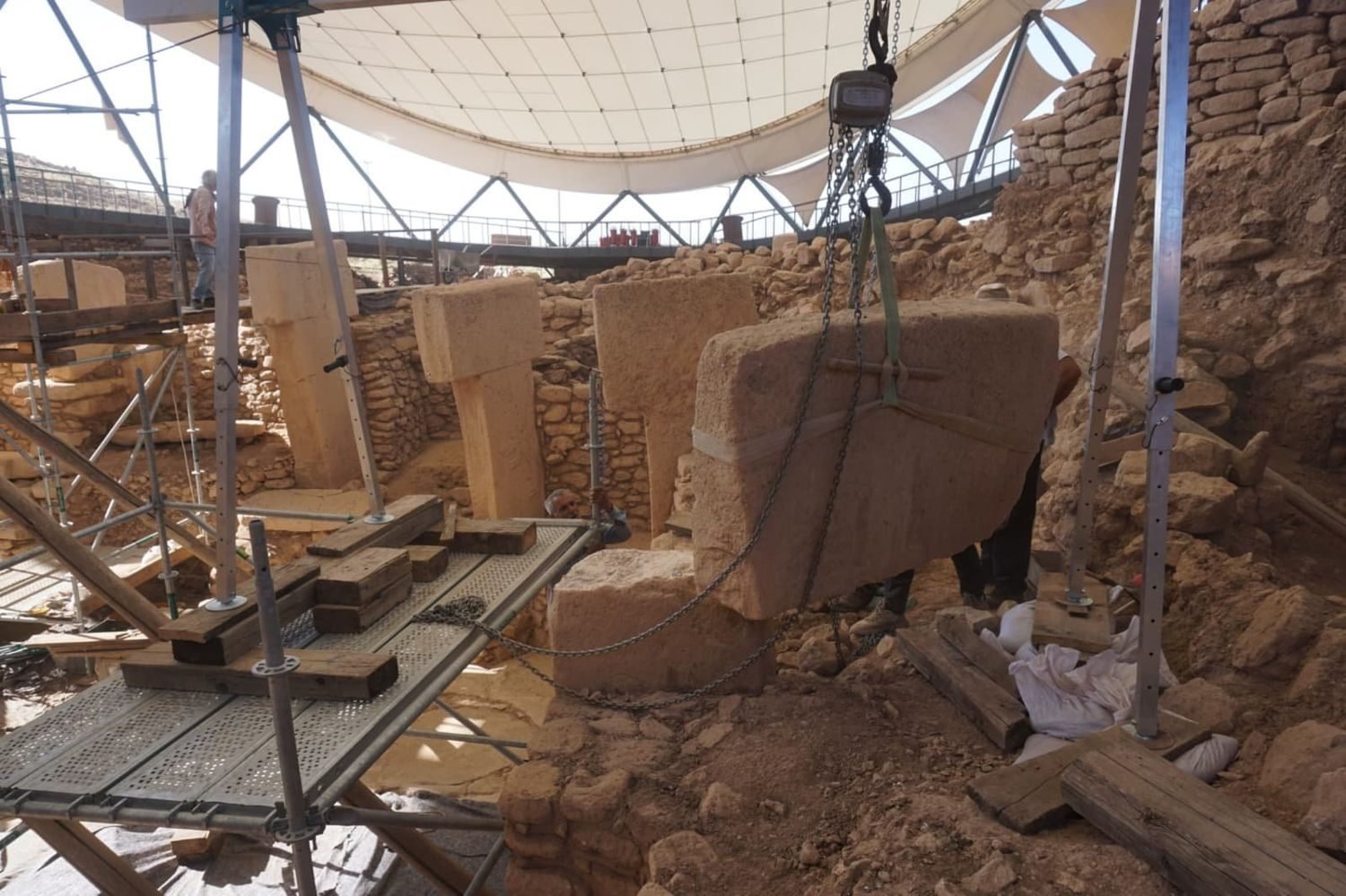 13 August 2026 · Göbekli TepeA new front opens on Göbekli Tepe's north side — and the great pillars get steel cablesThe 2026 season has opened ground on the northern side of the mound for the first time, while conservators run steel cables to the central pillars of Enclosure D to hold them against earthquakes.
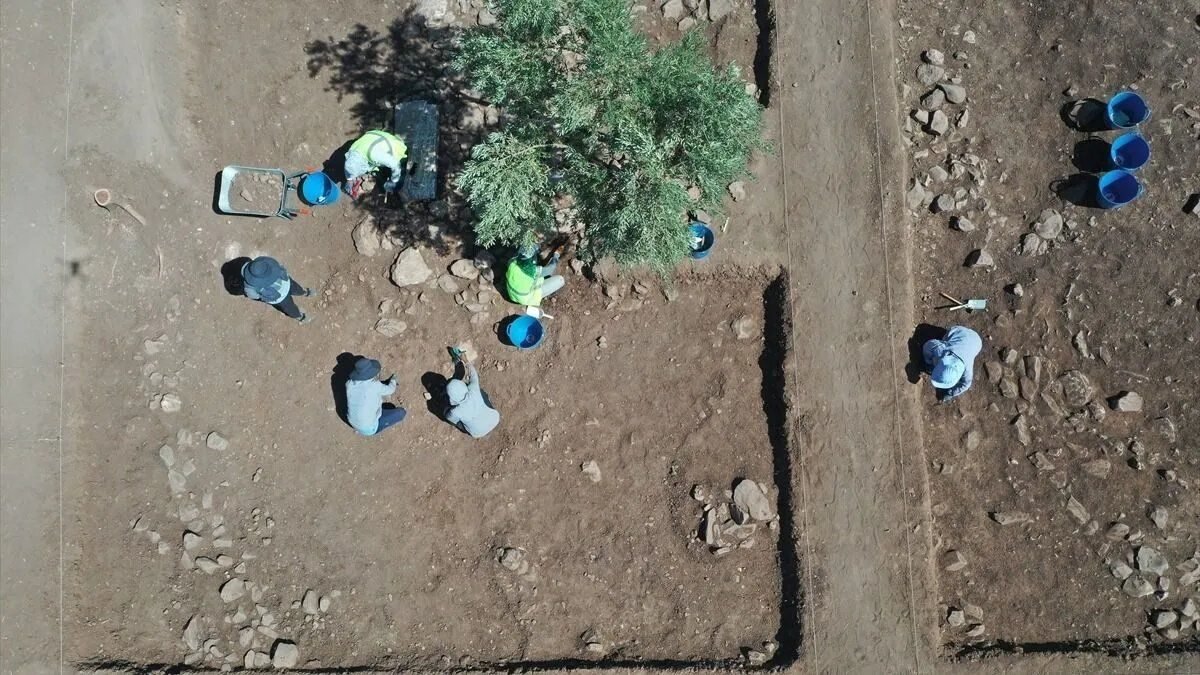 9 August 2026 · YoğunburçChina's first dig in Türkiye opens an untouched site: YoğunburçA Chinese team has begun the first excavation ever carried out at Yoğunburç — the People's Republic of China's first archaeological project in Türkiye, and the first spade in the ground at one of Taş Tepeler's untouched mounds.
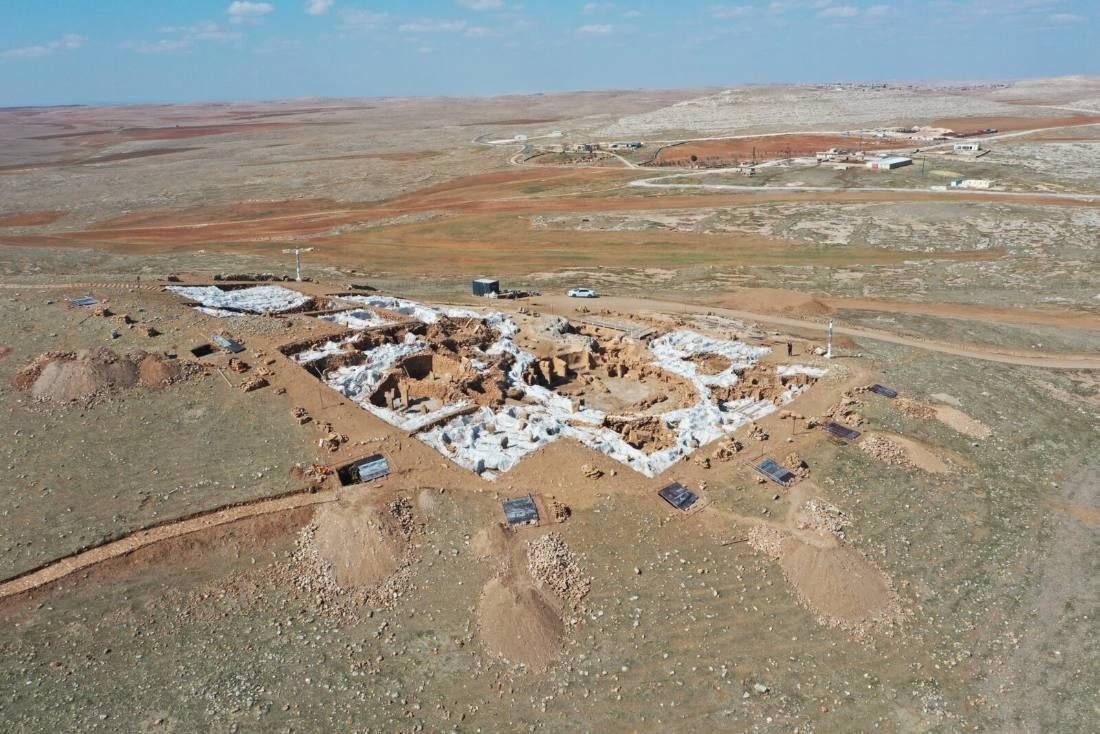 9 August 2026 · Karahan TepeA roof is going up over Karahan TepeA modular protective canopy is being built over Karahan Tepe's excavated core. It will preserve the carvings — and change, area by area, what it feels like to stand in the site under open sky.
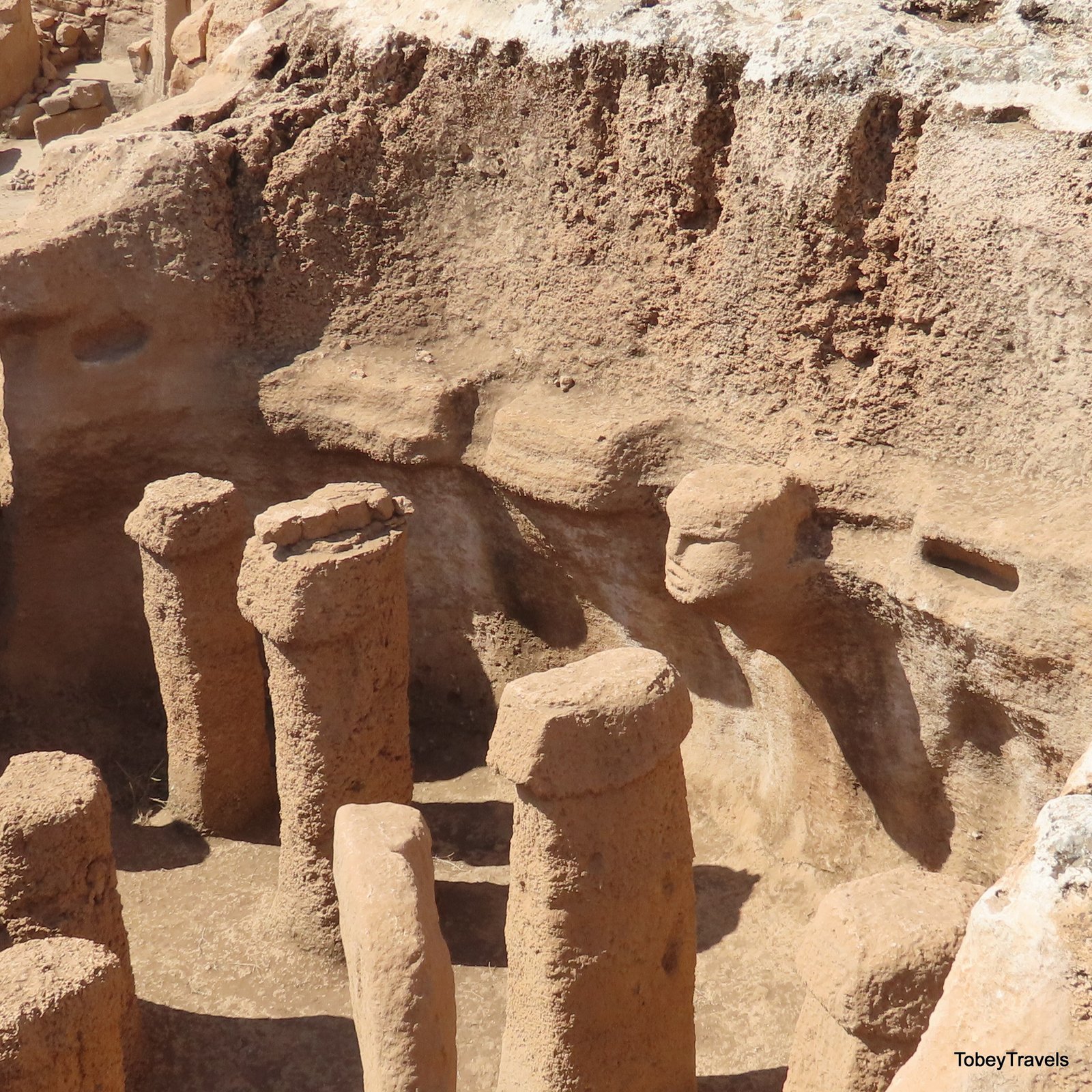 4 August 2026 · Karahan TepeKarahan Tepe's Structure AB was built to be walked throughThe small room at Karahan Tepe known as Structure AB was not made to be looked at from outside — it was made to be entered. Necmi Karul describes a space you climb down into, cross past ten phallic pillars and a watching carved head, and leave by a second stair: architecture built around a rite of passage.
24 July 2026 · Göbekli TepeDid Göbekli Tepe's enclosures have roofs? The excavators think soThe postcard image of Göbekli Tepe — open rings of freestanding stones under the sky — is probably wrong. Lee Clare, who runs the excavation, argues the great buildings were walled and roofed, closer to sunken rooms than to a stone henge.
4 August 2026 · Karahan TepeKarahan Tepe's Structure AB was built to be walked throughThe small room at Karahan Tepe known as Structure AB was not made to be looked at from outside — it was made to be entered. Necmi Karul describes a space you climb down into, cross past ten phallic pillars and a watching carved head, and leave by a second stair: architecture built around a rite of passage.
24 July 2026 · Göbekli TepeDid Göbekli Tepe's enclosures have roofs? The excavators think soThe postcard image of Göbekli Tepe — open rings of freestanding stones under the sky — is probably wrong. Lee Clare, who runs the excavation, argues the great buildings were walled and roofed, closer to sunken rooms than to a stone henge.
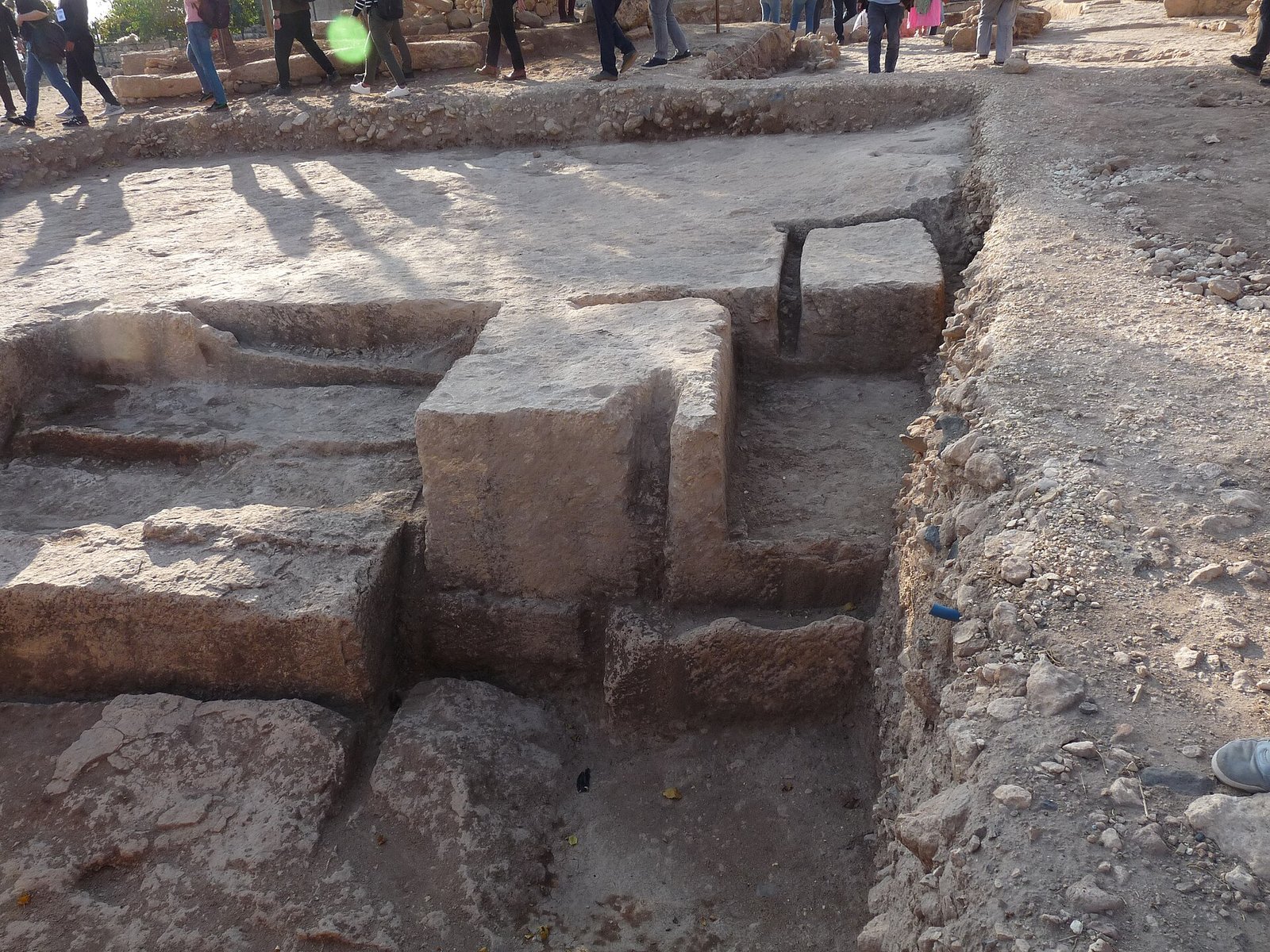 17 July 2026 · SayburçSayburç: why you can't read a single carving on its ownPull a Neolithic carving out of the ground and it will tell you almost any story you want. Eylem Özdoğan, who excavates Sayburç, argues that this is exactly how false and sensational explanations are born — and that the cure is deliberately unglamorous: context.
 10 July 2026 · Taş TepelerWhy the excavators won't call Göbekli Tepe a templeEvery headline calls Göbekli Tepe the world's first temple. The two archaeologists running the region's biggest excavations — Necmi Karul and Lee Clare — both avoid the word, and for the same careful reason.
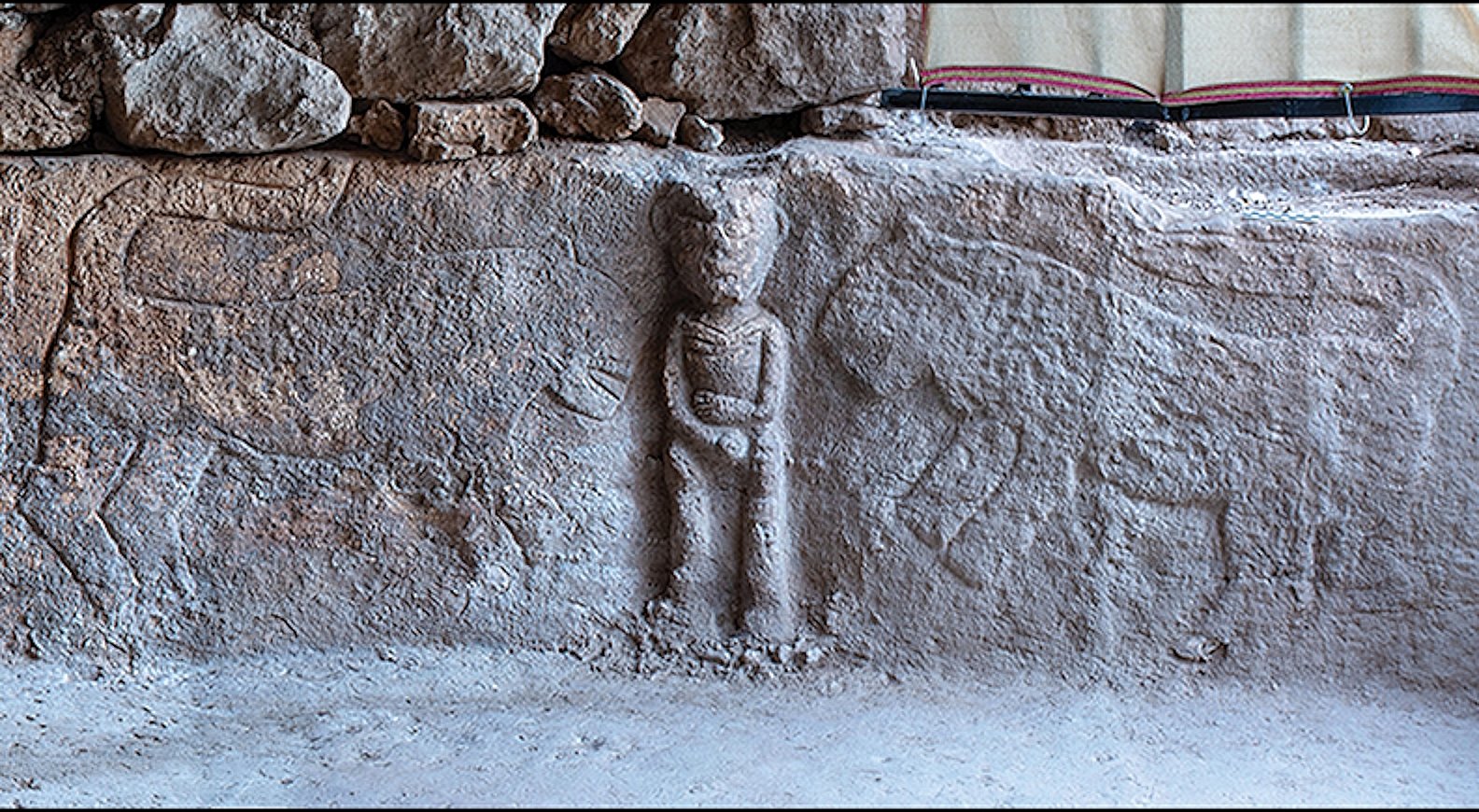 3 July 2026 · SayburçTaş Tepeler's art is overwhelmingly male — and what that doesn't provePhallic pillars at Karahan Tepe, men at Sayburç, almost no women anywhere. Eylem Özdoğan reads that maleness as being about power rather than reproduction — and adds a caution that popular 'fertility cult' accounts leave out.
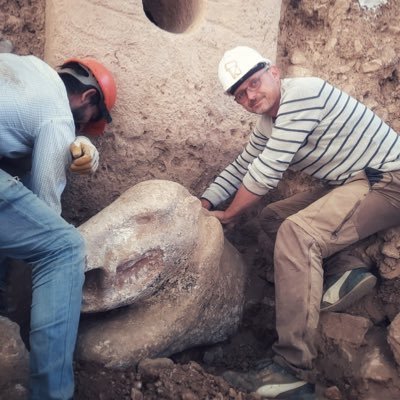 18 June 2026 · Göbekli TepeNo priests, no chiefs: who actually held sway at Göbekli TepeA site this ambitious is often assumed to need rulers to command it. Lee Clare argues the opposite — the evidence for chiefs and a priesthood is missing, and influence more likely ran through hunters, storytellers and ritual experts.
5 June 2026 · SayburçSayburç handled its dead — but has no 'skull cult' like Göbekli TepeGöbekli Tepe gave us the famous skull cult: human skulls carved with grooves and drilled to hang. Sayburç also treated its dead after death, yet its excavator records a careful negative — so far, no hung skulls here. Same regional theme, different rite.
18 June 2026 · Göbekli TepeNo priests, no chiefs: who actually held sway at Göbekli TepeA site this ambitious is often assumed to need rulers to command it. Lee Clare argues the opposite — the evidence for chiefs and a priesthood is missing, and influence more likely ran through hunters, storytellers and ritual experts.
5 June 2026 · SayburçSayburç handled its dead — but has no 'skull cult' like Göbekli TepeGöbekli Tepe gave us the famous skull cult: human skulls carved with grooves and drilled to hang. Sayburç also treated its dead after death, yet its excavator records a careful negative — so far, no hung skulls here. Same regional theme, different rite.
 22 May 2026 · Göbekli TepeGöbekli Tepe's carvings are stories, not a wildlife guideThe foxes, cranes and boars on the pillars are not a Neolithic field guide to local animals. Lee Clare reads them as narrative — images from stories that the people who gathered here already knew.
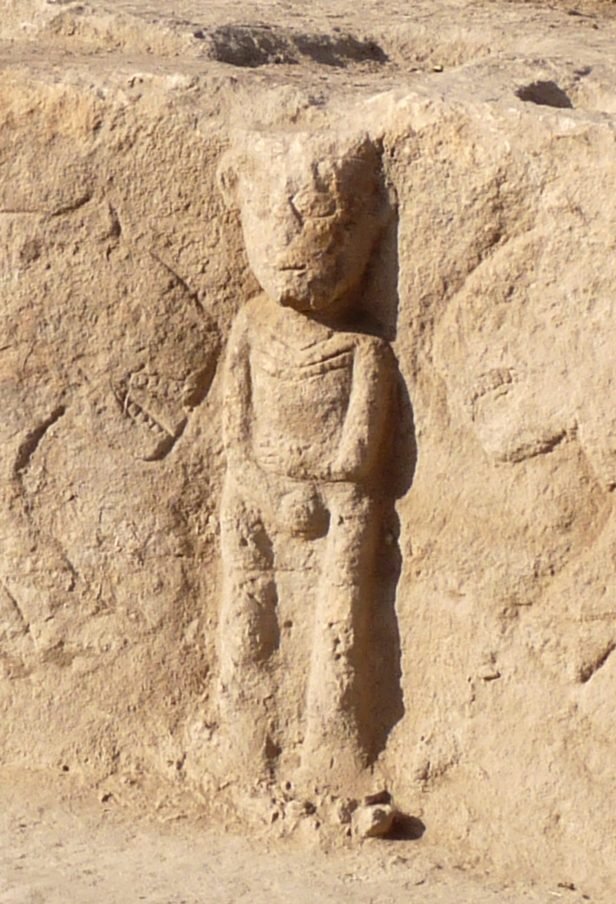 14 May 2026 · SayburçHow Sayburç was built: into the rock, not on top of a planBefore any wall went up, Sayburç's builders met the limestone. Eylem Özdoğan describes buildings set straight onto bedrock, with the rock itself cut, shaped and filled to suit each structure — a way of building that works with the ground rather than flattening it.
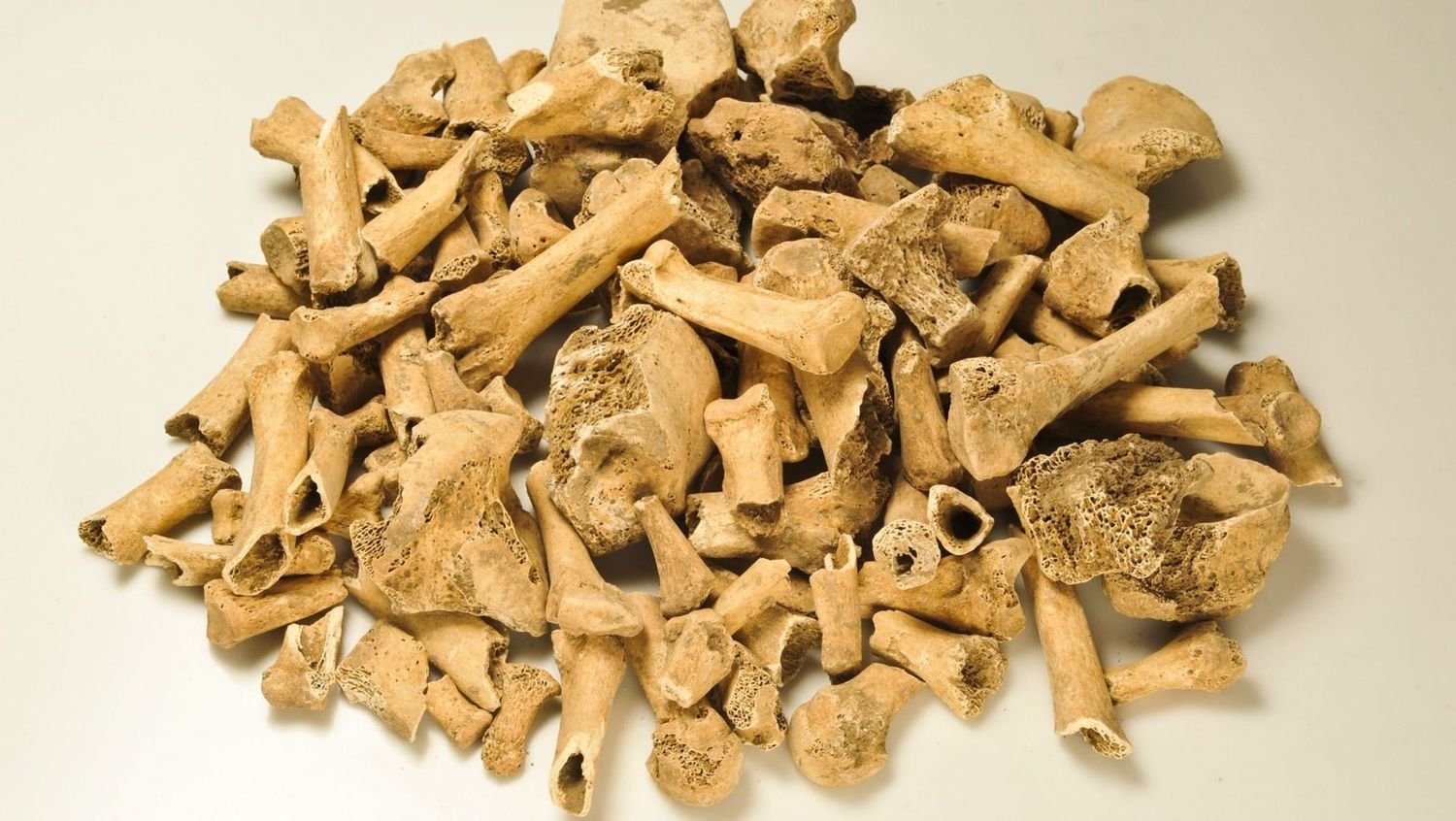 6 May 2026 · Göbekli TepeHow few people are actually buried at Göbekli TepeFor a place used for centuries, the number of dead recovered from Göbekli Tepe is astonishingly small. In a recent interview the excavation director puts it at three burials — four or five individuals — including one found in 2025.
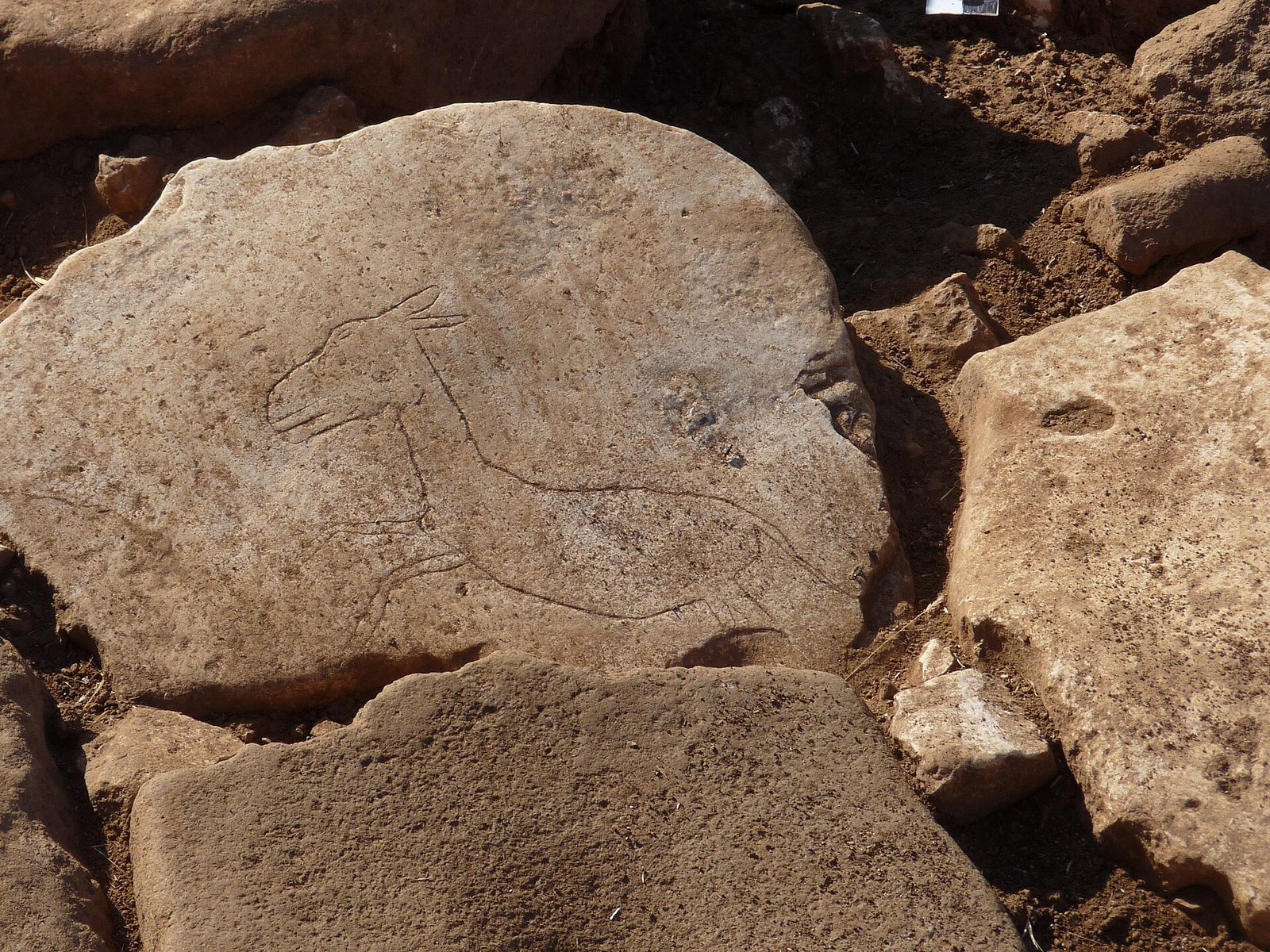 28 April 2026 · Karahan TepeWhat they ate at Karahan Tepe: gazelle, and a surprise of legumesLaboratory work on the last season's finds has sketched the menu at Karahan Tepe 12,000 years ago — heavy on gazelle, and, unexpectedly, on legumes rather than grain.
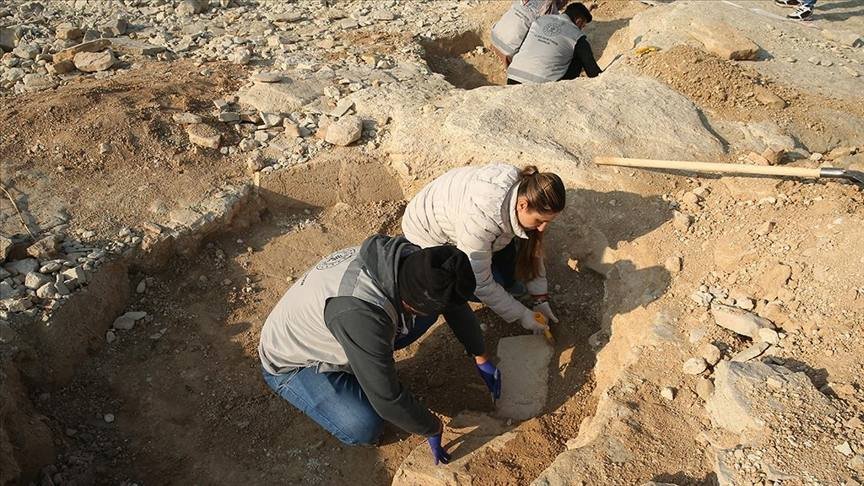 27 January 2026 · AdıyamanThe Taş Tepeler map just got bigger: T-pillars found in AdıyamanFalling water in the Atatürk Dam reservoir has exposed Göbekli-style T-shaped pillars near Samsat — the first sign that this culture reached beyond Şanlıurfa and into the Euphrates basin.
15 January 2026 · Karahan TepeA stone-sealed chamber at Karahan Tepe will be opened this seasonArchaeologists plan to open a sealed section of one of Karahan Tepe's unusual Neolithic buildings during the 2026 season — the first access to a space closed for roughly twelve thousand years.
27 January 2026 · AdıyamanThe Taş Tepeler map just got bigger: T-pillars found in AdıyamanFalling water in the Atatürk Dam reservoir has exposed Göbekli-style T-shaped pillars near Samsat — the first sign that this culture reached beyond Şanlıurfa and into the Euphrates basin.
15 January 2026 · Karahan TepeA stone-sealed chamber at Karahan Tepe will be opened this seasonArchaeologists plan to open a sealed section of one of Karahan Tepe's unusual Neolithic buildings during the 2026 season — the first access to a space closed for roughly twelve thousand years.
 1 December 2025 · Harbetsuvan TepesiHarbetsuvan Tepesi: a Taş Tepeler site with no monumentsA Japanese-led survey has mapped the whole of Harbetsuvan Tepesi — and found a dense warren of fifty-odd small rooms, with none of the great pillars or public enclosures that define its famous neighbours.
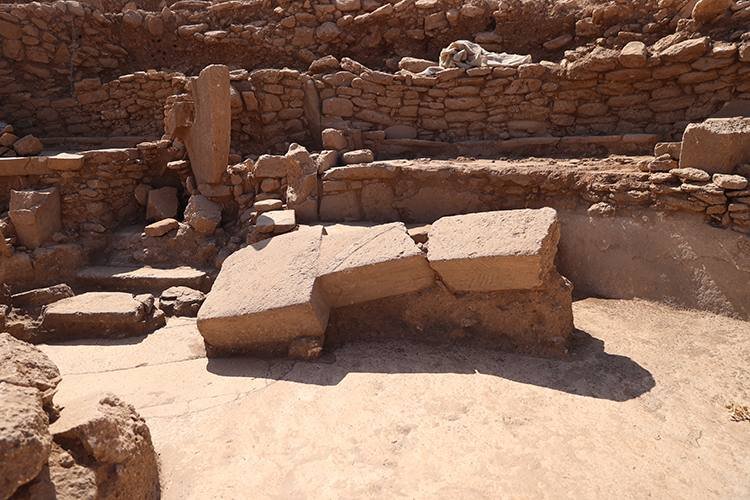 28 November 2025 · Karahan TepeKarahan Tepe's 'amphitheatre': a round hall of tiered stone benchesExcavators have exposed a roughly 17-metre circular building at Karahan Tepe with three curved tiers of stone benching, human heads carved into its walls and seated statues on its floor — a gathering space unlike anything at the site so far.
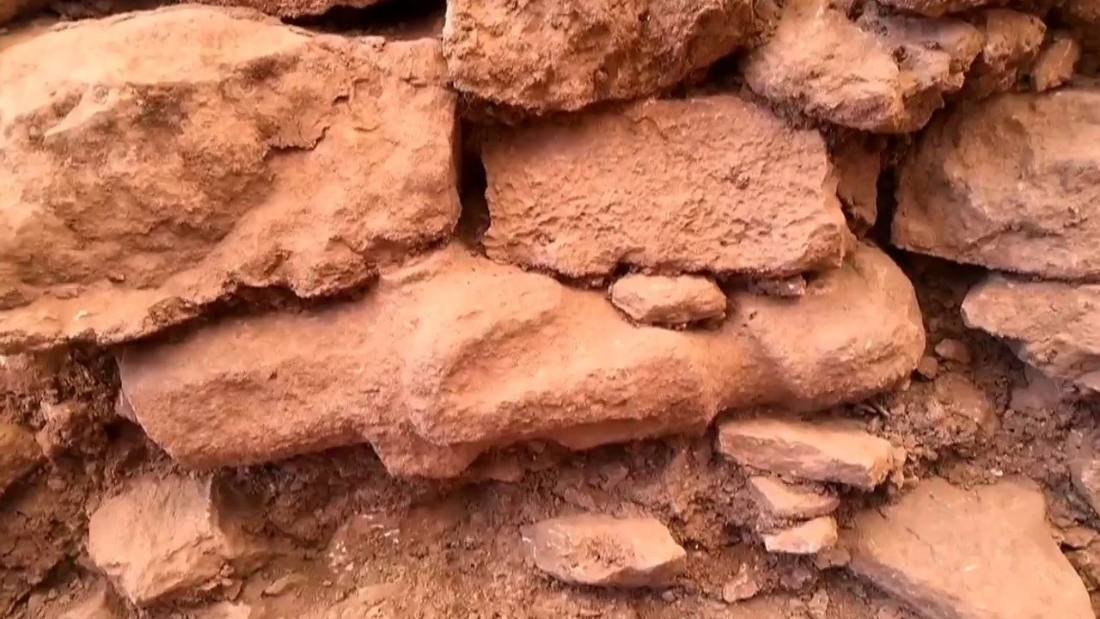 27 November 2025 · Göbekli TepeA human statue surfaces between Göbekli Tepe's Enclosures B and DGöbekli Tepe's 2025 season produced a human figure with clearly defined head and torso — found in the ground between two of the site's best-known enclosures.
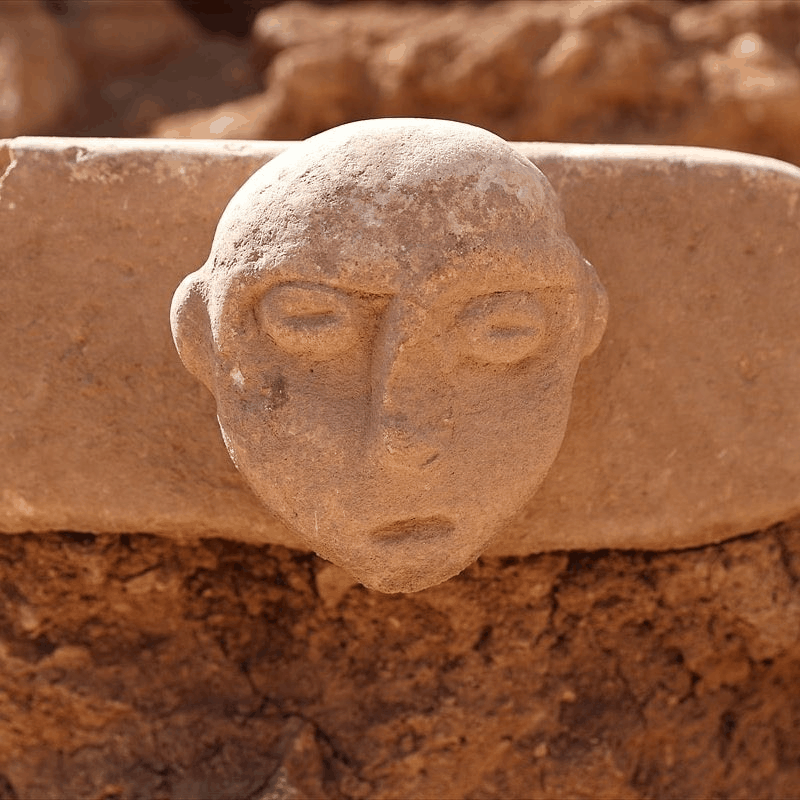 26 November 2025 · SefertepeSefertepe joins the family: two carved faces and a double-sided beadNew finds unveiled at the Taş Tepeler project's fifth-season briefing show Sefertepe carving human faces in its own distinct style — proof the symbolic world reached well beyond Göbekli and Karahan.
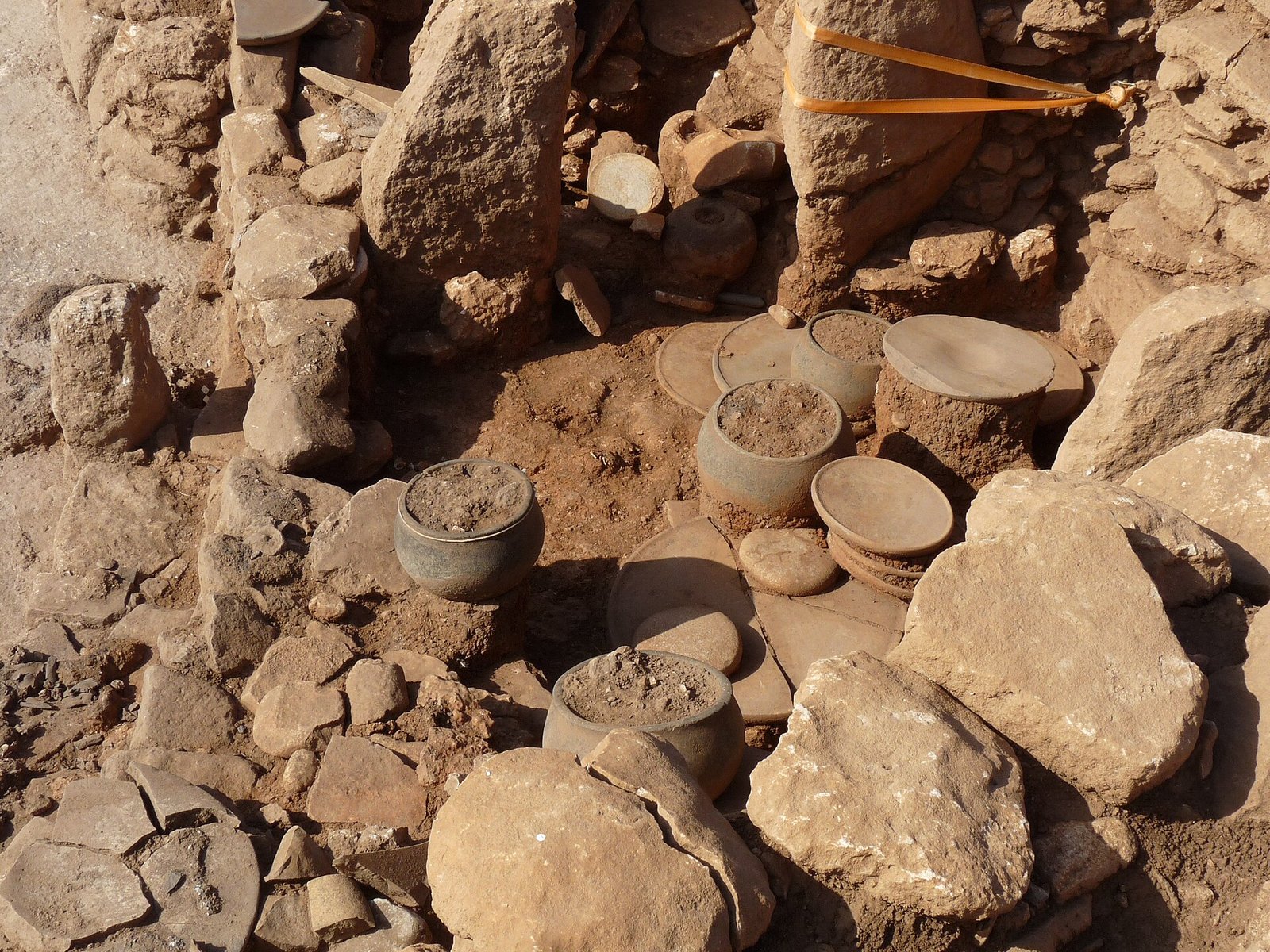 25 November 2025 · Karahan TepeKarahan Tepe's nested vessel: the earliest story told in 3D?Three tiny carved animals — a fox, a vulture and a wild boar — found sealed inside a vessel at Karahan Tepe are being read as one of the first stories ever staged in three dimensions.
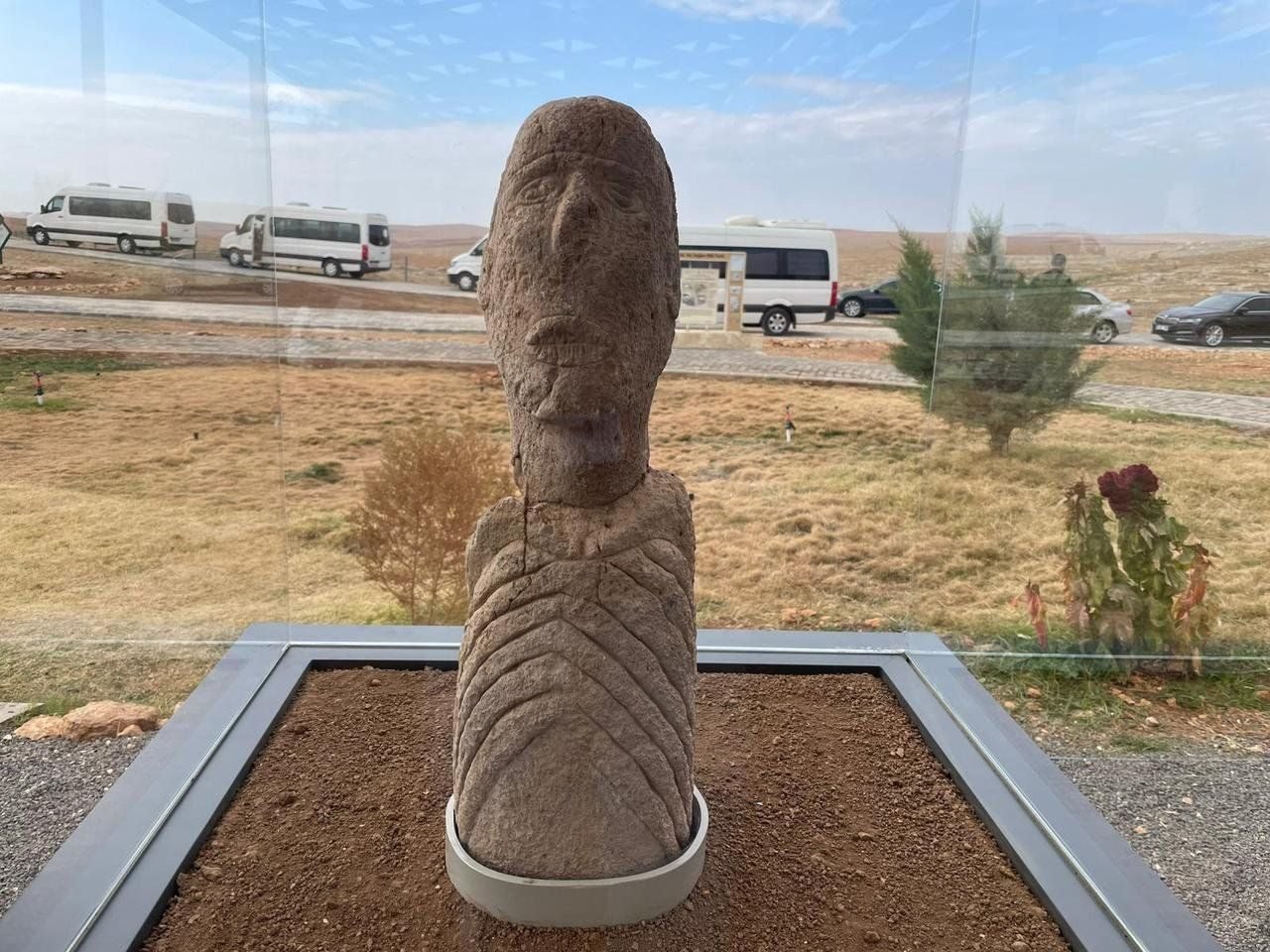 24 November 2025 · SayburçThe stitched-mouth statue of SayburçA carved human figure with a mouth that appears sewn shut, found at Sayburç, is prompting archaeologists to rethink how these communities pictured death — beyond skulls and burials.
18 October 2025 · Karahan TepeThe village beneath Karahan Tepe: thirty Neolithic housesMore than thirty Neolithic houses — with hearths, grinding stones and standing stones inside them — reframe Karahan Tepe as not only a sanctuary but one of the world's earliest villages.
24 November 2025 · SayburçThe stitched-mouth statue of SayburçA carved human figure with a mouth that appears sewn shut, found at Sayburç, is prompting archaeologists to rethink how these communities pictured death — beyond skulls and burials.
18 October 2025 · Karahan TepeThe village beneath Karahan Tepe: thirty Neolithic housesMore than thirty Neolithic houses — with hearths, grinding stones and standing stones inside them — reframe Karahan Tepe as not only a sanctuary but one of the world's earliest villages.
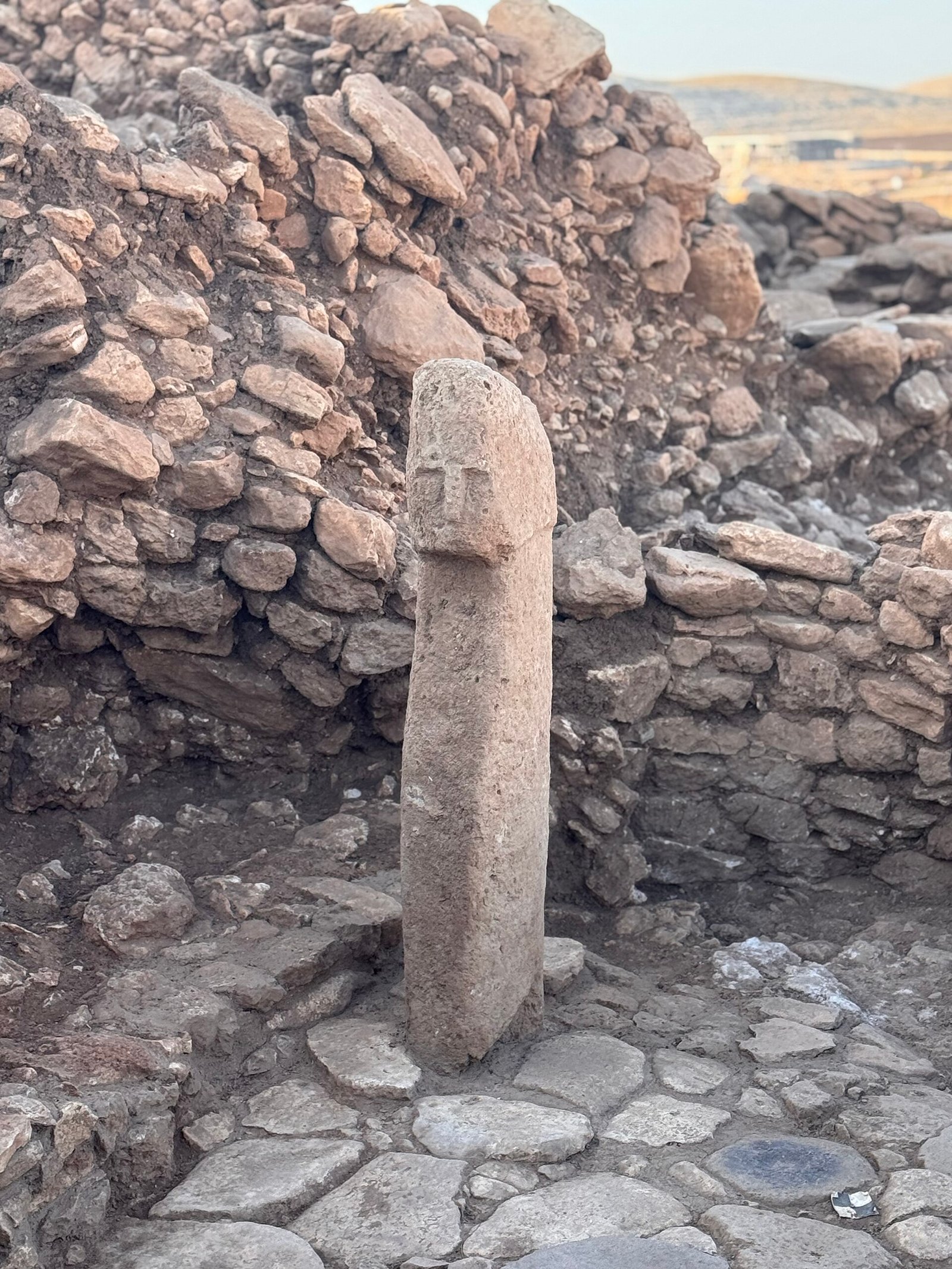 9 October 2025 · Karahan TepeKarahan Tepe: a human face on a T-pillar, for the first timeA T-shaped pillar at Karahan Tepe carved with a human face — a prominent nose, deep-set eyes, an angular jaw — is the first of its kind, and hard evidence that the T-pillars stood for people.
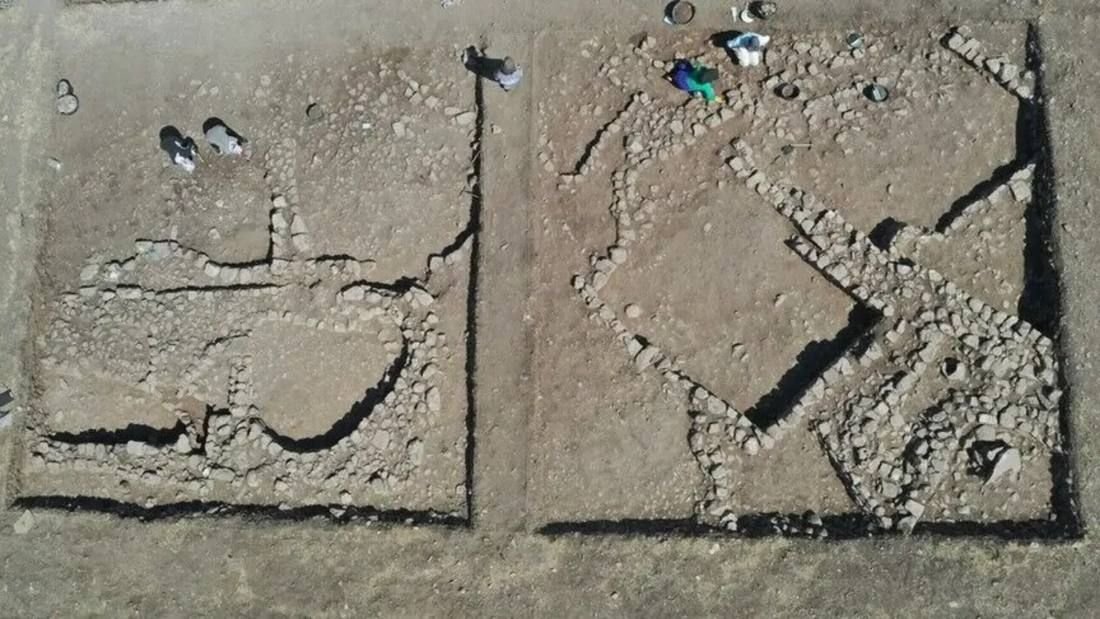 8 October 2025 · Göbekli TepeDid people live at Göbekli Tepe after all? Rectangular buildings suggest homesA newly opened area on the mound's slopes has produced rectangular buildings that the excavators think may be dwellings — reopening the oldest question about the site: was anyone ever at home here?
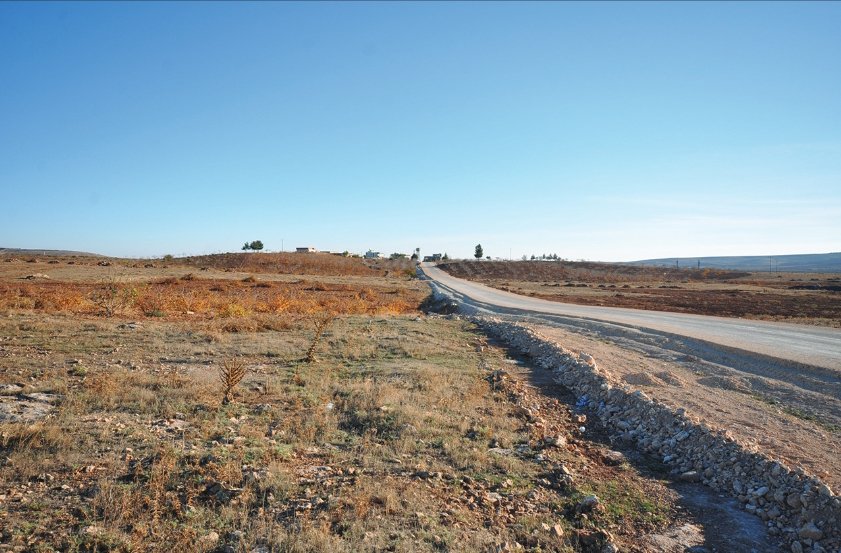 18 September 2025 · Ayanlar HöyükA Japanese princess breaks ground at Ayanlar HöyükPrincess Akiko of Mikasa and Türkiye's culture minister opened excavations at Ayanlar Höyük, expanding the Taş Tepeler project through a new Türkiye–Japan partnership.
7 September 2025 · SayburçFifty buildings at Sayburç: a Neolithic village, not just a shrineExcavations at Sayburç have revealed more than fifty structures of a roughly 10,500-year-old settlement — houses and communal buildings side by side, T-pillars standing in both.
18 September 2025 · Ayanlar HöyükA Japanese princess breaks ground at Ayanlar HöyükPrincess Akiko of Mikasa and Türkiye's culture minister opened excavations at Ayanlar Höyük, expanding the Taş Tepeler project through a new Türkiye–Japan partnership.
7 September 2025 · SayburçFifty buildings at Sayburç: a Neolithic village, not just a shrineExcavations at Sayburç have revealed more than fifty structures of a roughly 10,500-year-old settlement — houses and communal buildings side by side, T-pillars standing in both.
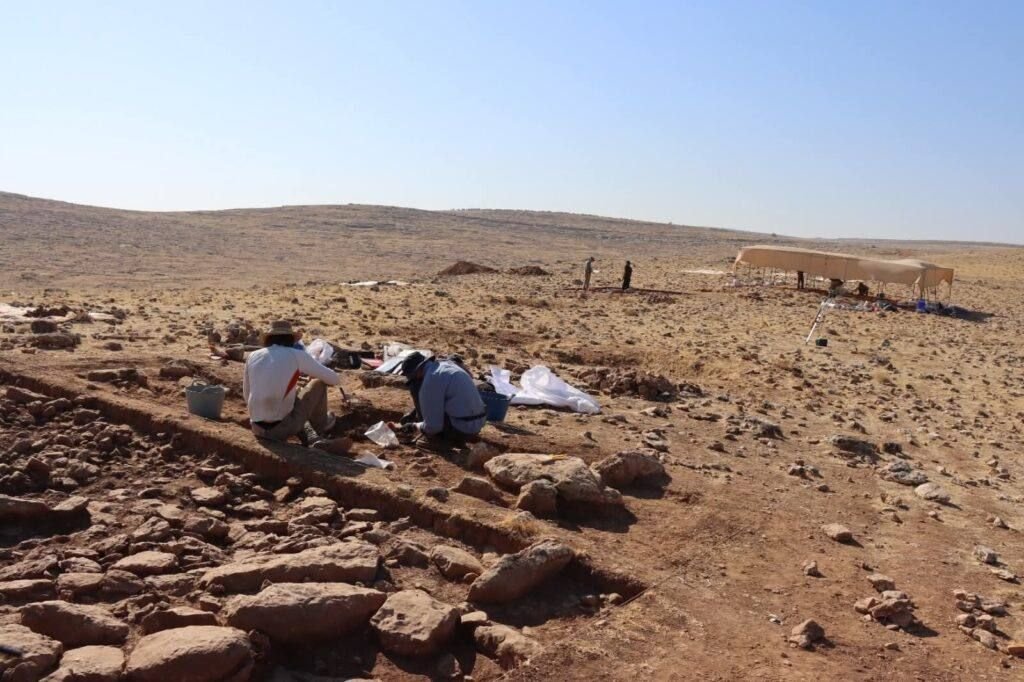 28 August 2025 · Mendik TepeMendik Tepe: a British-led dig on a site that may be older than Göbekli TepeA small mound southwest of Şanlıurfa, excavated by a University of Liverpool team, is throwing up buildings from the very dawn of the Neolithic — possibly earlier than Göbekli Tepe itself.
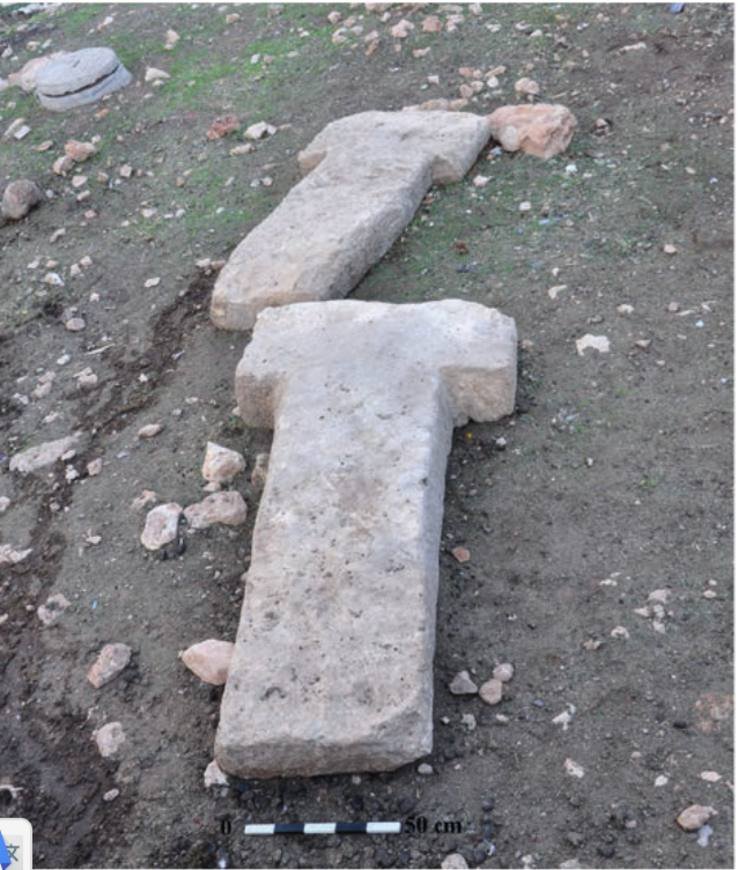 31 May 2025 · Kurt TepesiKurt Tepesi: the T-pillar site almost nobody writes aboutEast of Şanlıurfa, on a ridge above an old mountain pass, sits a small Neolithic mound with its own T-shaped pillars — largely known from survey and from stones pulled out by looters, and barely covered anywhere.
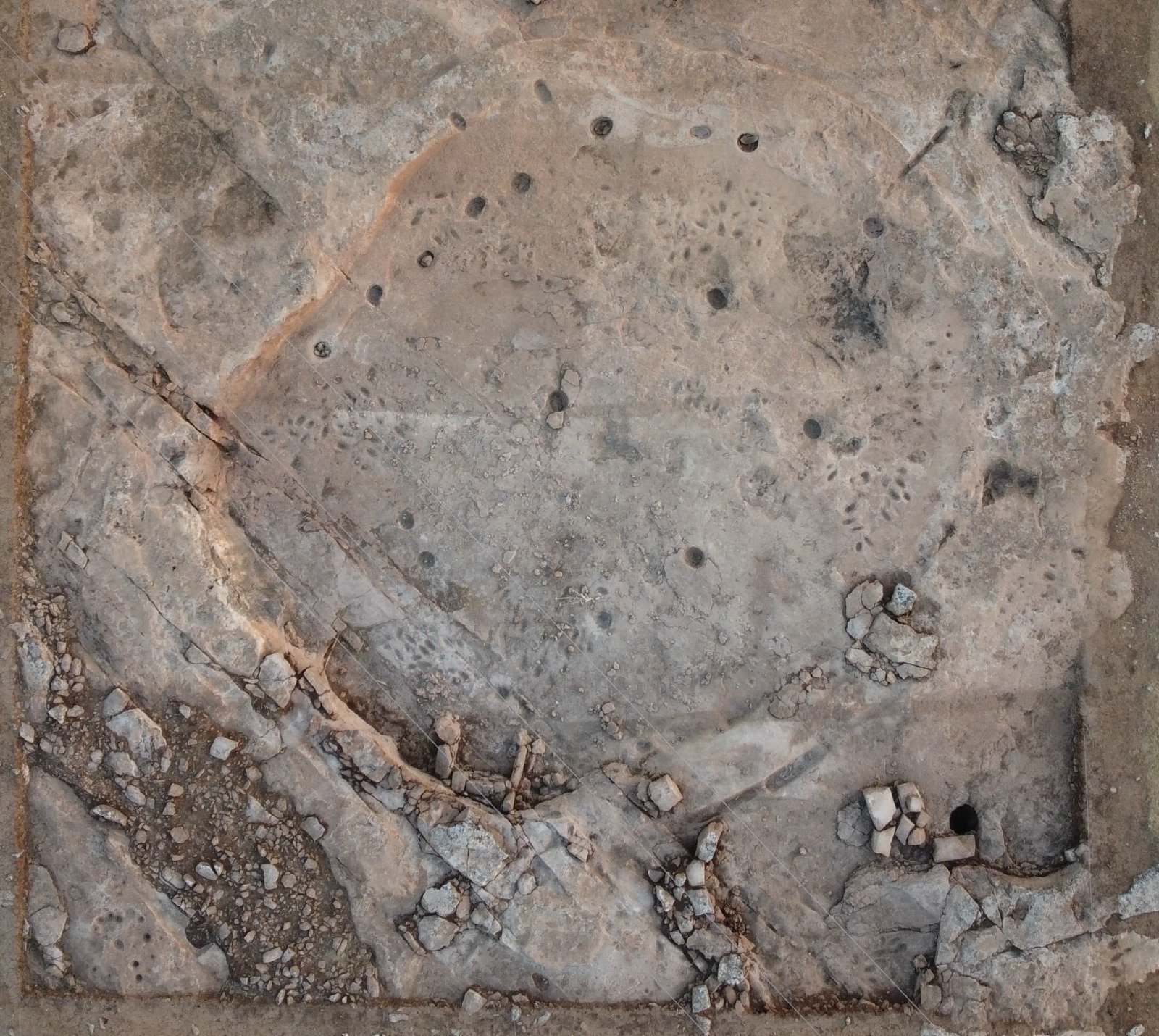 17 December 2024 · ÇakmaktepeÇakmaktepe: an older site where they burned animal skulls into the wallsA few kilometres from Göbekli Tepe, excavators are digging a settlement that may be a thousand years older — with round bedrock houses and a striking ritual: burned wild-animal skulls set into the base of a wall.
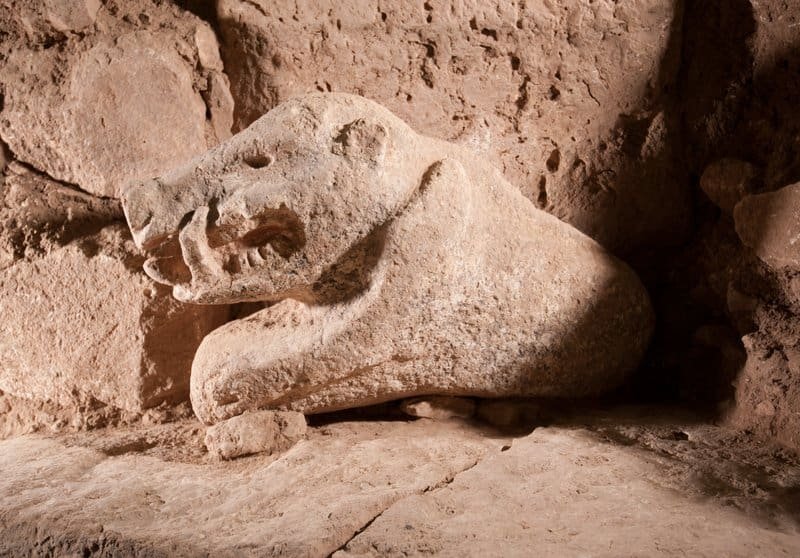 8 October 2023 · Göbekli TepeGöbekli Tepe's painted boar: the first coloured Neolithic statueA life-sized wild boar found in Special Building D still carried red, black and white pigment — the first hard proof that the sculptures of Göbekli Tepe were painted.
8 December 2022 · SayburçThe oldest story ever carved? The Sayburç relief goes publicA five-figure scene carved on a bench at Sayburç, published in Antiquity, is argued to be the earliest known depiction of a narrative in human art.
8 October 2023 · Göbekli TepeGöbekli Tepe's painted boar: the first coloured Neolithic statueA life-sized wild boar found in Special Building D still carried red, black and white pigment — the first hard proof that the sculptures of Göbekli Tepe were painted.
8 December 2022 · SayburçThe oldest story ever carved? The Sayburç relief goes publicA five-figure scene carved on a bench at Sayburç, published in Antiquity, is argued to be the earliest known depiction of a narrative in human art.
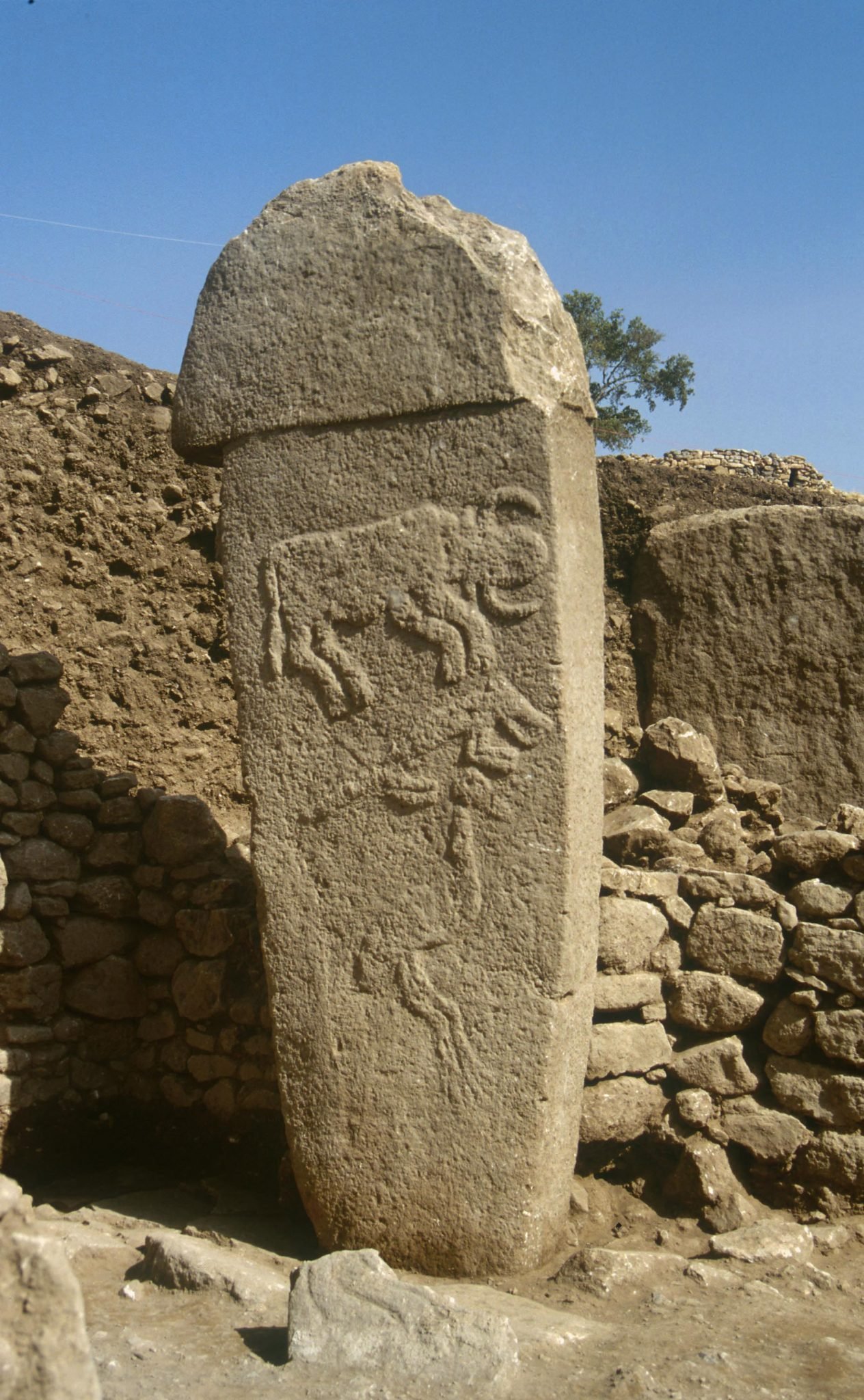 14 November 2016 · Göbekli TepeDances with cranes: did the first ritual performers dress as birds?Göbekli Tepe's crane reliefs are carved with human-like knees — leading the excavation team to a striking idea: that people performed animal masquerades, costumed as cranes.
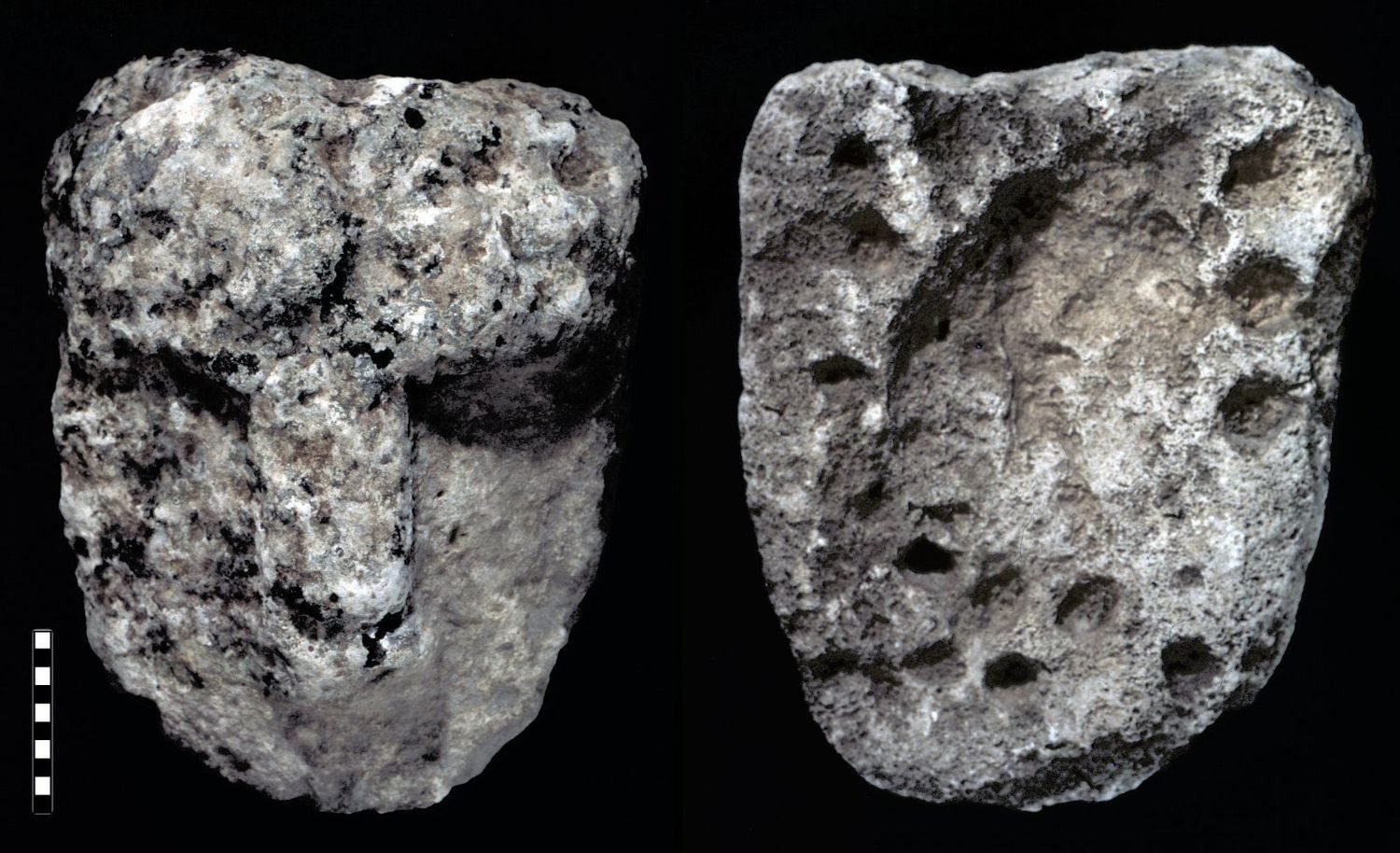 19 December 2018 · Göbekli TepeBehind the mask: the Neolithic faces of Göbekli TepeFrom a small clay face found in Enclosure D to a set of miniature stone masks, Göbekli Tepe's people kept making faces to wear and to hold — among the earliest masks known anywhere.
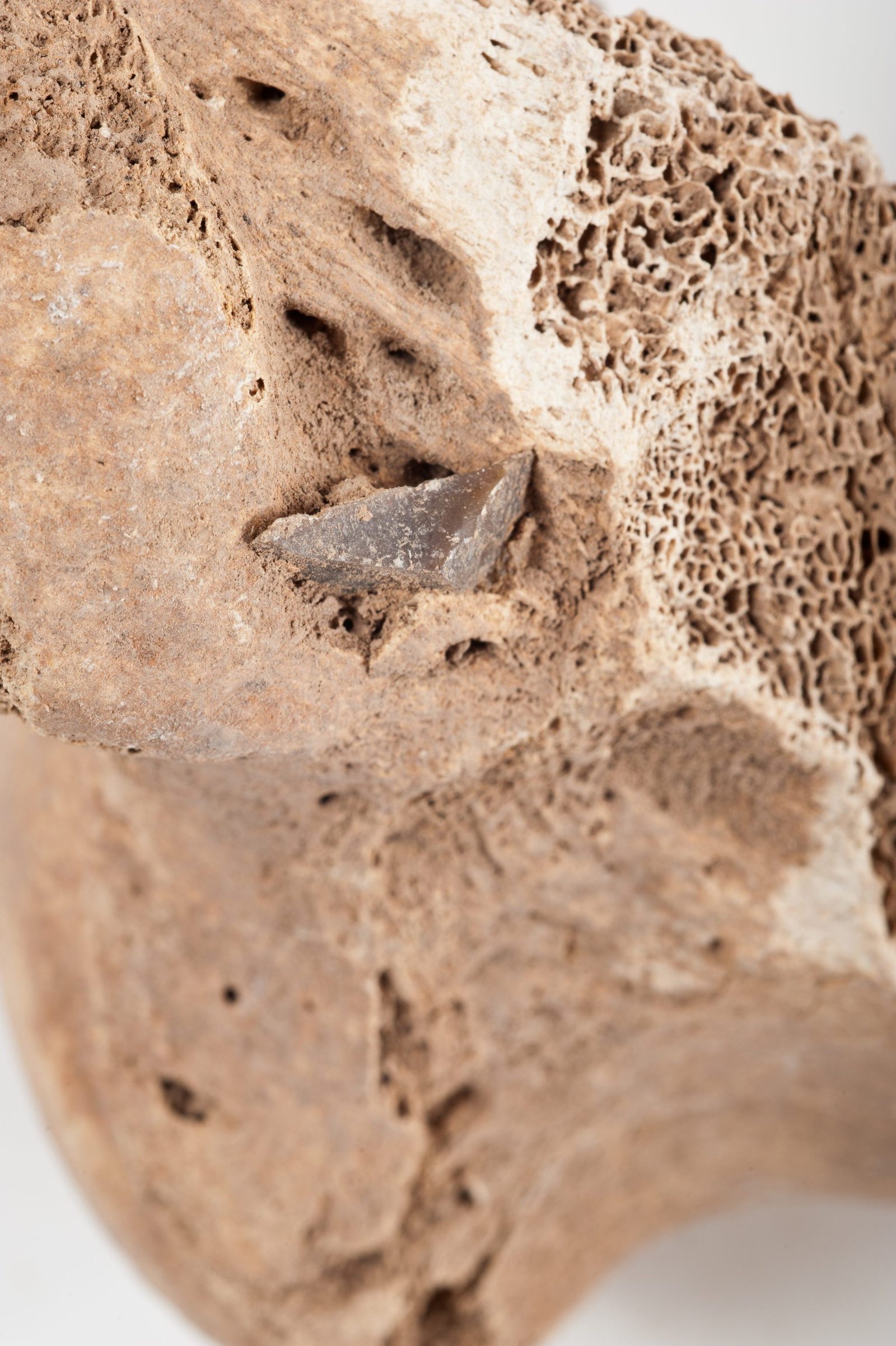 17 January 2018 · Göbekli TepeA 12,000-year-old hunting wound in an aurochs skull at Göbekli TepeAn aurochs bone from Göbekli Tepe still holds the broken tip of a flint projectile — a single, vivid moment from a Neolithic hunt, preserved for twelve thousand years.
10 May 2017 · Göbekli TepeA stairway into Göbekli Tepe's circle of boarsEnclosure C — Göbekli Tepe's most rebuilt ring — was entered down a stone stair, past boars carved to meet whoever came in.
17 January 2018 · Göbekli TepeA 12,000-year-old hunting wound in an aurochs skull at Göbekli TepeAn aurochs bone from Göbekli Tepe still holds the broken tip of a flint projectile — a single, vivid moment from a Neolithic hunt, preserved for twelve thousand years.
10 May 2017 · Göbekli TepeA stairway into Göbekli Tepe's circle of boarsEnclosure C — Göbekli Tepe's most rebuilt ring — was entered down a stone stair, past boars carved to meet whoever came in.
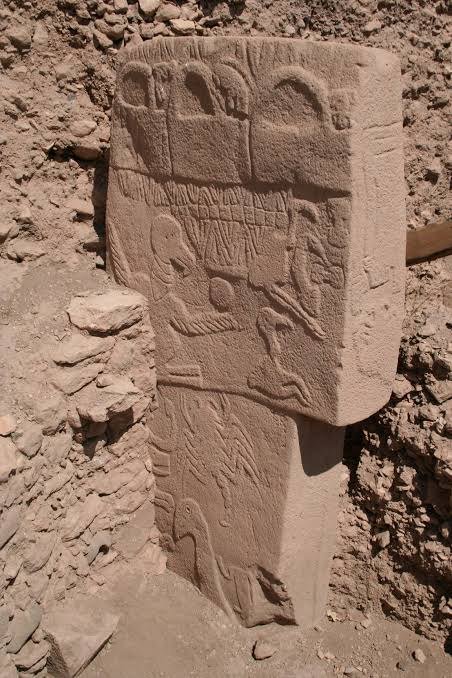 14 October 2016 · Göbekli TepeOf animals and a headless man: reading Göbekli Tepe's Pillar 43The excavation team's own walk-through of the Vulture Stone — the vulture, the scorpion, the 'bags', and the small headless figure that ties the whole scene to death.
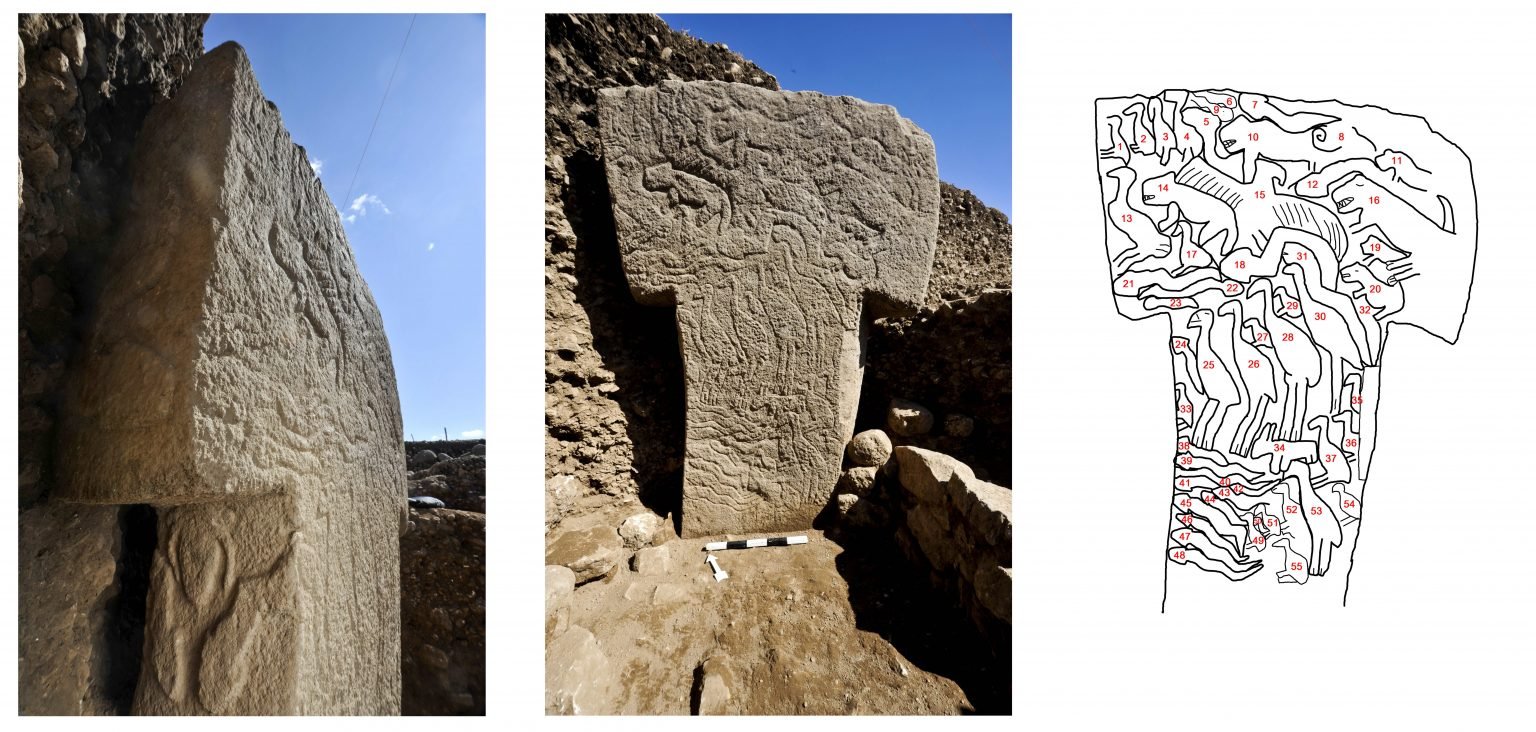 12 December 2016 · Göbekli TepeSnakes and birds: reading Göbekli Tepe's Pillar 56One of Göbekli Tepe's most densely carved pillars packs snakes, birds and other animals across its whole surface — a reminder that these stones could be almost overwhelmingly full.
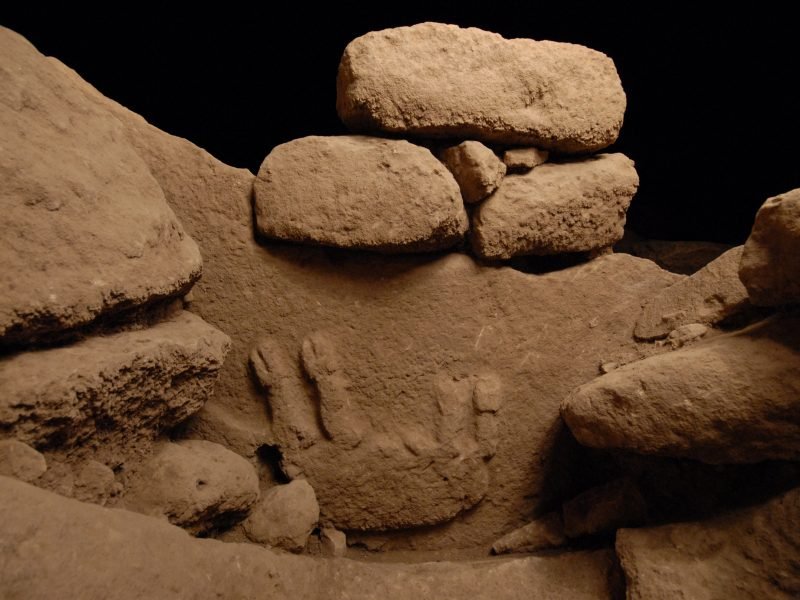 20 March 2017 · Göbekli TepeGuarded by beasts: a Göbekli Tepe porthole stoneA carved 'porthole' stone from Göbekli Tepe — a doorway-like slab flanked by animals — hints that thresholds themselves were watched over.
3 July 2017 · Göbekli TepeMore than a vulture: the team's answer to the comet theoryWhen researchers claimed Pillar 43 encodes a comet strike, Göbekli Tepe's excavators published a point-by-point rebuttal. It's the clearest statement of why the site's own team rejects the idea.
20 March 2017 · Göbekli TepeGuarded by beasts: a Göbekli Tepe porthole stoneA carved 'porthole' stone from Göbekli Tepe — a doorway-like slab flanked by animals — hints that thresholds themselves were watched over.
3 July 2017 · Göbekli TepeMore than a vulture: the team's answer to the comet theoryWhen researchers claimed Pillar 43 encodes a comet strike, Göbekli Tepe's excavators published a point-by-point rebuttal. It's the clearest statement of why the site's own team rejects the idea.
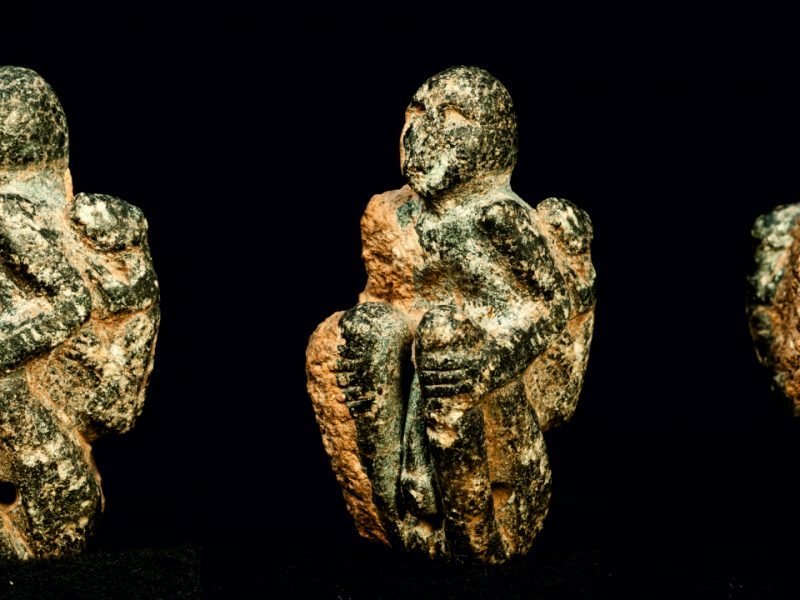 9 August 2017 · Göbekli TepeA new kind of figurine from Göbekli TepeBeyond the monuments, Göbekli Tepe keeps yielding small things — including a figurine type first described by Oliver Dietrich and the late Klaus Schmidt.