Tek Tek Mountains · Şanlıurfa, Türkiye
A small Early Pre-Pottery Neolithic settlement in the Tek Tek Mountains — T-pillars on the surface, but a whole-mound geophysical survey found no monumental buildings at all.
The evidence
Harbetsuvan in depth
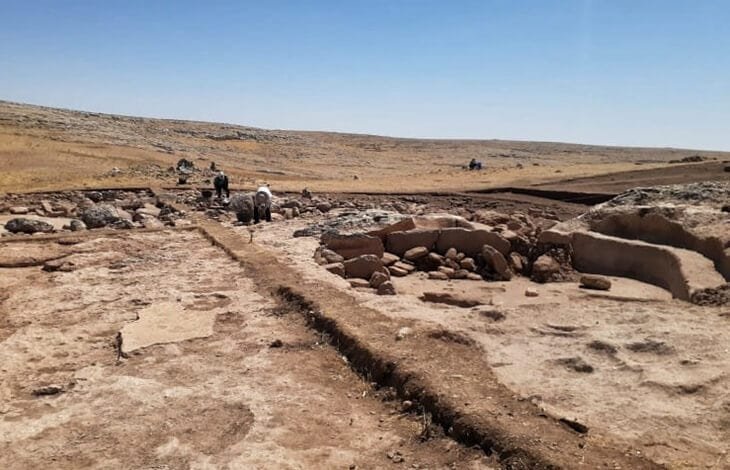
Harbetsuvan Tepesi is a small hilltop site in the Tektek mountains, about 45 km southeast of Şanlıurfa and roughly 7 km from Karahan Tepe, with Göbekli Tepe some 35 km to the northwest. The mound is modest — the exposed archaeology covers only about 5,900 square metres — and dates to the early Pre-Pottery Neolithic B, its assemblage matching the upper levels of Göbekli Tepe.
It was recognised as Neolithic in a 2014 survey and salvage-excavated over three seasons, 2017–2019, by Bahattin Çelik — work driven largely by the need to record areas already damaged by looters.
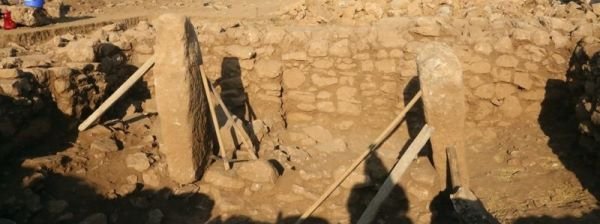
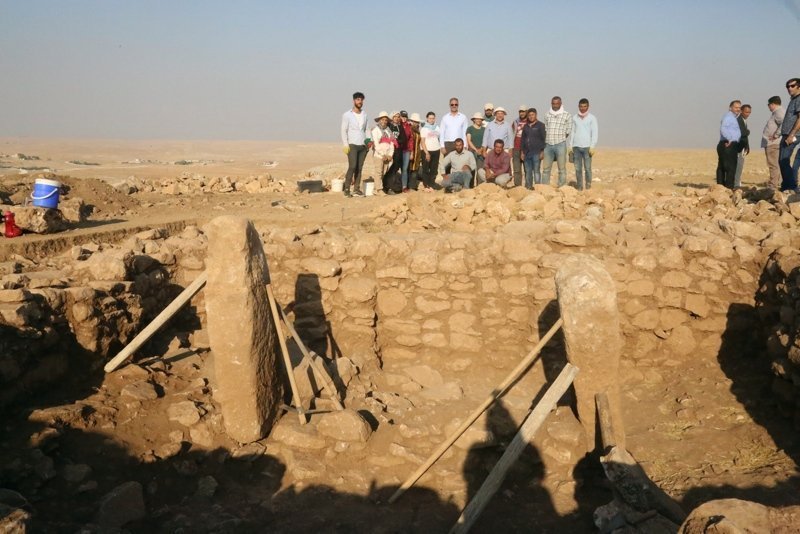
The excavations uncovered rectangular stone buildings, at least one with a central pair of pillars and interior wall buttresses, alongside chipped stone (flint and obsidian), ground stone, bone tools and stone beads. A standout find is a small seated male statue, about 70 cm high, of a type also known from Karahan Tepe and Göbekli Tepe. Many of the raw materials — obsidian, basalt, jadeite — are non-local, tying the site into the wider exchange world.
Çelik originally read Harbetsuvan as a small-scale 'cult centre', a satellite of Karahan Tepe, pointing to a building with T-shaped pillars like Göbekli Tepe's earliest enclosures.
That reading is now contested, which is what makes the site interesting. A newer Japanese-led project (since 2022, led by Kazuya Shimogama with the Chiba Institute of Technology and the University of Tokyo) has turned to geophysical survey — topographic mapping, magnetometry and ground-penetrating radar — to read the whole buried settlement rather than the salvage trenches alone.
So the honest summary is that Harbetsuvan's character — sanctuary, village, or both — is still an open question, with two serious readings on the table and fresh survey data now feeding the debate.
The 2025 report in Archaeological Prospection covers the entire mound, and its picture is strikingly domestic. Beneath about 2.4 metres of deposit the survey mapped a dense cluster of roughly fifty small rectangular rooms, all of broadly similar size, packed into some 2,500 square metres at the centre of the hill.
Crucially, it found no large open courtyards and no oversized, monumental buildings anywhere on the site — nothing on the scale of the great enclosures at Göbekli Tepe or the rock-cut halls of Karahan Tepe. On this evidence Harbetsuvan looks less like a purpose-built sanctuary than like a small, tightly built settlement that happened to include a room or two with T-pillars.
Whichever reading wins, Harbetsuvan is valuable precisely because it is small and ordinary. Most of what the public knows about the Neolithic of Şanlıurfa comes from a handful of spectacular sites; a modest hilltop like this one tests whether the T-pillar tradition was reserved for special centres or was simply part of how people built across the whole landscape.
Its position — close to Karahan Tepe, sharing that site's material culture — makes it a natural satellite to study alongside the giants, a place to ask how a big ceremonial centre related to the smaller communities around it.
Two cautions belong on any honest account. First, the site was already damaged by illegal digging before controlled work began, so parts of its record are lost, and the early excavation was salvage rather than open-area research. Second, the two published readings rest on different kinds of evidence — Çelik's trenches versus the recent geophysics — and the full character of the buildings will only be settled by more excavation.
For now, Harbetsuvan is best held as an open case: a small Pre-Pottery Neolithic settlement, certainly part of the Taş Tepeler world, whose exact meaning is still genuinely undecided.
Inside the site
The full archive
Everything we've documented here — the buildings, the carved finds, and the questions people ask — grouped so you can jump straight to what interests you.
The wider world
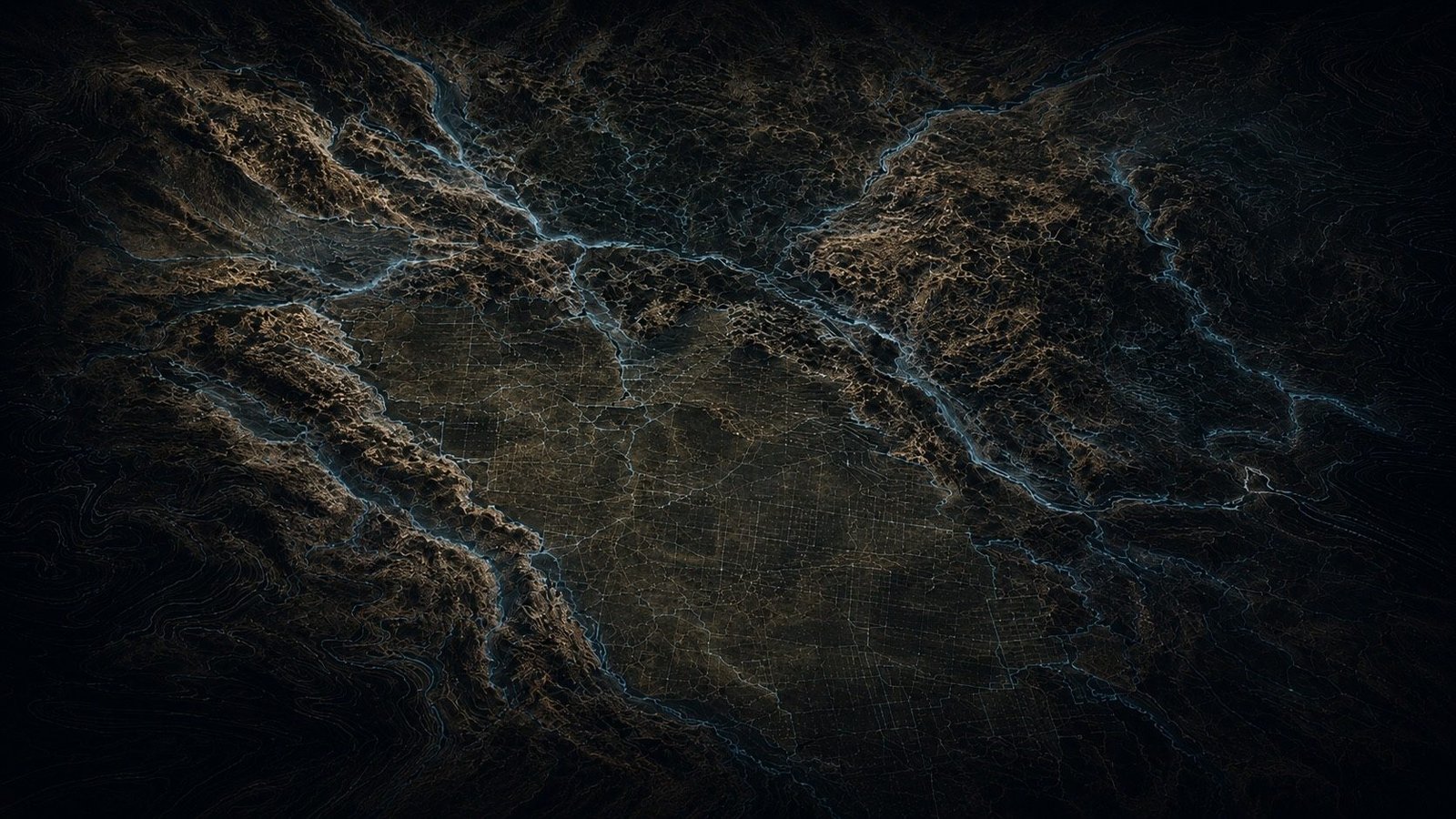
Harbetsuvan sits about 7 km from Karahan Tepe and 35 km from Göbekli Tepe — close enough to belong to the same world, small enough to complicate the story we tell about it.
Visit
Small-group and private tours across the Taş Tepeler landscape, led by people who know the ground.
Full bibliography: the Taş Tepeler reference library →
Last reviewed 7 October 2026. Something wrong?