West of Şanlıurfa · Southeastern Türkiye
A Pre-Pottery Neolithic settlement west of Şanlıurfa, published as a new site in 2017 — decorated stone vessels, blades and ground stone from a large hill only now beginning to be excavated.
The evidence
Ayanlar Höyük in depth
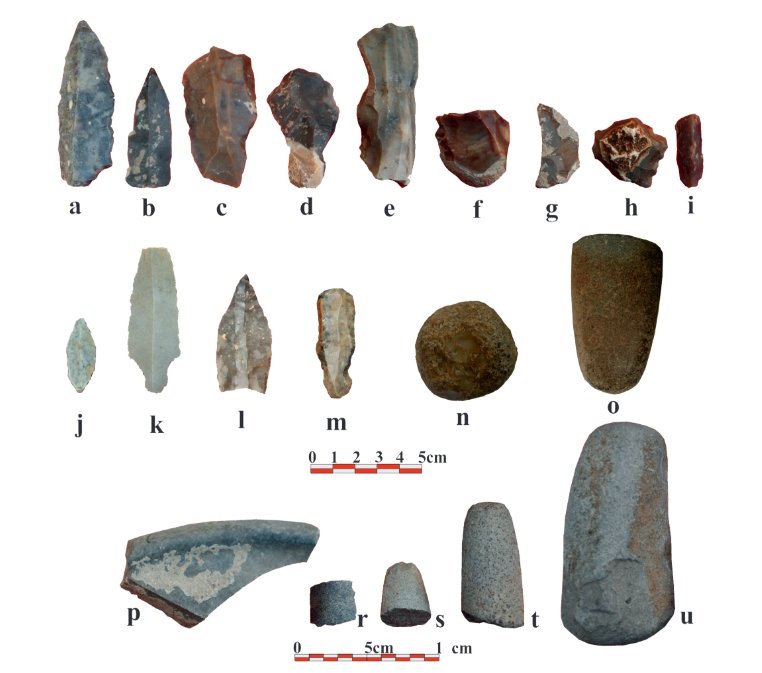
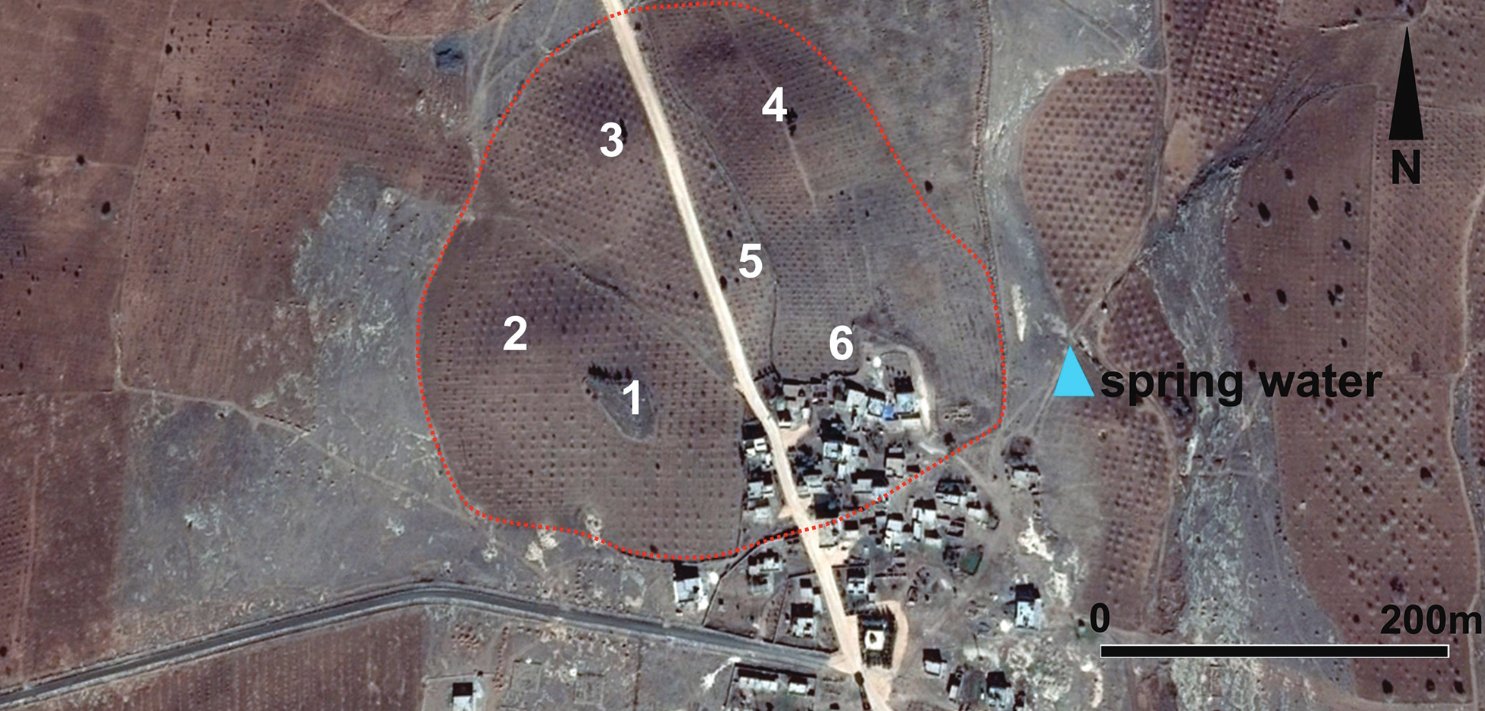
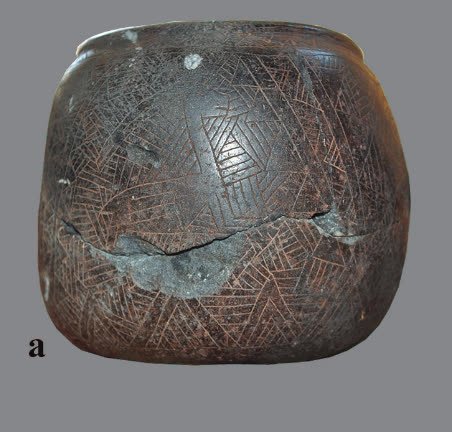
Ayanlar Höyük — also recorded as Gre Hut — is a Pre-Pottery Neolithic mound of about 14 hectares, roughly 30 km west of Şanlıurfa, first recorded in a 2013 survey and introduced to the international literature by Bahattin Çelik in Documenta Praehistorica in 2017. Its published material is dominated by portable finds — blades and chipped-stone implements, ground-stone tools, and a decorated stone vessel — that place it firmly inside the T-pillar world, with a broad earlier-to-middle Pre-Pottery Neolithic B dating.
For years it was known mainly from that survey work. In 2025 it became something more.
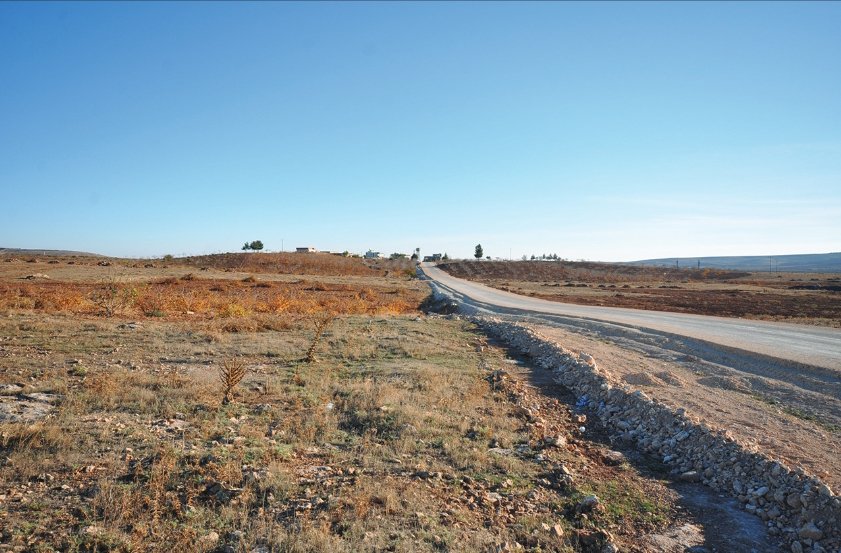
At around 14 hectares, Ayanlar Höyük is a large, multi-layered tell — comparable in extent to Göbekli Tepe and Karahan Tepe — rather than a small satellite hill. Its surface carries a cluster of low hillocks, the kind of undulation that often marks buried buildings underneath, and it sits within reach of a spring, the reliable water that drew Neolithic communities to particular places on the plateau.
That scale is the main reason the site has drawn attention: a mound this size, still essentially unexcavated, is a rare thing in a region otherwise being intensively dug.
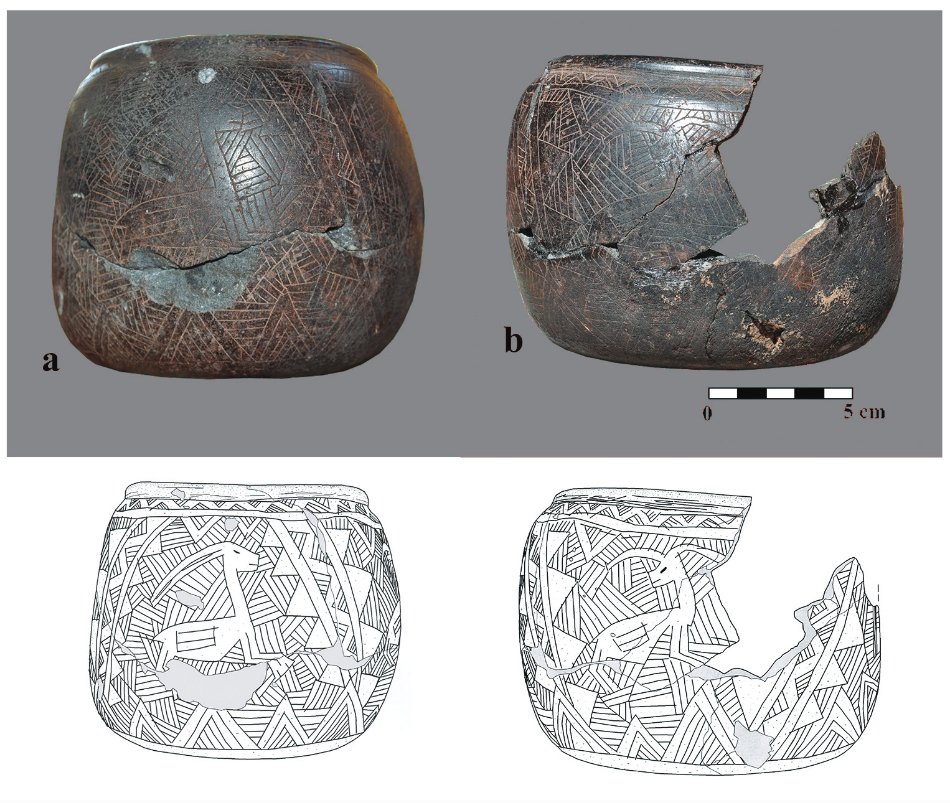
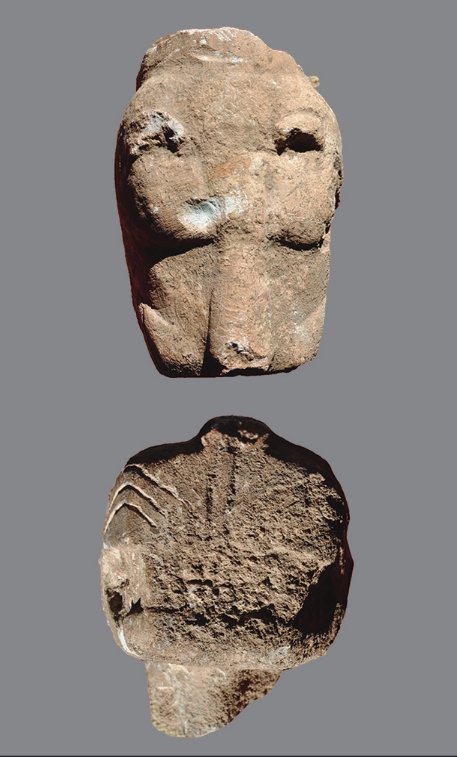
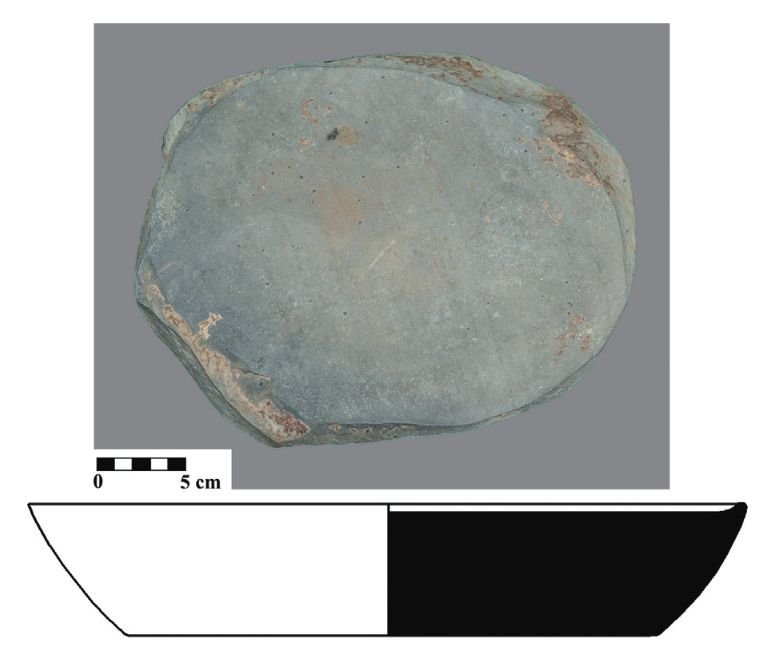
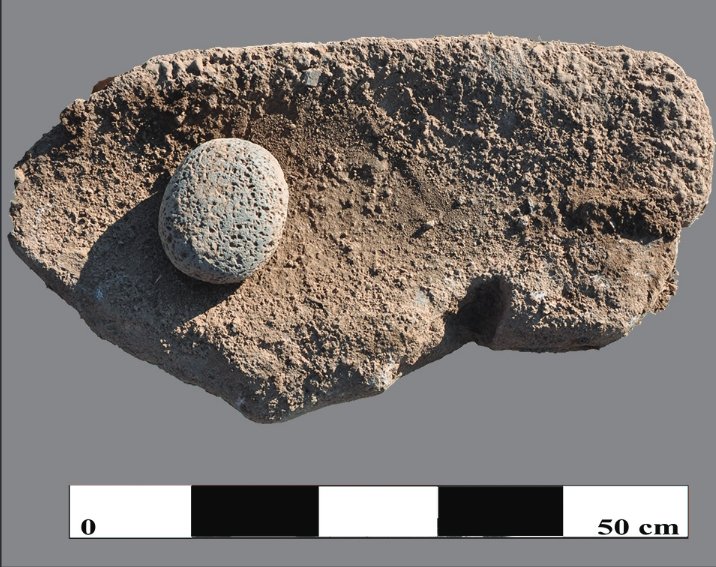
Çelik's 2017 study rests on material from the surface and on three objects held in the Şanlıurfa Museum that were traced back to the mound. The assemblage — projectile points and blades in flint and obsidian, grinding stones, a fragment of an animal (leopard-head) sculpture, and above all a finely decorated stone vessel — closely matches finds from Körtik Tepe, Göbekli Tepe, Nevalı Çori and Karahan Tepe.
On that basis Ayanlar Höyük is dated to between the early and middle Pre-Pottery Neolithic B. It is important to be clear that this is a dating from portable finds and typology, not yet from stratified, radiocarbon-dated deposits.
In September 2025, Ayanlar Höyük became one of the newest active sites in the Taş Tepeler project, opened under a Türkiye–Japan partnership. The excavation is run by the Chiba Institute of Technology together with the Japanese Institute of Anatolian Archaeology and the University of Tokyo Museum, with Prof. Yoshihiro Nishiaki among the senior scholars.
Her Imperial Highness Princess Akiko of Mikasa and Türkiye's Minister of Culture and Tourism marked the groundbreaking on 19 September 2025, using the same ceremonial hoe first wielded by the Princess's grandfather at Kaman-Kalehöyük forty years earlier. A dedicated excavation house was inaugurated the next day as the team's base.
Because fieldwork has only just begun, published results are still to come — the detailed picture of the site rests, for now, on Çelik's 2017 survey rather than on the new dig. Taş Tepeler's coordinator Necmi Karul has suggested the mound may hold ritual or communal structures comparable to those at Göbekli Tepe and Karahan Tepe, but that remains an expectation, not a finding.
Its full extent, architecture, internal phasing and absolute chronology are all still to be established — a profile that should fill out quickly in the seasons ahead.
Whatever the digging reveals, Ayanlar Höyük already does one useful thing: it stretches the known Taş Tepeler network to the west, away from the Tek Tek Mountains cluster that holds Karahan Tepe and Harbetsuvan. A large mound in that direction helps show that the Pre-Pottery Neolithic world of Şanlıurfa was not a few isolated centres but a dense, connected landscape of communities sharing tools, symbols and stone.
It is, for now, a promise rather than a proof — but it is exactly the kind of site whose first seasons tend to change the map.
Inside the site
The full archive
Everything we've documented here — the buildings, the carved finds, and the questions people ask — grouped so you can jump straight to what interests you.
The wider world
Ayanlar Höyük extends the known Taş Tepeler network westward, away from the Tek Tek Mountains cluster that holds Karahan Tepe and Harbetsuvan.
Visit
Small-group and private tours across the Taş Tepeler landscape, led by people who know the ground.
Full bibliography: the Taş Tepeler reference library →
Last reviewed 7 October 2026. Something wrong?