Ayanlar · Structure
The 2025 excavation area at Ayanlar Höyük
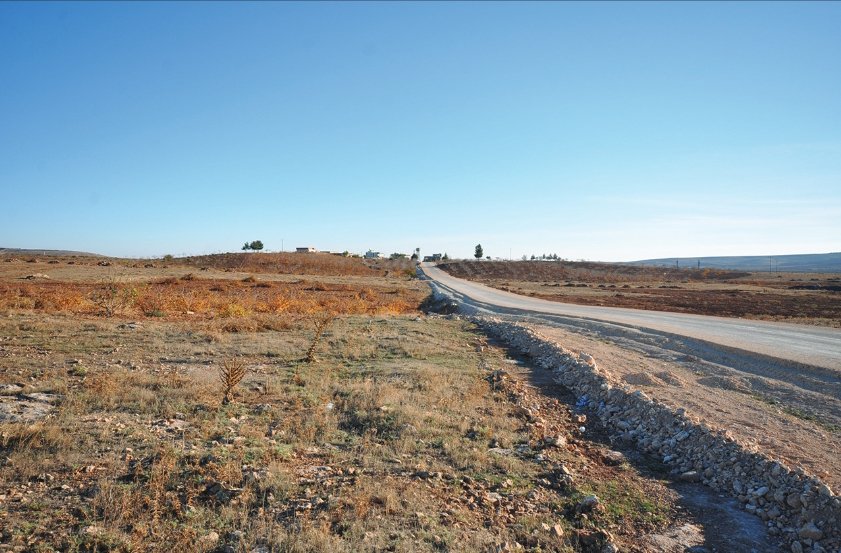
The trench opened in September 2025, when a Turkish–Japanese team put the first trowel into a large mound previously known almost entirely from surface finds.
Ayanlar · Structure
The trench opened in September 2025, when a Turkish–Japanese team put the first trowel into a large mound previously known almost entirely from surface finds.
01
02
This page is best read as a live excavation profile rather than a documented building. Ayanlar Höyük — also known locally as Gre Hut — lies about 30 km west of Şanlıurfa, and until 2025 everything published about it came from surface collection recorded by Bahattin Çelik in 2017. On 19 September 2025, excavation formally opened with a ceremonial first strike by Türkiye's culture minister Mehmet Nuri Ersoy and Princess Akiko of Mikasa of Japan, within the Taş Tepeler programme coordinated by Necmi Karul and backed on the Japanese side by the University of Tokyo and the Chiba Institute of Technology.
Because the trench is new, its structure plans, phases and object contexts are not yet ready for deep public claims. What can honestly be said is that a permanent international team is now working ground that had only ever been surface-surveyed — so this is precisely the part of the Ayanlar story most likely to change season by season.
03
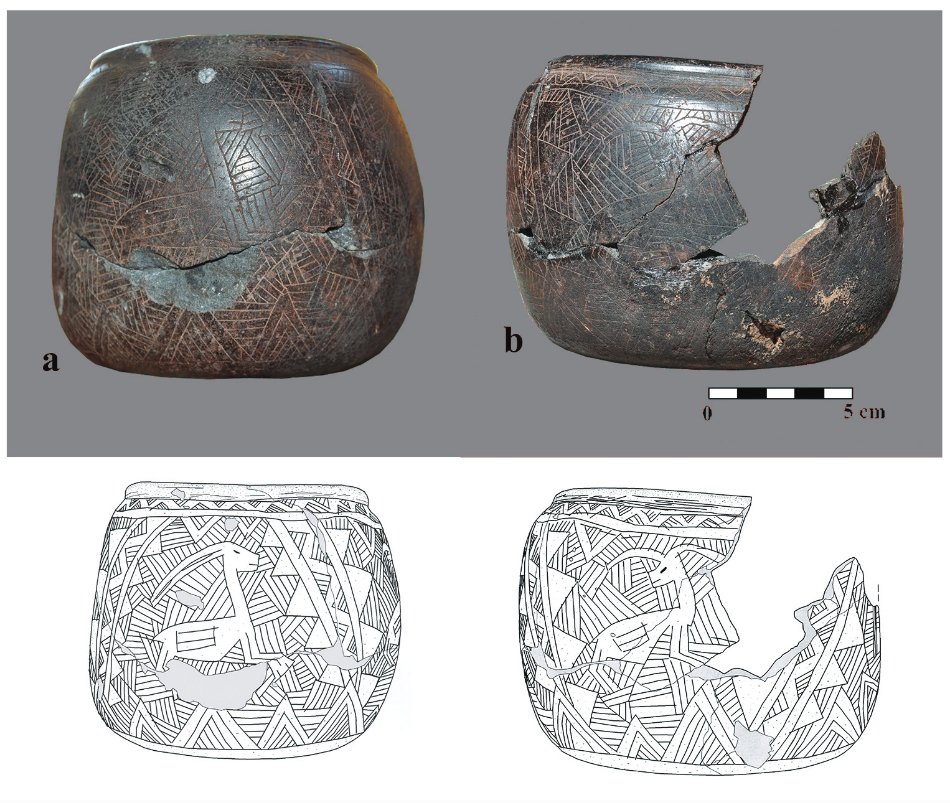
The material associated with the site is dominated by stone tools and worked stone: flint blades, flakes, points and scrapers; basalt grinding stones, pestles and stone-vessel fragments. The single most telling object is a decorated stone vessel — a surface find with a published record — which Çelik compared closely to the vessels of Körtik Tepe; it has its own page in this archive. A sculpture fragment interpreted as a leopard or lion head is also recorded, but as a fragmentary surface find it is best treated as a research lead rather than confirmed excavated evidence.
One caution the excavation itself flags: terracotta fragments from several later periods occur on the mound and should not be confused with the Neolithic material. Çelik placed Ayanlar between the early and middle Pre-Pottery Neolithic B on typological grounds; there is no published radiocarbon series, so both the site's date and the phasing of this new trench remain open.
04
Ayanlar (Gre Hut) should not be confused with Gre Filla, a separate Pre-Pottery Neolithic mound near Bismil in Diyarbakır province, excavated by a different team and threatened by the Ambar dam. The two names circulate together in Neolithic coverage but denote distinct sites in distinct provinces.
05
The objects recorded for this building, gathered as one catalogue. Where a full object page exists, it is linked from the card.
Object
The Decorated Stone Vessel from Ayanlar Höyük
A worked and decorated stone vessel so close in character to the vessels of Körtik Tepe that it ties this western mound to a craft tradition running across the whole region.
Wikimedia Commons
Full page →06
Full bibliography: the Taş Tepeler reference library →
Last reviewed 7 October 2026. Something wrong?