What is planned
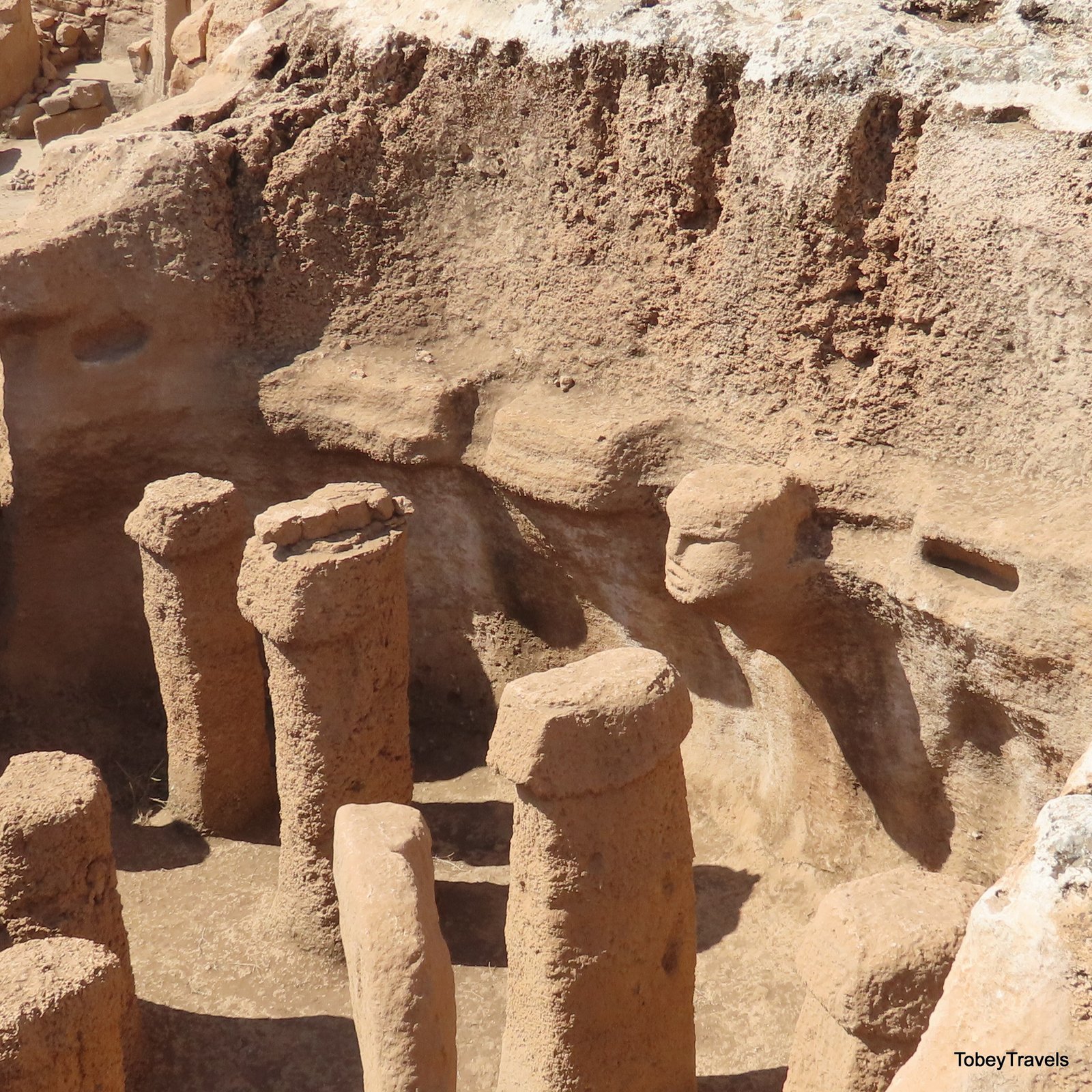
During the 2026 excavation season at Karahan Tepe, the team intends to open a stone-sealed chamber — a concealed section of one of the site's unusual Neolithic buildings, entered for the first time.
Sealed is the operative word. This is not a room that filled with soil over millennia; it is one that was deliberately closed.
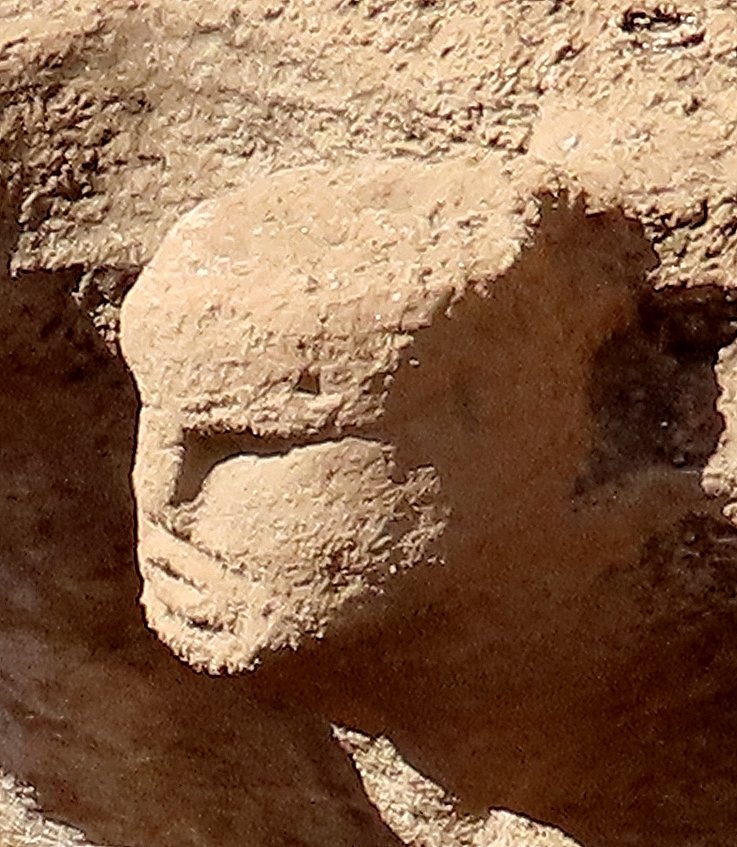
Tobey Travel, Carved head. Structure AB, Pillars Shrine with Porthole Window to AD and Carved Head, Karahantepe (Karahan Tepe), Turkey, CC BY-SA 4.0, via Wikimedia Commons.
Why this is unusual
Most of what we know about these buildings comes from spaces that were filled in, collapsed, or eroded — deposits that mixed over thousands of years and are now argued about precisely because their formation is unclear.
A chamber closed on purpose and left closed is a different kind of evidence. Whatever is inside was placed or left there at a known moment, rather than accumulating.
Karahan Tepe's architecture is subtractive — cut down into bedrock rather than assembled — so a sealed space within it was made by removing rock and then choosing to shut it. That decision is itself the finding, whatever the chamber contains.
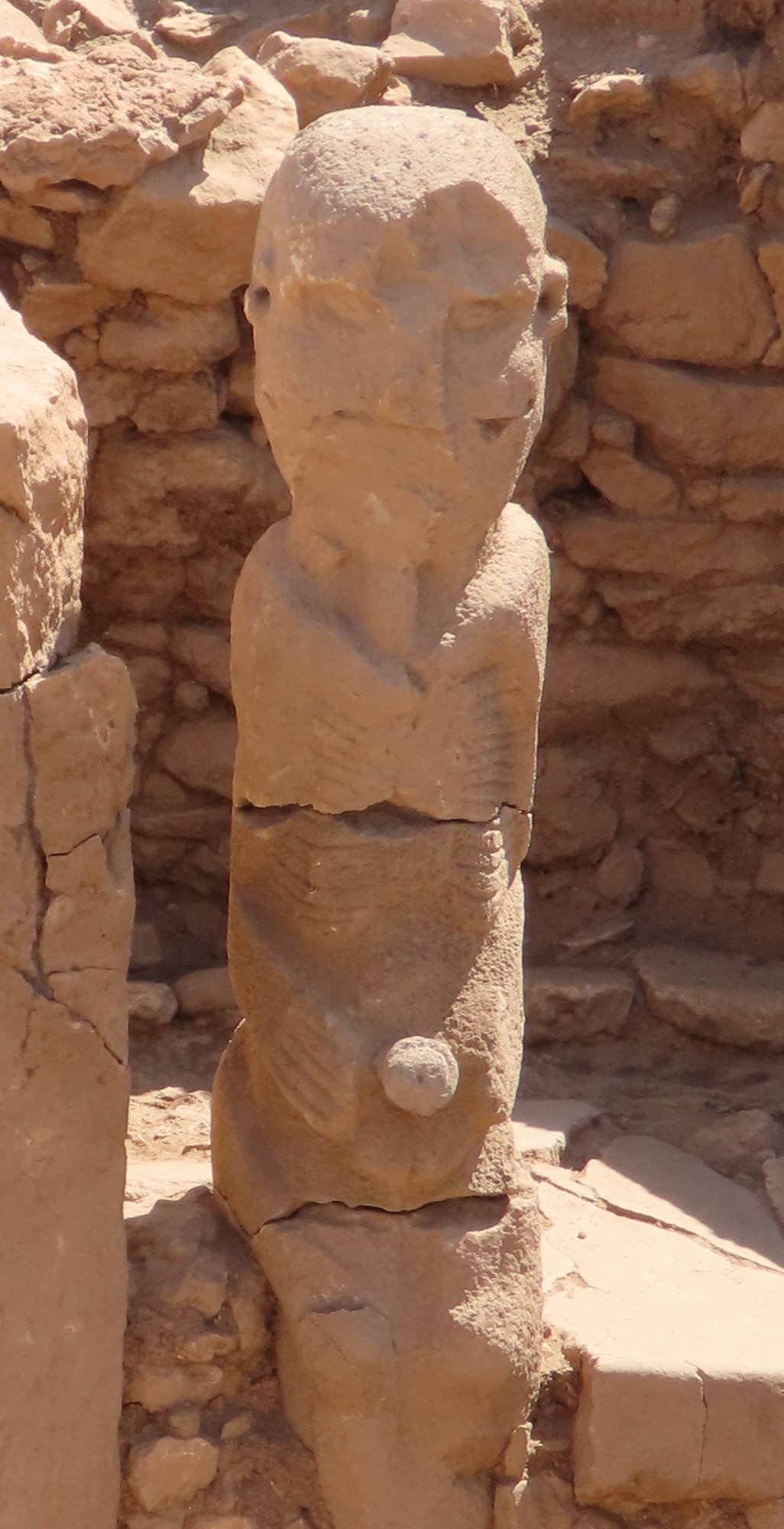
Tobey Travel, Porthole Stone and Phallic Statue (front), Area 08, Karahantepe (Karahan Tepe), Turkey, CC BY-SA 4.0, via Wikimedia Commons.
Manage your expectations
Sealed chambers invite speculation, and it is worth being plain: nobody knows what is in there. It may hold deposits, it may hold architecture, it may be empty.
The value is not in a hoped-for treasure but in a closed context — a deposit whose formation is understood. Those are rare here, and they are what the current arguments about fill, closure and slope collapse actually need.
What a closed context gives you
Karahan Tepe, in the Şanlıurfa region about 35 km east of Göbekli Tepe, is roughly 12,000 years old, and most of what we know about its buildings comes from spaces that were filled in, collapsed, or eroded. Those deposits mixed over thousands of years, and they are argued about precisely because how they formed is unclear.
A chamber closed on purpose and left closed is a different kind of evidence. Whatever is inside was placed or left there at a known moment, rather than accumulating slowly. That makes it a 'closed context' — a deposit whose formation is understood — and those are rare here. They are also exactly what the current arguments about fill, closure and slope collapse actually need, whether the chamber turns out to hold deposits, architecture, or nothing at all.
Subtractive architecture
Karahan Tepe's architecture is subtractive: rooms were cut down into the bedrock by removing rock, rather than assembled from blocks. A sealed space within it, then, was made by carving out a room and then choosing to shut it — and that decision is itself the finding, whatever the chamber contains.
It is worth managing expectations. Sealed chambers invite speculation, and it is honest to say that the value is not in a hoped-for treasure. It is worth being plain, too, that 'sealed' rests on a single news report ahead of any excavation write-up: whether the space was deliberately closed, as opposed to filled or collapsed like so much else at the site, is exactly what opening it is meant to test, and should not be assumed in advance.
What is uncertain
This is an announced plan, not a result. The chamber had not been opened when this was written, so everything about its contents is speculation — and the word 'sealed' itself rests on a single news report ahead of any excavation write-up. Whether the space was deliberately closed, as opposed to filled or collapsed like so much else at the site, is exactly what opening it is meant to test; it should not be assumed in advance.
The framing of Karahan Tepe's architecture as subtractive, cut into bedrock, is well established for parts of the site, but which building this particular chamber belongs to — and how it was closed — is not yet public. We will update this page once the season is worked and reported.
Common questions
What is the sealed chamber at Karahan Tepe? A concealed section of one of the site's Neolithic buildings that appears to have been deliberately closed, which the team planned to open for the first time in the 2026 season.
Why does a sealed chamber matter? Most of what we know comes from spaces that filled in or collapsed over millennia. A chamber closed on purpose gives a rare 'closed context' — a deposit whose formation is understood.
Do we know what is inside? No. It may hold deposits, architecture, or be empty. The word 'sealed' itself rests on a single news report ahead of any excavation write-up.
Key takeaways
- 'Sealed' is the operative word — this is a room deliberately closed, not one that filled with soil over time.
- A chamber shut on purpose is a different kind of evidence: its contents were placed or left at a known moment.
- Nobody knows what is inside — it may hold deposits, architecture, or nothing at all.
- The value lies in a closed context, exactly what the current arguments about fill and slope collapse need.
Sources
- Arkeonews — stone-sealed chamber at Karahantepe
- Anadolu Agency — Human depictions, 3D sculptures of Karahantepe site to shed light on history
This article is written from the primary literature and excavators' reports cited above. Interpretations are attributed; uncertainties are stated in the text.