Çakmaktepe · Structure
The southern domestic area
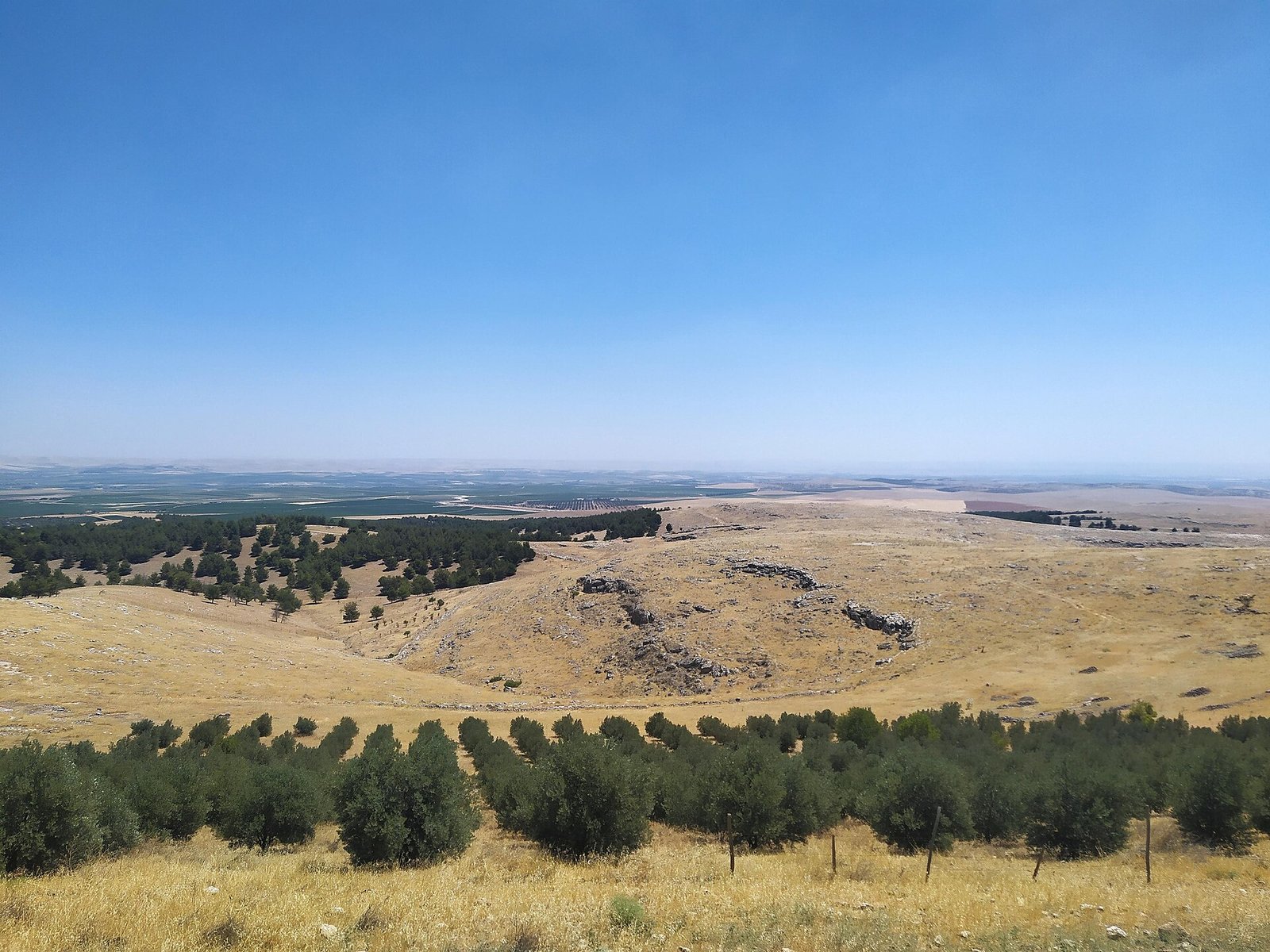
The everyday side of Çakmaktepe — a spread of modest houses across the southern excavation area, the settled community behind the site's animal-head deposits.
Çakmaktepe · Structure
The everyday side of Çakmaktepe — a spread of modest houses across the southern excavation area, the settled community behind the site's animal-head deposits.
01
02
Çakmaktepe is easily reduced to its burnt animal heads, but the excavation directed by Fatma Şahin stresses that it was first of all a place people lived. Across the southern part of the site, field reporting describes numerous modest domestic structures of varying size and function, together with the mortars and grinding tools of daily food work. It is this ordinary settlement, not the dramatic deposits, that makes up most of what the site has to show.
Two details are worth keeping. The buildings are reported not to cut into one another, which the excavators read as a broadly contemporary, planned layout rather than a long tangle of rebuilding on the same spots; and several structures were dug down to carefully levelled bedrock floors, with more than one renovation phase noted. These are field observations shared ahead of formal publication, so individual house plans, dimensions and counts are not yet fixed in print.
03
The balance of the site is part of its interest: Çakmaktepe has many domestic buildings and only a small number of special or public structures, which is exactly why the animal-head deposits — set in and around those few special buildings — carry weight for how domestic and communal life related. The southern houses are the domestic half of that relationship.
Much remains to be published. A full plan and a structure-by-structure map are still outstanding, the subsistence record is not yet documented in controlled form, and the relationships between building phases are unresolved. As across the rest of Çakmaktepe, the Pre-Pottery Neolithic A framing rests on typology and surface material, with radiocarbon dating still pending.
04
That the houses do not intercut is read as evidence of a deliberately planned, broadly synchronous settlement rather than piecemeal growth. It is a reasonable reading of the exposed layout, but it is interpretation from preliminary reporting — the phasing and contemporaneity of the buildings await fuller stratigraphic study.
05
Full bibliography: the Taş Tepeler reference library →
Last reviewed 7 October 2026. Something wrong?