Çakmaktepe · Structure
Special Building 15
A special-purpose building at Çakmaktepe whose walls held a deposit of deliberately burnt animal heads — the context that produced the site's concentration of gazelle skulls.
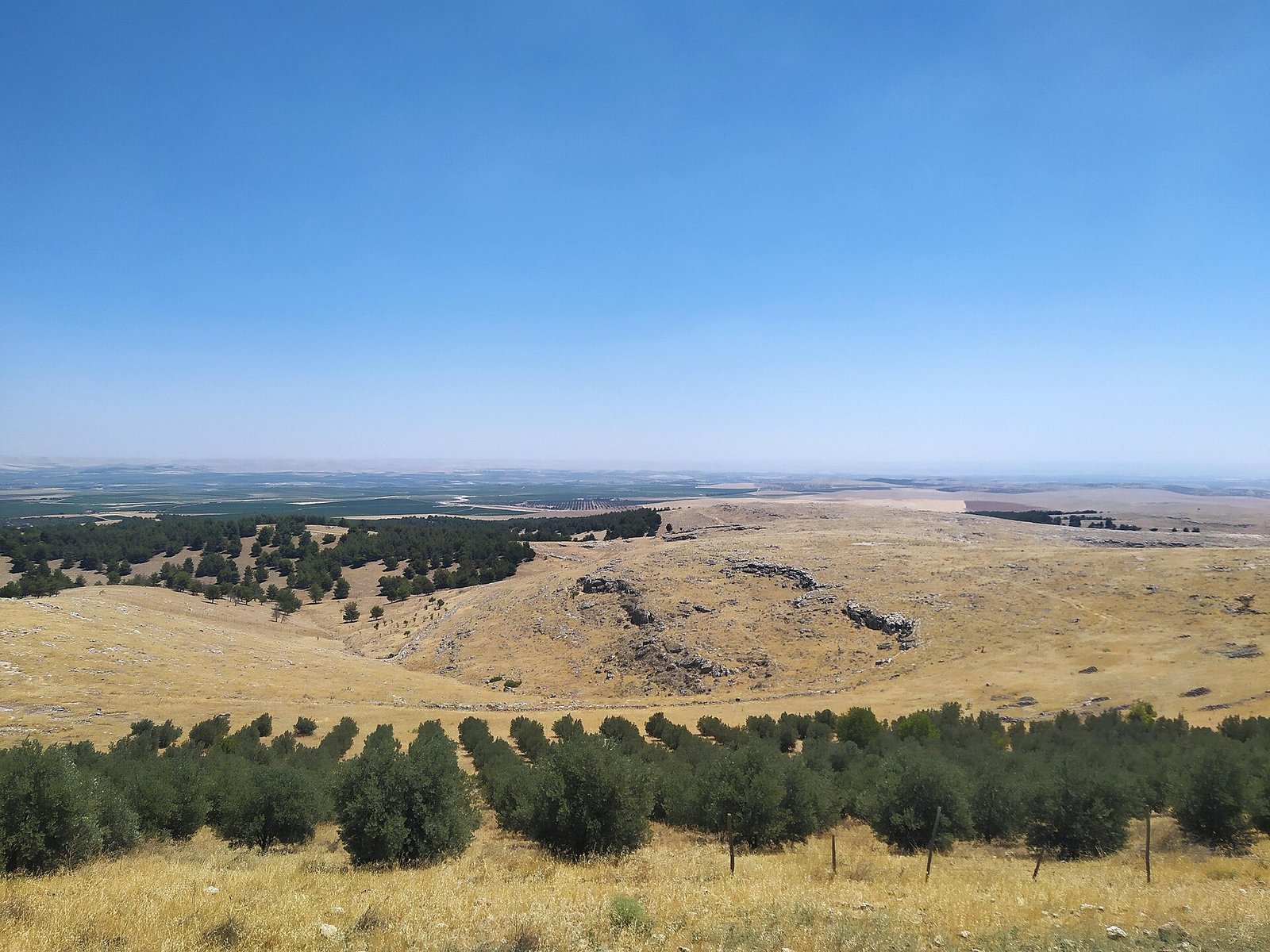
Çakmaktepe · Structure
A special-purpose building at Çakmaktepe whose walls held a deposit of deliberately burnt animal heads — the context that produced the site's concentration of gazelle skulls.
01
02
Special Building 15 is the clearest public anchor among Çakmaktepe's non-domestic buildings, and the structure most consistently named in field reporting from the excavation directed by Fatma Şahin. It is described as a special or communal building rather than a house — the excavators deliberately avoid the word temple used of Göbekli Tepe.
In a later use phase the building was narrowed, and its floor was resurfaced with a pebble floor — signs that it was maintained and remodelled over time rather than built and abandoned in one episode. These are field observations shared ahead of formal publication, so the building's full plan, dimensions and phasing are not yet fixed in print.
03
What makes the building notable is what was set against its walls. First reported in the 2024 season, burnt animal skulls — wild cattle, wild sheep, equids and gazelle — were placed carefully at the base of the walls. Şahin has described the burning as a deliberate, ritual-looking act, and has floated the possibility that some skulls were used as masks; that mask reading is her interpretation, not a demonstrated fact.
In the 2025 season the picture sharpened around one species: nearly half of a communal structure was filled with gazelle skulls — at least thirty, arranged in a deliberate order and burnt before deposition — which has its own dedicated page in this archive. Reporting also records the deposit as spread over a roughly 10 by 3 m area in front of an exterior wall. The exact loci, and how the exterior spread relates to the wall-base placements, still await formal study.
04
It is worth keeping the deposit's mixed character in view rather than flattening it into a single gazelle event. Alongside the gazelle, the reporting records five wild sheep heads in or near the same exterior context. They belong beside the Special Building 15 evidence but should not be folded into the gazelle count. The presence of more than one species, and of both interior wall-base and exterior placements, suggests the treatment of animal heads at Çakmaktepe was a repeated practice rather than one deposit.
05
The animal-head deposits sit within a wider Çakmaktepe interest in the hunt. Şahin and Massa's 2025 Antiquity paper on mass-hunting in the Şanlıurfa region, and trap scenes reported on stone objects, give the gazelle concentration a plausible background in communal hunting — food and ceremony bound together, argued from the evidence rather than proven.
Çakmaktepe's chronology remains the biggest open question: the excavators place the site in the Pre-Pottery Neolithic A and have called its buildings older than Göbekli Tepe, but that rests on chipped-stone typology and surface material, with radiocarbon dating still pending.
06
Şahin has described the burning of the animal heads as a deliberate, ritual-looking act, and has raised the possibility that some skulls were used as masks. This is her interpretation, offered from field observation, not a demonstrated fact — no wear or use evidence for masking has been published.
Şahin and Massa's 2025 Antiquity work on mass-hunting in the Şanlıurfa region gives the gazelle concentration a plausible background in communal hunting, with food and ritual entwined at the threshold of a public building. It is an argument built on the evidence rather than a settled reading.
Whether the interior wall-base skulls, the exterior gazelle spread and the wild-sheep heads belong to a single closing event or to repeated episodes is not yet resolved; the excavation itself flags the relationship of narrowing, pebble resurfacing and deposition as an open question.
07
The objects recorded for this building, gathered as one catalogue. Where a full object page exists, it is linked from the card.
Object
The Burnt Gazelle Skulls at Çakmaktepe
At least thirty gazelle skulls, burned before they were set down and arranged in a deliberate order, filling much of a communal building at one of the Taş Tepeler landscape's earliest settlements.
Full page →08
Full bibliography: the Taş Tepeler reference library →
Last reviewed 7 October 2026. Something wrong?