Taş Tepeler

Taş Tepeler / Sefertepe / The Sefertepe skull room

Structure · Sefertepe

The Sefertepe skull room

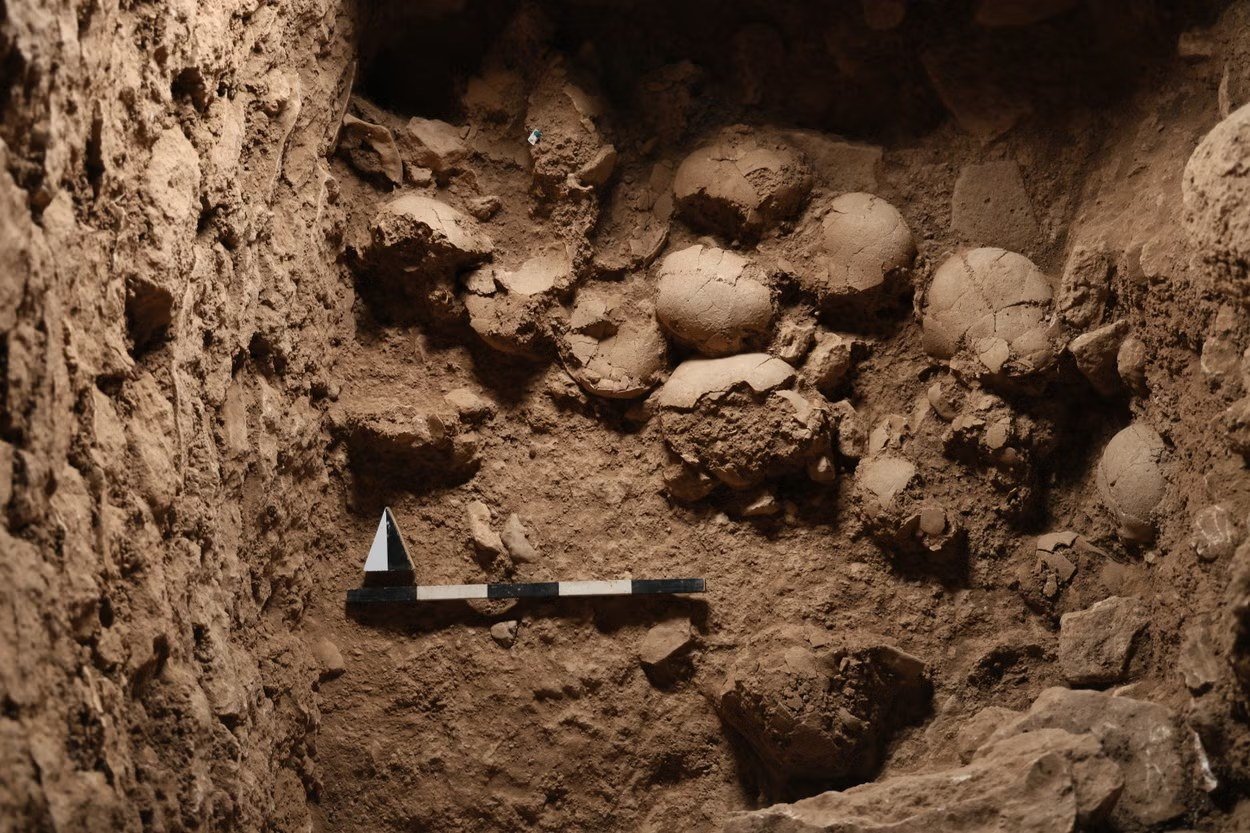
A chamber at Sefertepe in which excavators have reported human skulls and skull fragments. The counts published in different reports do not agree with one another, and no final account has reconciled them.

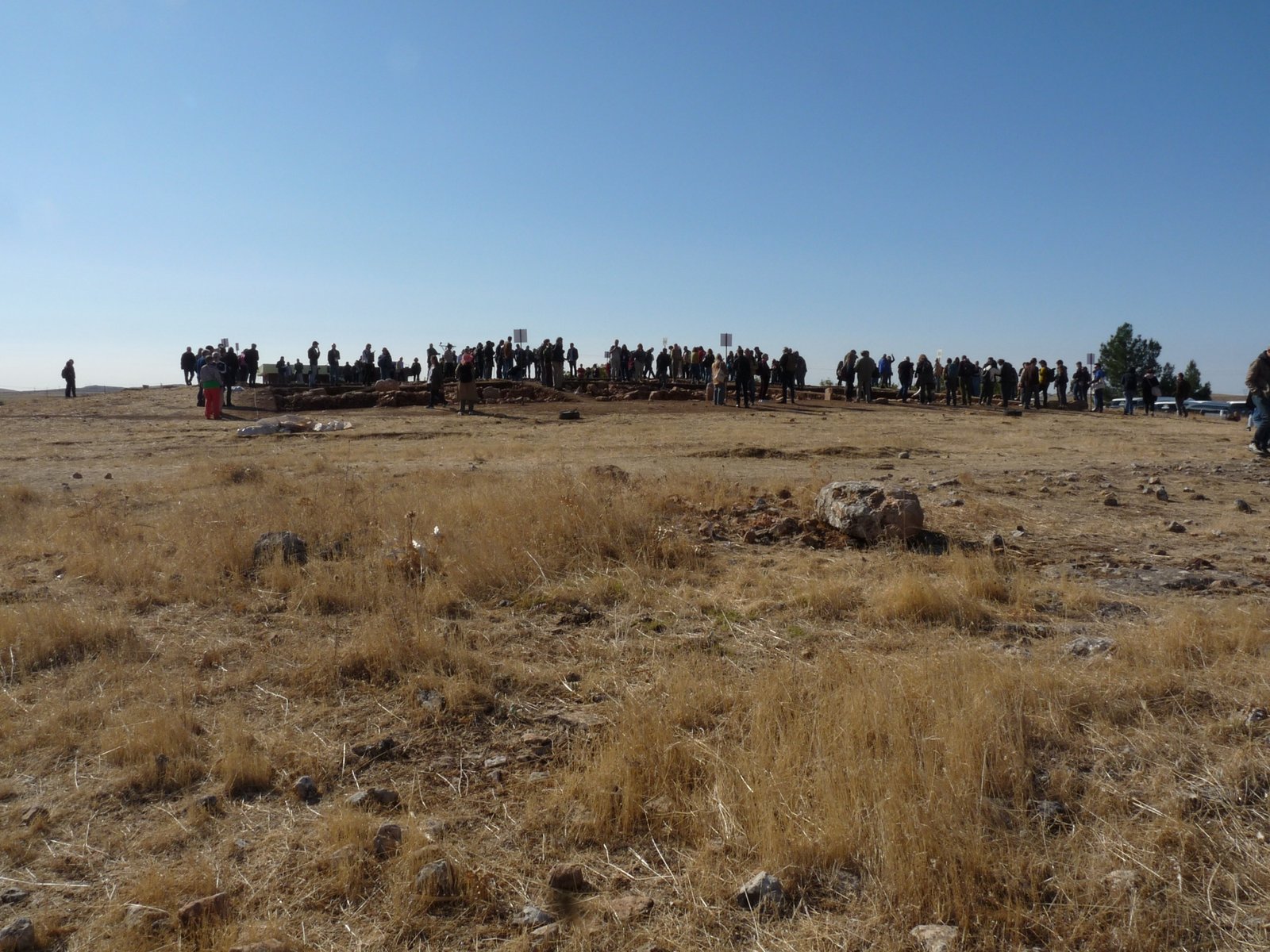
Sefertepe. (Site view; not a photograph of this find.)

Sefertepe. (Site view; not a photograph of this find.)

Frantisek Trampota, Sefer Tepe, Public domain, via Wikimedia Commons.

What has been reported

Since systematic excavation began at Sefertepe in 2021, a chamber described by the excavation as a skull room has produced human skulls and skull fragments. It is the site's most widely reported feature, and the reason Sefertepe appears in international coverage at all.

The difficulty for anyone trying to understand it is that the numbers differ from report to report. This page sets them out side by side rather than choosing between them — and adds one account that explains where at least one of the figures comes from.

The August 2024 field notes

Onsite notes taken from archaeologists working at Sefertepe, recorded at the end of August 2024, give the clearest breakdown we hold. By that point the site had produced 22 skulls, and the notes state how that number divides:

21 skulls grouped together in the skull room, described as being in a deliberate, ritual-style arrangement — and associated with the bones of an infant.

One further skull standing alone, facing east, recorded as a separate deposit rather than part of the group.

That 21 + 1 breakdown resolves something the published coverage does not: the widely circulated figure of 22 skulls and the separately reported 'isolated east-facing skull' are not two different finds. They are the same assemblage, counted together and then described apart.

These are unpublished field notes rather than an excavation report. They are first-hand, and they are more specific than anything currently in print — but they may be revised by the excavation's own publication, and the infant-bone association in particular deserves formal confirmation.
The other reported counts

A layer containing 31 skulls and fragments. Reported as a count from an evidence layer within the chamber. Higher than the August 2024 figure, which is consistent with a later season or with fragments being counted alongside complete crania.

12 skulls across two chambers — eight and four. Reported in 2025: eight from the skull room itself, four from a second chamber nearby. This appears to describe a particular context rather than the cumulative assemblage.

These are not necessarily contradictory. A count of complete skulls, a count including fragments, a count from one chamber and a count across two are four different measurements, and a multi-season excavation will legitimately produce all of them. Beyond the August 2024 breakdown above, no published account states which is which, so the remaining figures cannot be added together or reduced to a single number.

How old is it, and what does the architecture say?

The same field notes give a working date of around 10,500 years before present for the context. That is worth noting carefully: it would place the skull room later than the earliest horizons at Göbekli Tepe, not earlier — a useful corrective to the habit of introducing every Taş Tepeler site as older than the famous one.

The notes also record something more unusual. Sefertepe's architecture is described as showing traits associated with both the Tigris-region traditions to the east and the Euphrates-region traditions to the west. If that holds up in publication, Sefertepe is not simply another site in the Şanlıurfa cluster — it is a place where two regional building traditions meet, which would make its position on the eastern edge of the Taş Tepeler group meaningful rather than incidental.

A separate context nearby

Distinct from the skull room, the excavation has also reported seven skulls found together with skeletal remains in a northern context at the site. Because that deposit includes post-cranial bone, it is a different kind of find from a chamber holding skulls alone, and is treated separately here.

Why skulls, and what it might mean

Deliberate treatment of the human skull is a recurring theme across the Pre-Pottery Neolithic of this region. At Göbekli Tepe, Gresky and colleagues published carved and modified human skull fragments in 2017 — evidence widely read as indicating a skull cult.

What appears to be happening at Sefertepe is different in kind. Carving a skull and gathering skulls into a room are not the same act, and the second does not require the first. If the Sefertepe chamber is what it appears to be, it adds a regional variant to a practice already known rather than confirming the Göbekli Tepe interpretation.

No published study has yet established whether the Sefertepe skulls show cut marks, drilling, ochre or other modification. Until that exists, any statement about why they were gathered is interpretation running ahead of the evidence.

What would settle it

A final excavation report giving the stratigraphic context of each skull, the total assemblage with a stated counting convention, osteological analysis for age and sex, and any evidence of modification.

Sefertepe is a five-year-old excavation. That report does not exist yet, and the figures above will very likely be revised when it does.

Sources & further reading5 references
  1. Onsite notes from archaeologists working at Sefertepe (2024). Field observations recorded at the site, end of August 2024. Unpublished field notes held by Taş Tepeler (tastepeler.net). First-hand site notes, not a peer-reviewed publication. Figures may be superseded by the excavation's own reporting.
  2. Gresky, J., Haelm, J. & Clare, L. (2017). Modified human crania from Göbekli Tepe provide evidence for a new form of Neolithic skull cult. Science Advances 3(6): e1700564. doi:10.1126/sciadv.1700564
  3. Çelik, B. (2006). Sefer Tepe: A New Pre-Pottery Neolithic Site in Southeastern Turkey. Neo-Lithics 1/06: 23–25.
  4. Clare, L. (2020). Göbekli Tepe, Turkey. A brief summary of research at a new World Heritage Site (2015–2019). e-Forschungsberichte des Deutschen Archäologischen Instituts 2020(2): 81–88.
  5. Şanlıurfa Neolithic Research Project — Taş Tepeler (2026). Official project site (Istanbul University / Şanlıurfa Museum). tastepeler.org link

Full bibliography: the Taş Tepeler reference library →

See it for yourself

We run small-group and private tours across the Taş Tepeler landscape.

Plan a visit →

Last reviewed 21 July 2026. Something wrong?