Sefertepe · Structure
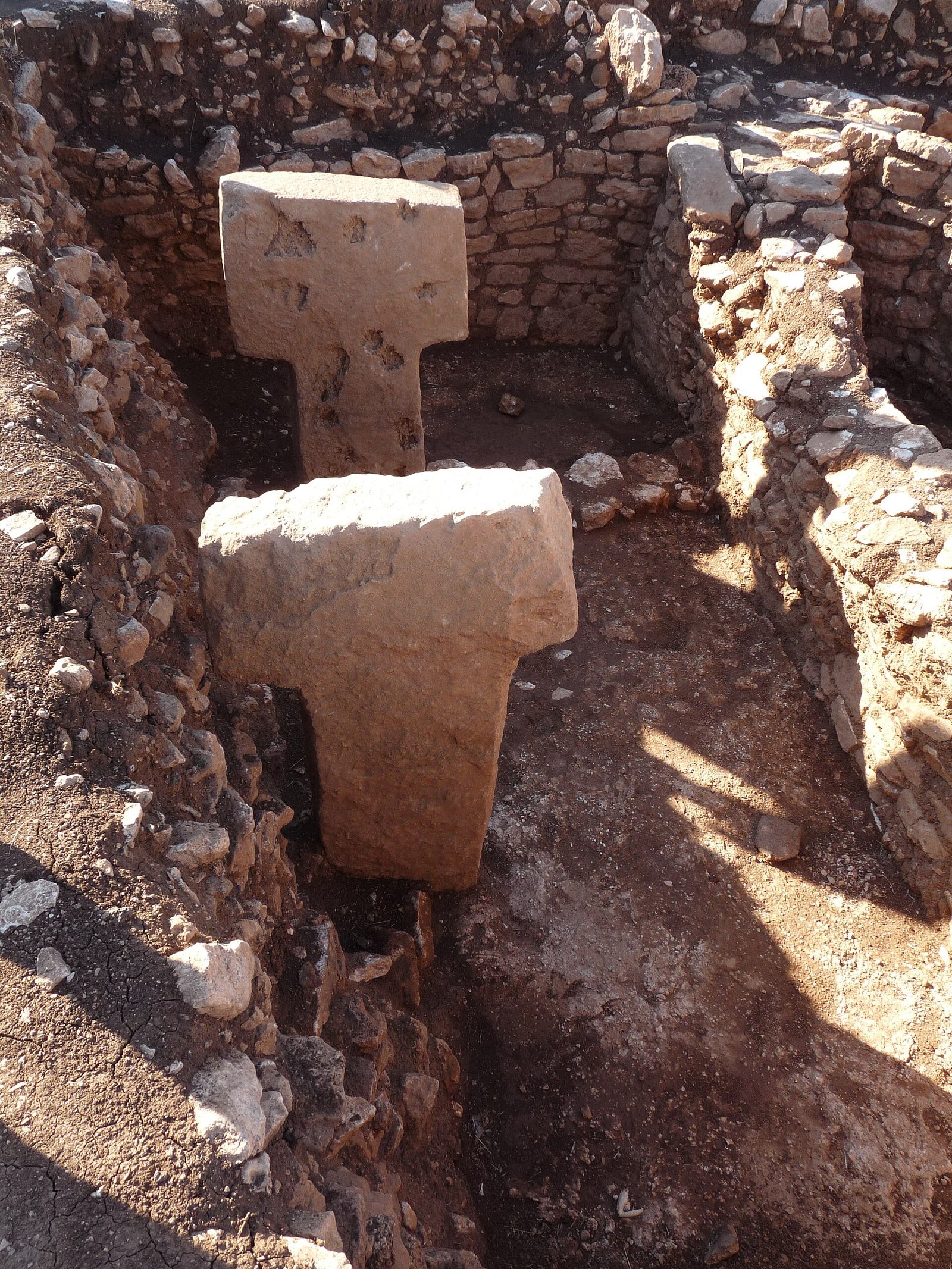
Sefertepe was one of the first sites to show that the T-pillar tradition reached beyond Göbekli Tepe. Later work records a set of ten pillars — a few T-shaped, most quadrangular — with one T-pillar carrying carved and incised decoration.
Frantisek Trampota, Sefer Tepe, Public domain, via Wikimedia Commons.
01
02
The official Taş Tepeler project page and the fuller Karul et al. 2025 account describe a set of ten pillars at Sefertepe: three T-shaped and seven quadrangular. One of the T-pillar spaces has been excavated down to its floor, and the standing stone's east-facing surface carries both relief and incised geometric decoration — a worked, decorated upright rather than a plain one. The quadrangular pillars are reported in opposing pairs, set across from one another in two of the rooms.
This is grounded in the excavation's own reporting and the 2025 published section, but the fine detail a full report would carry — a pillar-by-pillar numbering, the room and trench identifiers, and measured dimensions — is not yet in print.
03
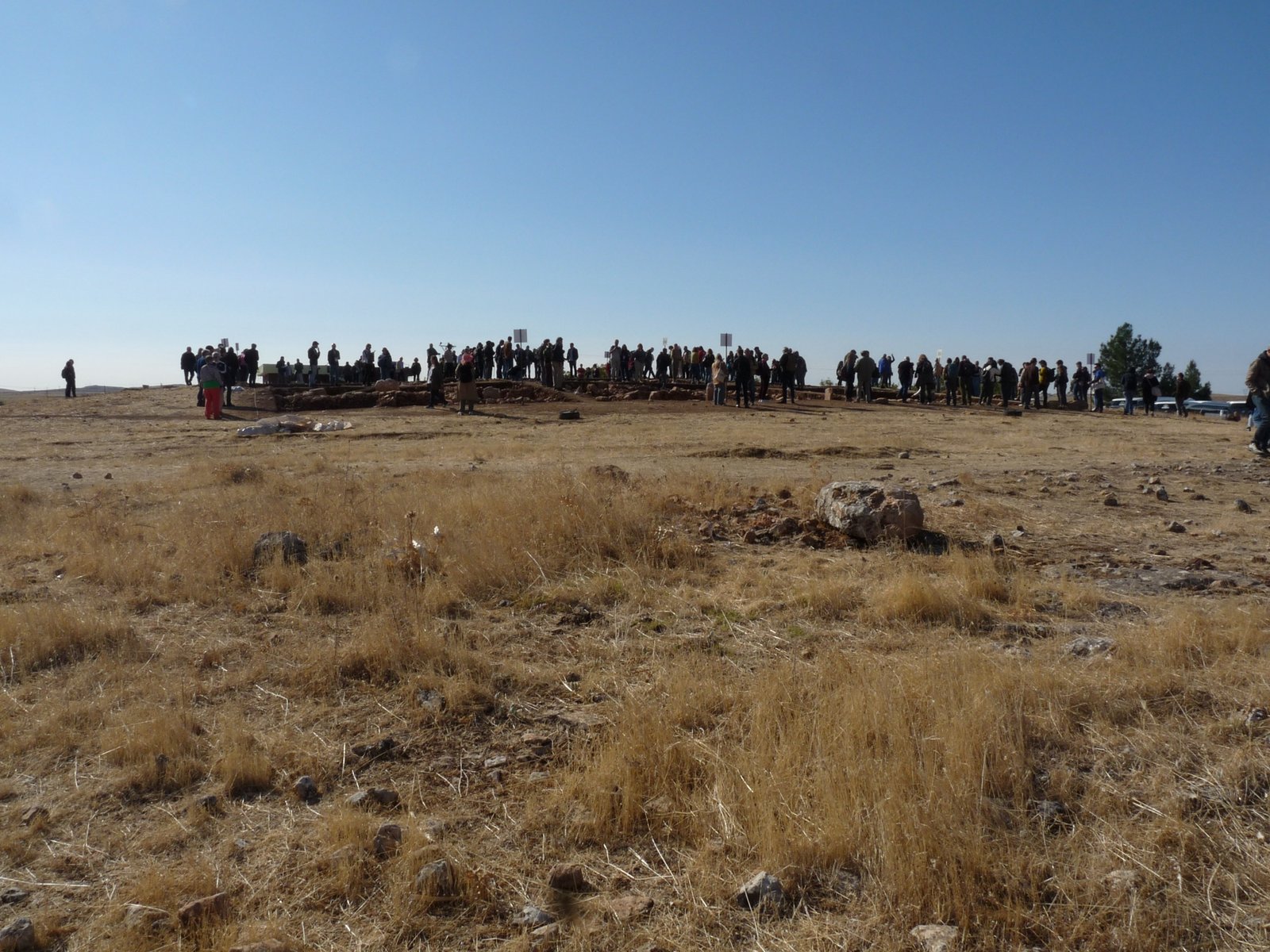
Sefertepe matters partly because of when it entered the record. Bahattin Çelik published Sefer Tepe in 2006 as a new Pre-Pottery Neolithic site with T-shaped pillars on its surface, and it became one of the Şanlıurfa T-pillar sites that showed the tradition of Göbekli Tepe and Nevalı Çori extended across the wider region rather than sitting alone. Its position on the eastern edge of the Taş Tepeler cluster makes that reach concrete.
The mix of T-shaped and quadrangular uprights is itself worth noting: the same building tradition is present, but expressed in a local combination rather than as an exact copy of the flagship sites.
04

Frantisek Trampota, Sefer Tepe T-stelae, Public domain, via Wikimedia Commons.
Two T-pillars in a stone-walled room
Two T-shaped pillars standing in a stone-walled room at Sefer Tepe — the signature form that first marked the site out as belonging to the Göbekli Tepe / Nevalı Çori tradition. The pillars here are plainer than Göbekli's carved monoliths.
Photo: Frantisek Trampota · Wikimedia Commons
05
The combination of a few T-pillars with a majority of quadrangular ones reads as a local variation within the shared Taş Tepeler building tradition rather than a straight imitation of Göbekli Tepe. That is a reasonable reading of the reported set, not a settled conclusion.
The relief and incised geometric decoration on the excavated T-pillar's east face is a concrete reported detail, but the motif itself has not been published in a drawing or clear photograph here, so its content is described rather than shown.
06
Full bibliography: the Taş Tepeler reference library →
Last reviewed 7 October 2026. Something wrong?