Taş Tepeler

Söğüt Tarlası · Structure

The older excavation area at Söğüt Tarlası

Söğüt Tarlası is one of the region's earliest-investigated Neolithic findspots — a settlement and tool-making site, twinned with Biriş Mezarlığı, whose story is mostly one of older fieldwork and a distinctive ground-stone assemblage.

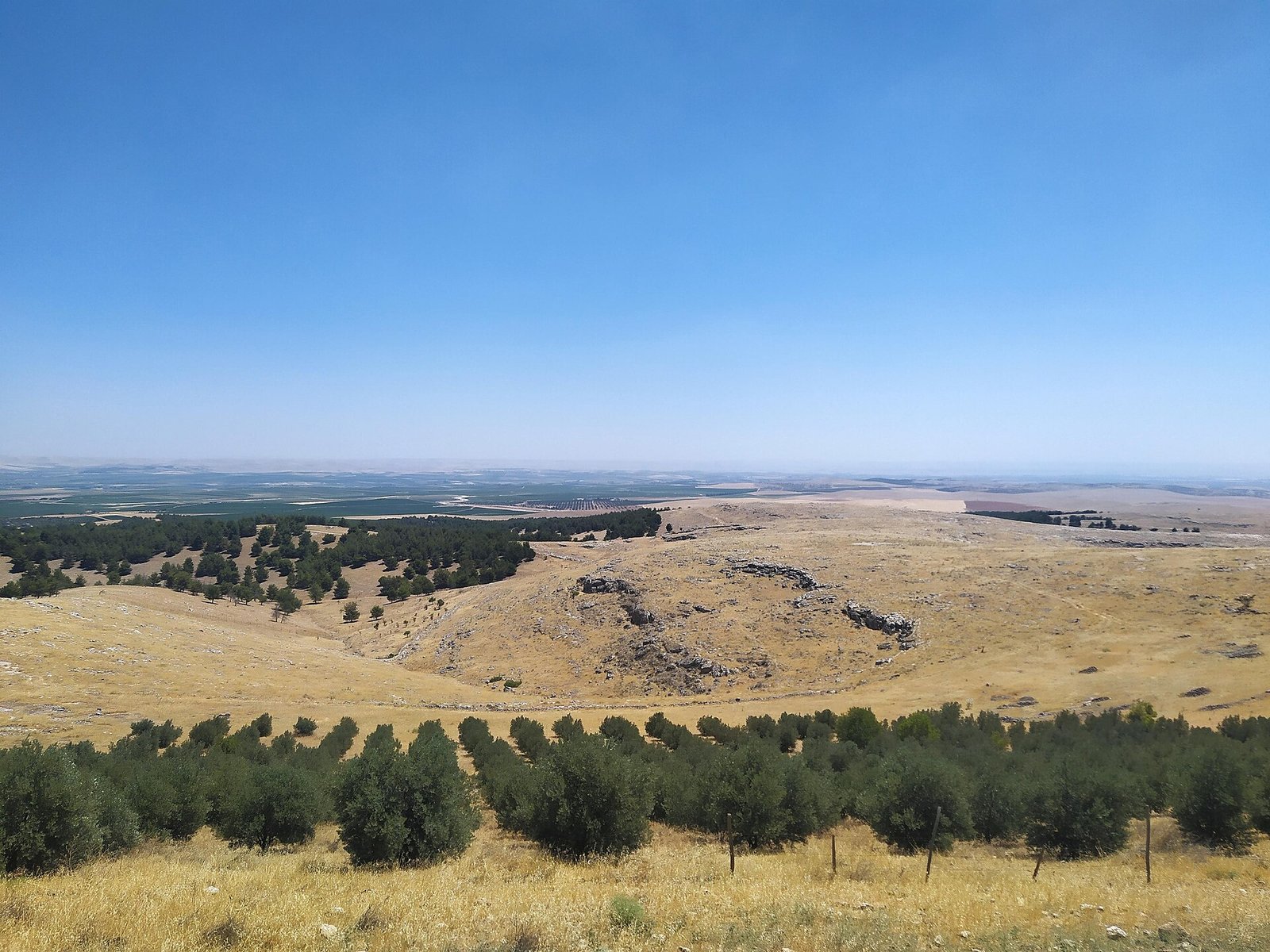
The Taş Tepeler landscape of Şanlıurfa, where Söğüt Tarlası lies. (Landscape; not a photograph of this find.)
The Taş Tepeler landscape of Şanlıurfa, where Söğüt Tarlası lies. (Landscape; not a photograph of this find.) Wikimedia Commons

01

Quick facts

Site
Söğüt Tarlası, paired with the nearby Biriş Mezarlığı in the Şanlıurfa region
Research history
among the region's earliest-studied sites, with 1960s Pre-Pottery Neolithic B (and later Uruk-period) research
Character
read as a settlement and tool-making site, not a monumental sanctuary
Assemblage
modeled pestles, greenstone axes, grooved smoothers, limestone cups, grinding stones and jamb stones
Status
thin public record; no modern excavation monograph — value is chiefly its deep research history

02

An early-studied settlement, not a sanctuary

Söğüt Tarlası matters less for standing architecture than for how long it has been known. Together with the neighbouring Biriş Mezarlığı, it is one of the earliest-investigated Neolithic findspots in the Şanlıurfa region, with research reaching back to the 1960s and touching both a Pre-Pottery Neolithic B horizon and later, Uruk-period, material. That deep-time relevance — a site studied long before Göbekli Tepe reframed the region — is its main claim, and it is best read as a settlement and tool-making place rather than a ceremonial centre.

The area named here reflects that older fieldwork. Its most tangible legacy is a ground-stone and tool assemblage: modeled pestles, greenstone axes, grooved smoothers, limestone cups, grinding stones and jamb stones — the equipment of everyday production rather than monumental display.
03

What stays thin

This is an honestly sparse page. There is no modern excavation monograph setting out plans, dimensions, floors, deposits or radiocarbon dates for a specific building here, and the detailed relationship between Söğüt Tarlası and Biriş Mezarlığı is not laid out in the current public record. What can be said with confidence is the research history and the material assemblage; anything more awaits fuller publication.

04

Sources

Sources & further reading2 references
  1. Di Nocera, G. M. (2024). Söğüt Tarlası and Biris Mezarlığı (Taş Tepeler project settlement profile). Şanlıurfa Neolithic Research Project – Taş Tepeler. tastepeler.org/en/settlements/sogut-tarlasi-biris-mezarligi
  2. Çelik, B.. Differences and similarities between the settlements in Şanlıurfa region where 'T' shaped pillars are discovered. Comparative survey of the Şanlıurfa T-pillar sites. Consulted via open repository copy; full bibliographic details not verified.

Full bibliography: the Taş Tepeler reference library →

Explore Söğüt Tarlası

Last reviewed 7 October 2026. Something wrong?