Taş Tepeler

Taş Tepeler / Sayburç / Secondary burial and body-processing contexts

Mortuary evidence · Sayburç

Secondary burial and body-processing contexts

Sayburç's cautiously reported mortuary evidence — clusters of human remains in the southern domestic area showing secondary treatment, selected bones and burning.

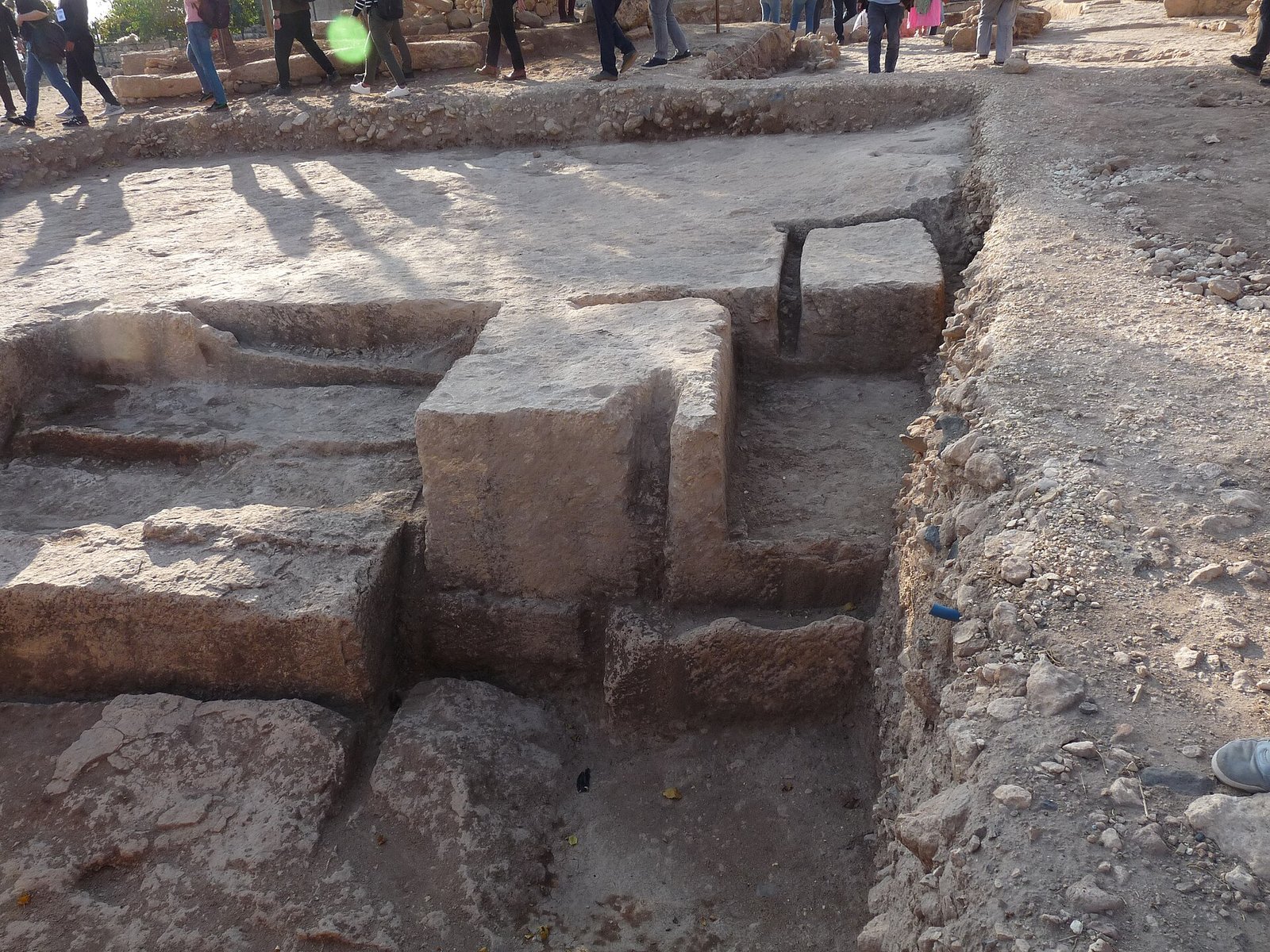
The Sayburç excavation. (Site view; not a photograph of this find.)

The Sayburç excavation. (Site view; not a photograph of this find.) — Wikimedia Commons

What has been reported

Human remains at Sayburç are reported in three clusters within domestic structures in the southern part of the settlement. The published wording is deliberately cautious: the bones are described as secondary burials — remains handled and re-deposited after the body had decomposed — rather than intact primary graves. Özdoğan reports that selected bones, especially long bones and skull fragments, were probably placed within buildings, and that one cluster consists of six individuals with severe burning. Signs of burning are noted on recovered human bone more generally.

This places Sayburç within the wider regional preoccupation with the dead. But one negative is worth recording precisely, because it resists flattening every site into the same story: Sayburç has no confirmed evidence of the perforated, suspended skulls known from Göbekli Tepe. The regional theme is present; that specific practice is not attested here.

What is still uncertain

This is an honest gap as much as a finding. The cluster-by-cluster positions have not yet been separated in print, the exact structures and findspots remain unresolved, and the reason for the burning is not settled. Whether the burning is part of a deliberate rite, a consequence of building use, or something else cannot be decided on the published evidence. These points are drawn from preliminary reporting of an active excavation and should be expected to sharpen — or change — as fuller anthropological study is published.

Sources & further reading2 references
  1. Özdoğan, E. (2024). Sayburç: a mid-9th millennium BC site in the foothills of the Eastern Taurus. Documenta Praehistorica 51: 44–58. Open-access preliminary report of the first excavation seasons; source of the lettered special buildings. doi:10.4312/dp.51.23
  2. Özdoğan, E. (2025). Interviews on the Sayburç excavation and its reliefs. Transcribed interviews held in the Taş Tepeler research atlas. Spoken material, translated from Turkish; paraphrased rather than quoted. See Özdoğan 2022 for the published account.

Full bibliography: the Taş Tepeler reference library →

See it for yourself

We run small-group and private tours across the Taş Tepeler landscape.

Plan a visit →

Last reviewed 17 August 2026. Something wrong?