Taş Tepeler

Taş Tepeler / Gürcütepe / The Gürcütepe III domestic and craft area

Structure · Gürcütepe

The Gürcütepe III domestic and craft area

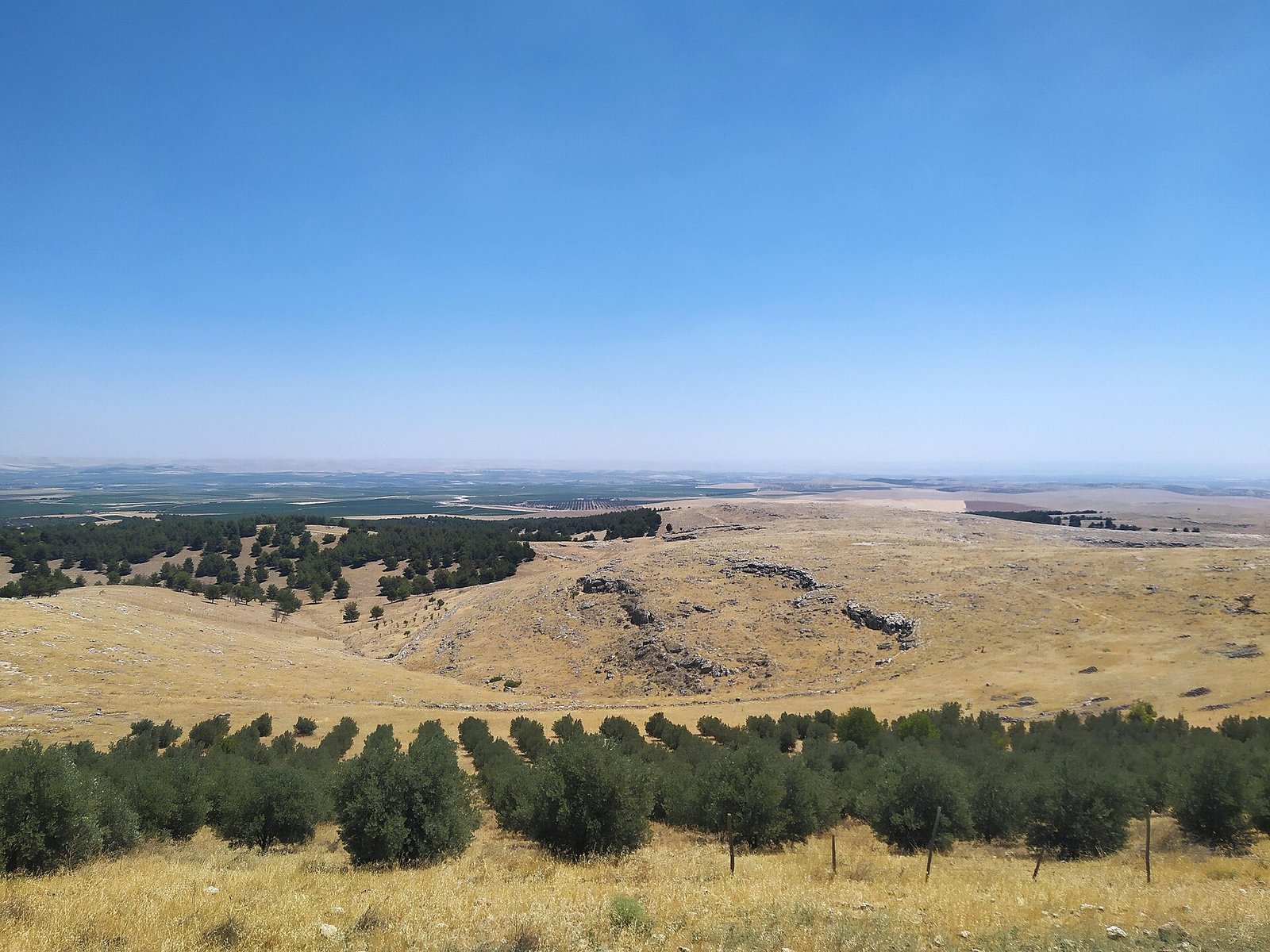
The open western part of Gürcütepe III, where the current excavation has traced houses, outdoor working areas and a dense scatter of craft and figurine material — the everyday counterpart to the monuments.

A working village, dug outdoors

Gürcütepe's value is settlement life rather than monument. Concentrating on the open western part of Gürcütepe III, the campaign directed since 2021 by Mücella Erdalkıran of Ege University has distinguished two occupation layers and two building traditions: an earlier phase of cell-planned structures — ground floors divided into small rooms, or cells — and a phase of wider-roomed houses with stone foundations. Between the houses lay open working areas with hearths, refuse pits and deep cooking pits lined with fire-cracked stone. Burials were placed inside the cell rooms.

This is domestic, craft-oriented architecture, not the pillared enclosures of Göbekli Tepe or Karahan Tepe — and the excavators read it as a chapter after the great monuments, when communities had moved down to fertile plain and organised life around the household. The site sits in the Pre-Pottery Neolithic B, the easternmost mound later still (Pre-Pottery Neolithic C).

Craft, food and figurines

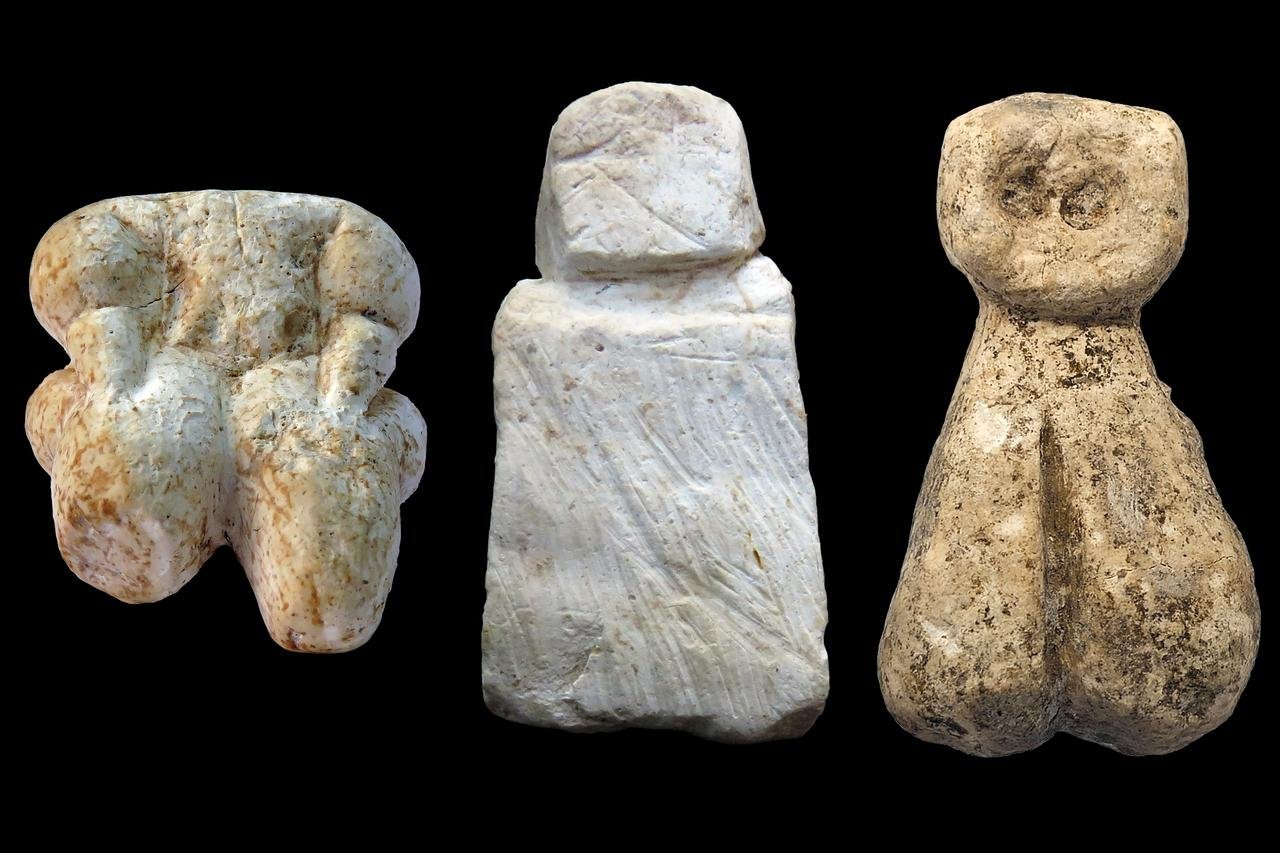
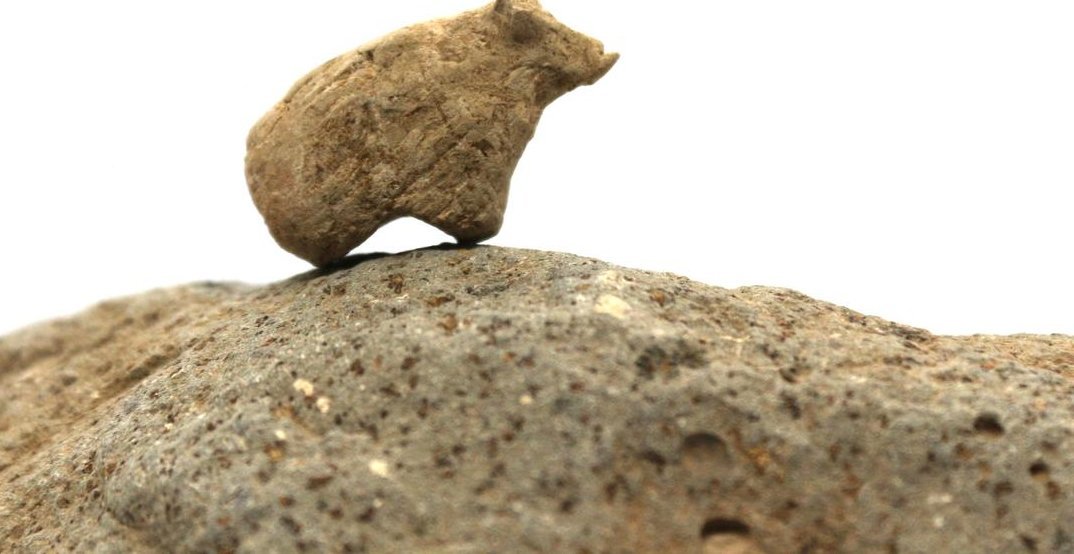
The open spaces have produced a dense scatter of domestic and craft material: unfinished limestone figurines, phallic objects, stone weights, bracelets, beads, stone vessels, palettes, chipped-stone discs, axes, and basalt mortars, pestles and grinding stones. Large Byblos and Palmyra type projectile points among the chipped stone help anchor the Pre-Pottery Neolithic B date. The faunal record is led by sheep/goat, followed by pig and cattle, with smaller wild components. (The animal figurines are symbolic objects and should be kept separate from these faunal remains.)

Gürcütepe is best known for its figurines, in limestone and clay and in both schematic and naturalistic styles, treated on their own page here. The excavation reports that some female figures recall types from central Anatolian sites such as Çatalhöyük and Aşıklı Höyük, which, if borne out, would point to contact or shared symbolism well beyond the Şanlıurfa region. These readings come from ongoing fieldwork rather than final publication, and are best treated as the current interpretation.

What's still unknown

The full sequence of the mounds, the details of subsistence, and the relationships between the building phases are still being worked out, and the results come largely from interim reporting. Two large questions drive the project: why communities left the limestone hills for the plain, and why so large a settlement was eventually abandoned.

Sources & further reading3 references
  1. Erdoğan, K. (reporting excavation director M. Erdalkıran) (2025). Neolithic figurines, multi-room burials found at Gürcütepe redefine Taş Tepeler chronology. Türkiye Today, 28 November 2025. Field reporting; awaiting full publication. link
  2. Kayra, O. (2025). Gürcütepe's 9,000-year-old figurines offer rare clues to life after Taş Tepeler's monumental age. Arkeonews, 11 December 2025. Citing excavation director M. Erdalkıran. link
  3. Wikipedia contributors (2026). Gürcütepe. Wikipedia. Tertiary summary of K. Schmidt's 1990s soundings (after Bohn, Gerber, Morsch & Schmidt 1998; Schmidt 2000). link

Full bibliography: the Taş Tepeler reference library →

See it for yourself

We run small-group and private tours across the Taş Tepeler landscape.

Plan a visit →

Last reviewed 17 August 2026. Something wrong?